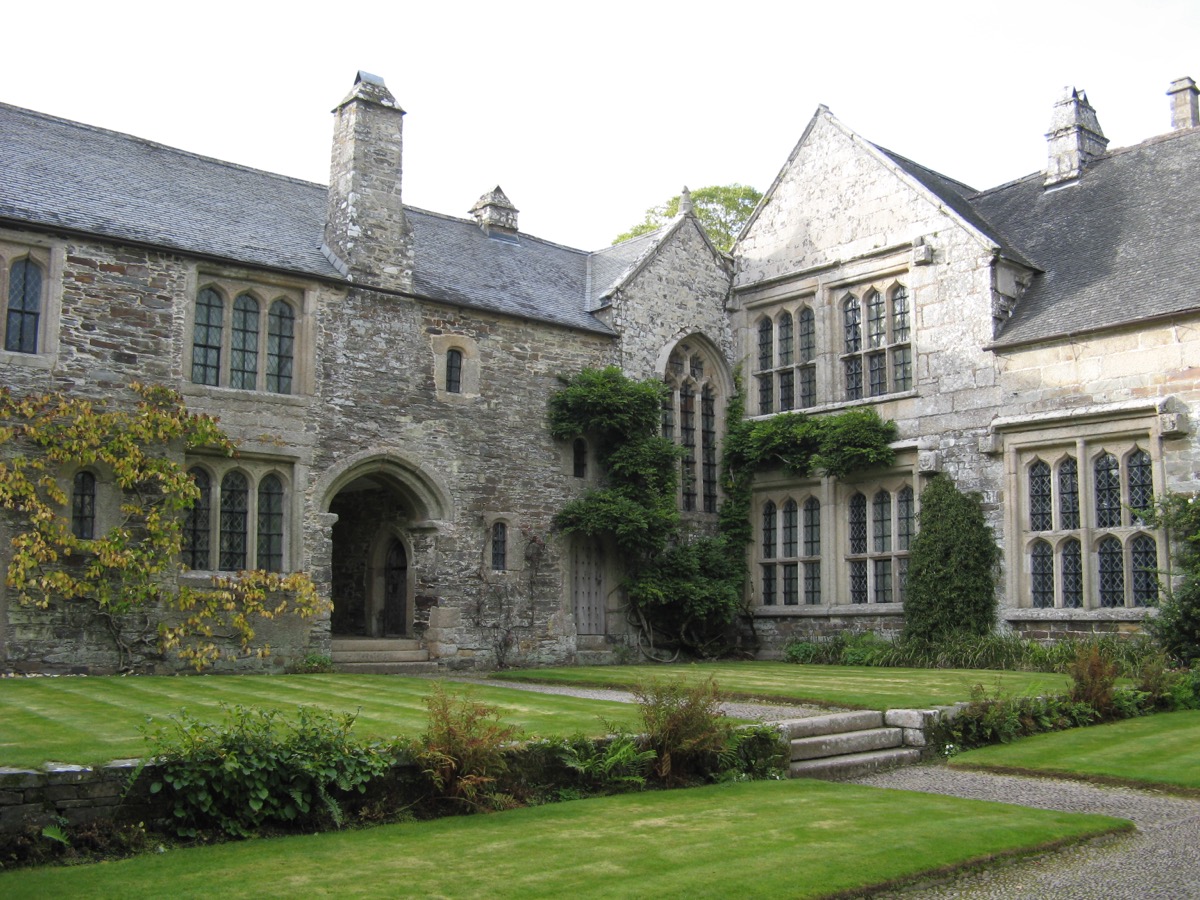
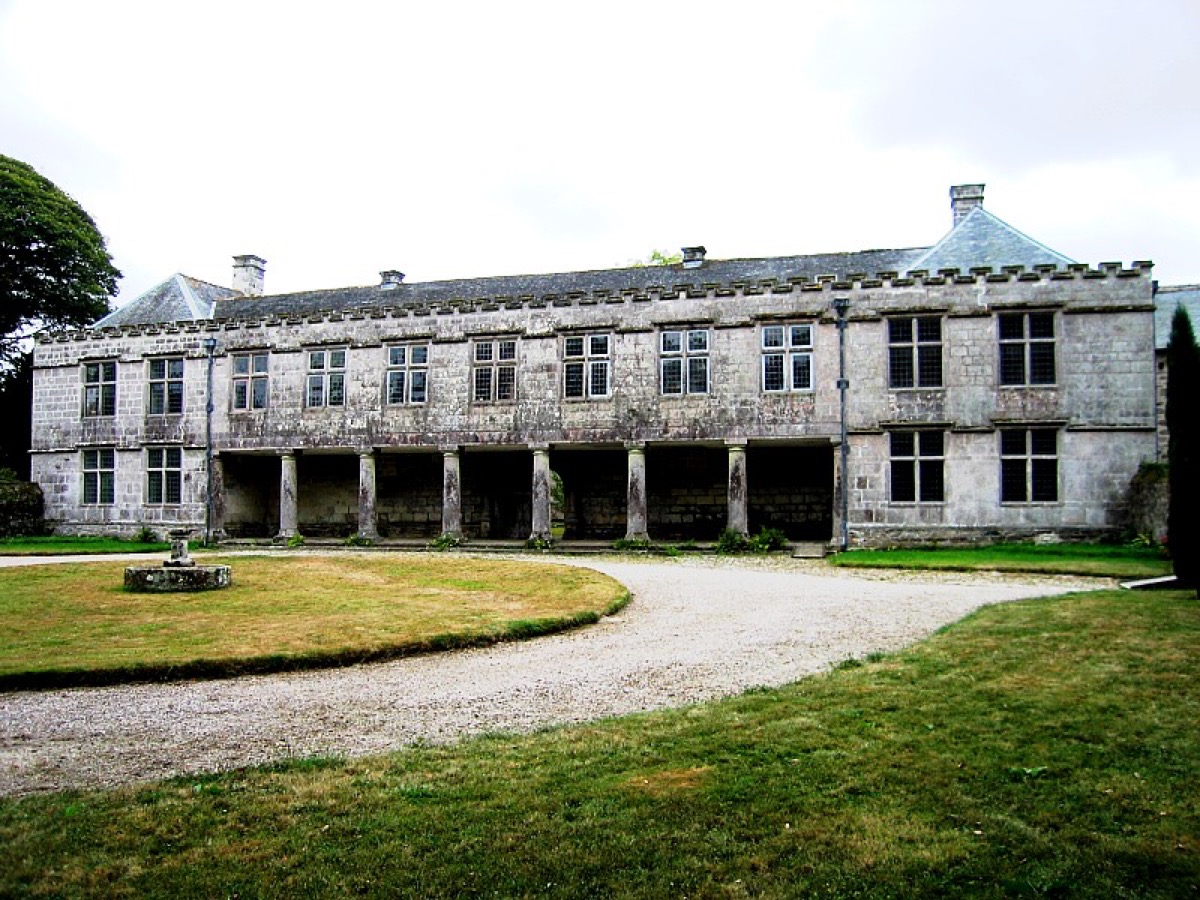
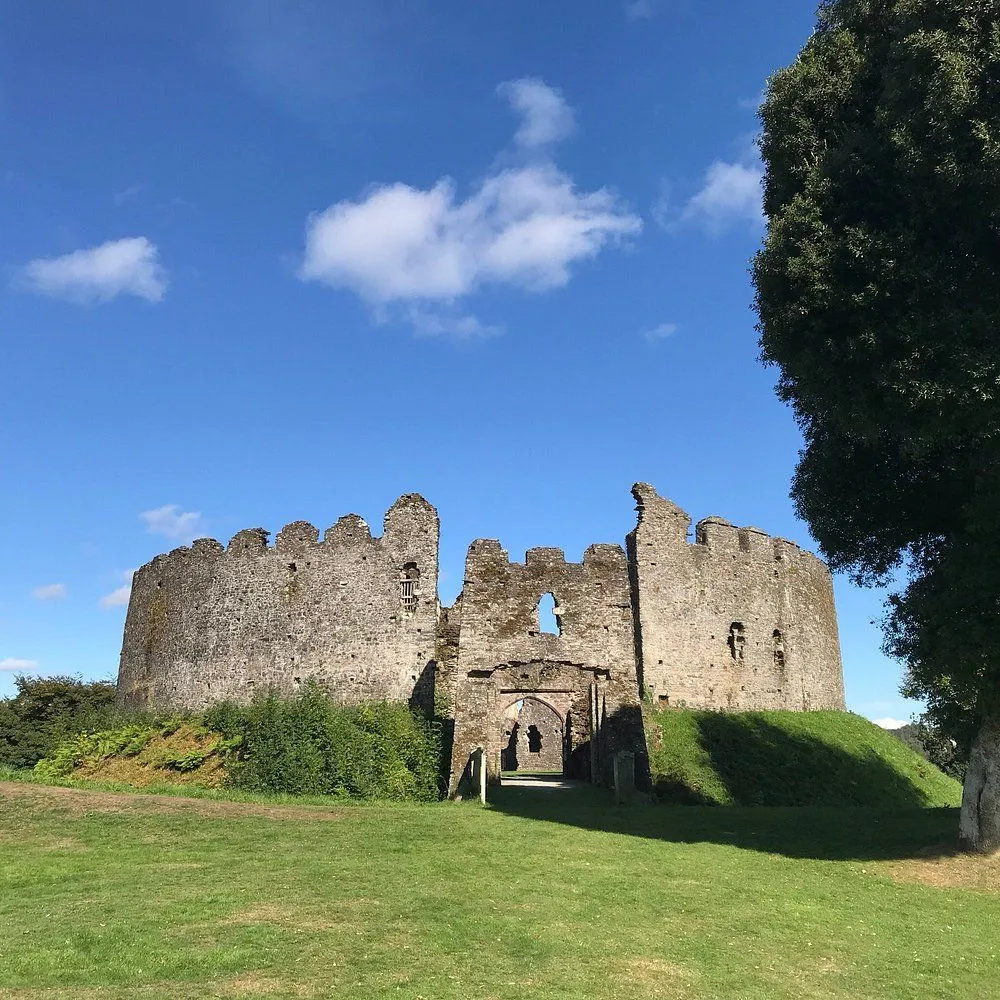
Cornwall has been fought over, mined, and built on for thousands of years. The 20 sites listed here span Iron Age hillforts, medieval castles, Tudor fortifications, Victorian country houses, and one of the most significant industrial heritage landscapes in the world.
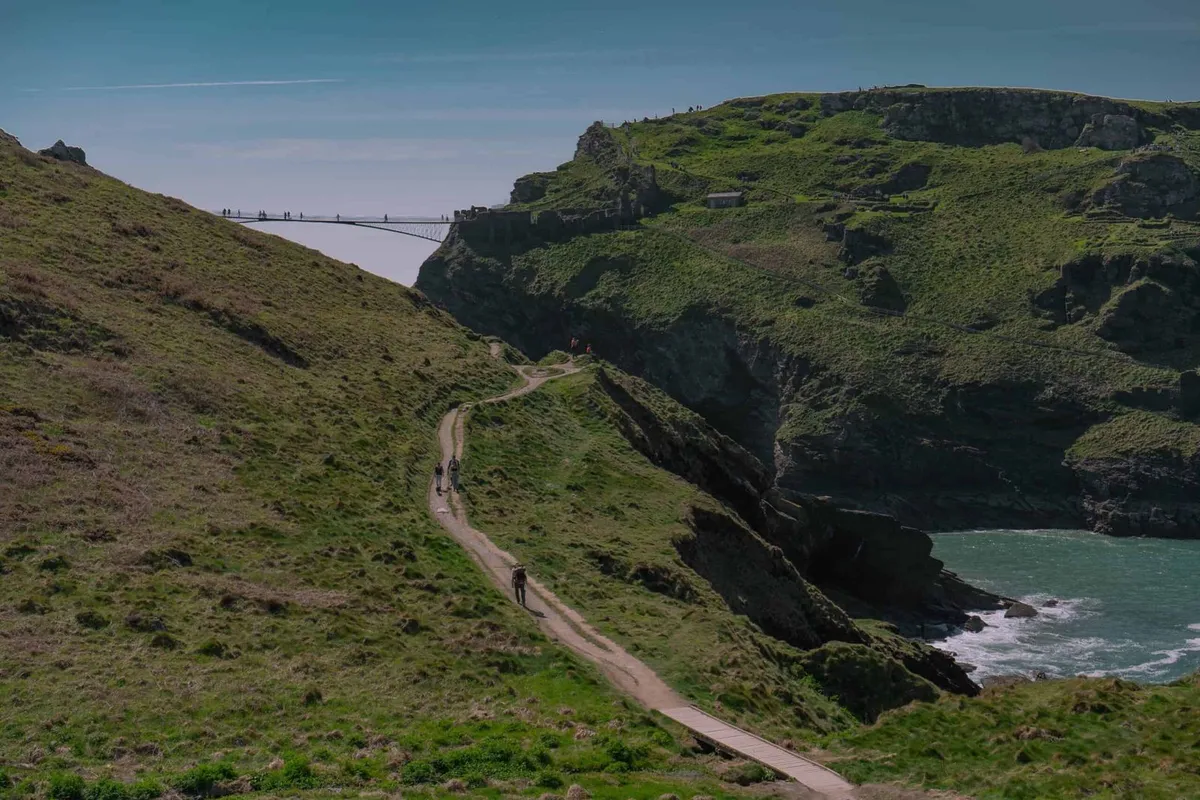
Tintagel Castle sits on a headland above the Atlantic, connected to the mainland by a modern footbridge over a 60-metre chasm. The ruins are 13th century; the archaeology goes back to the 5th and 6th centuries. English Heritage manages the site. The cliff walk and Merlin’s Cave at beach level are as much part of the visit as the castle itself.
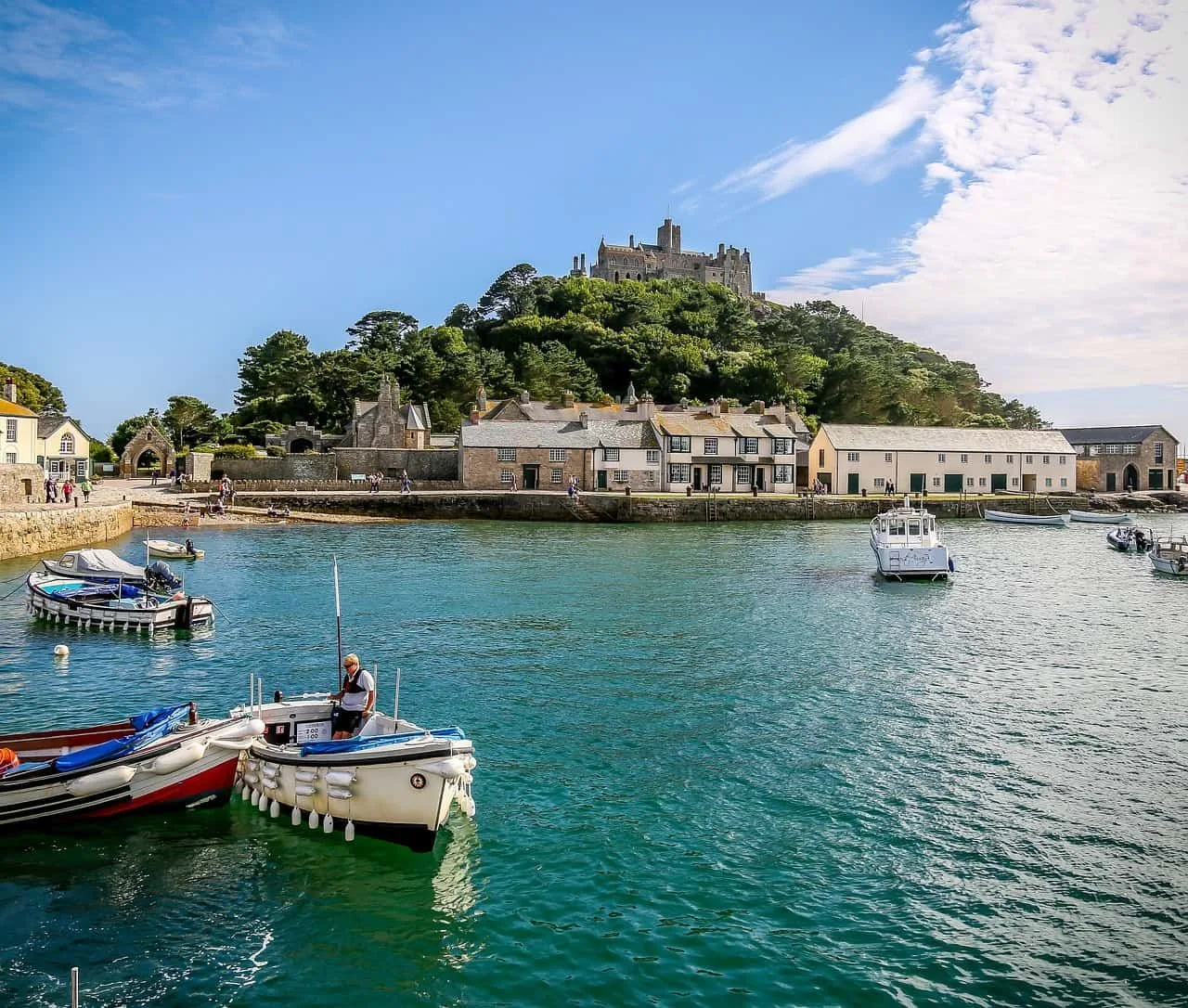
St Michael’s Mount in Mount’s Bay is a tidal island topped by a medieval castle and subtropical gardens. Walk the granite causeway at low tide or take the ferry when the water covers it. The National Trust and the St Aubyn family manage the castle jointly - both the interior rooms and the terraced gardens have separate admission.
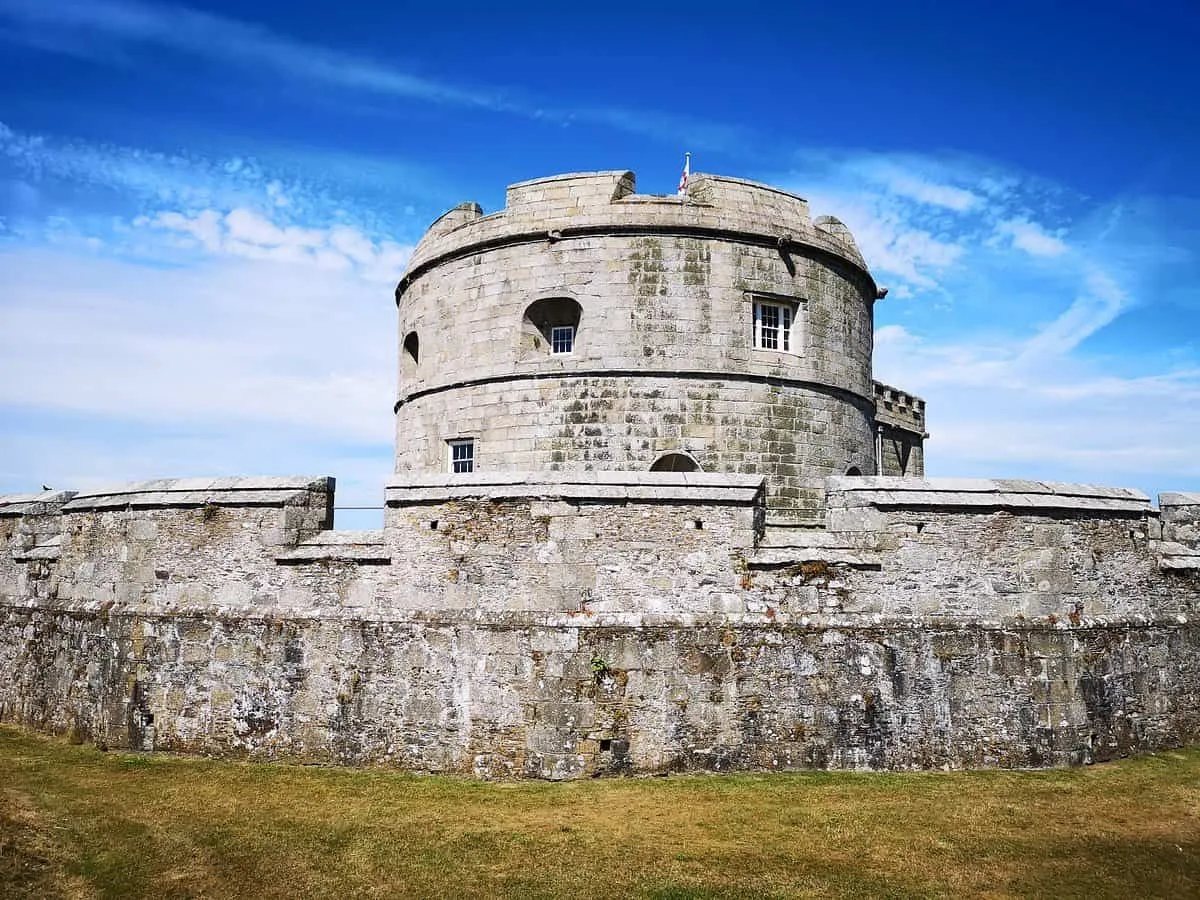
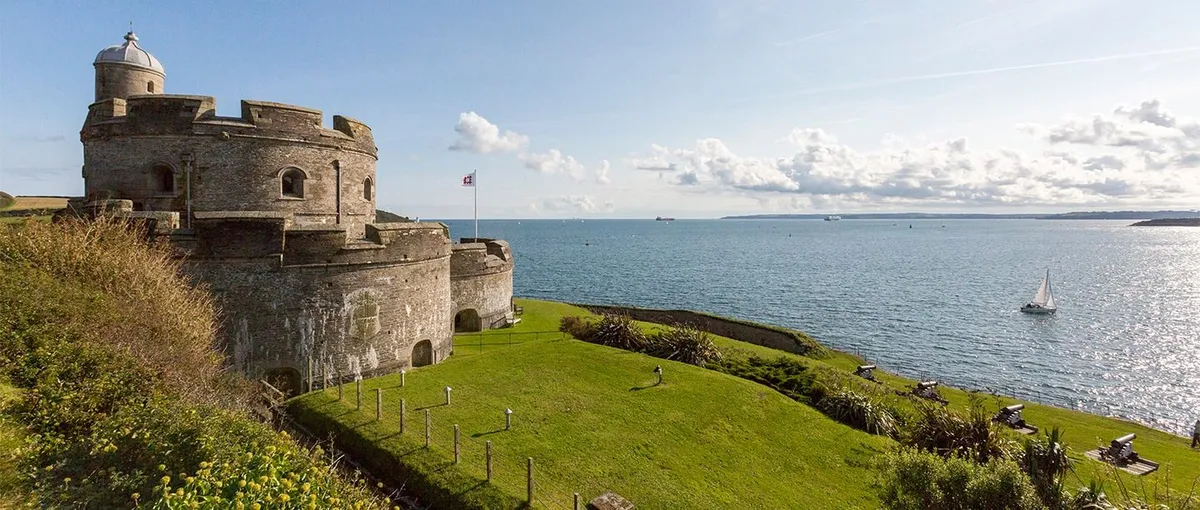
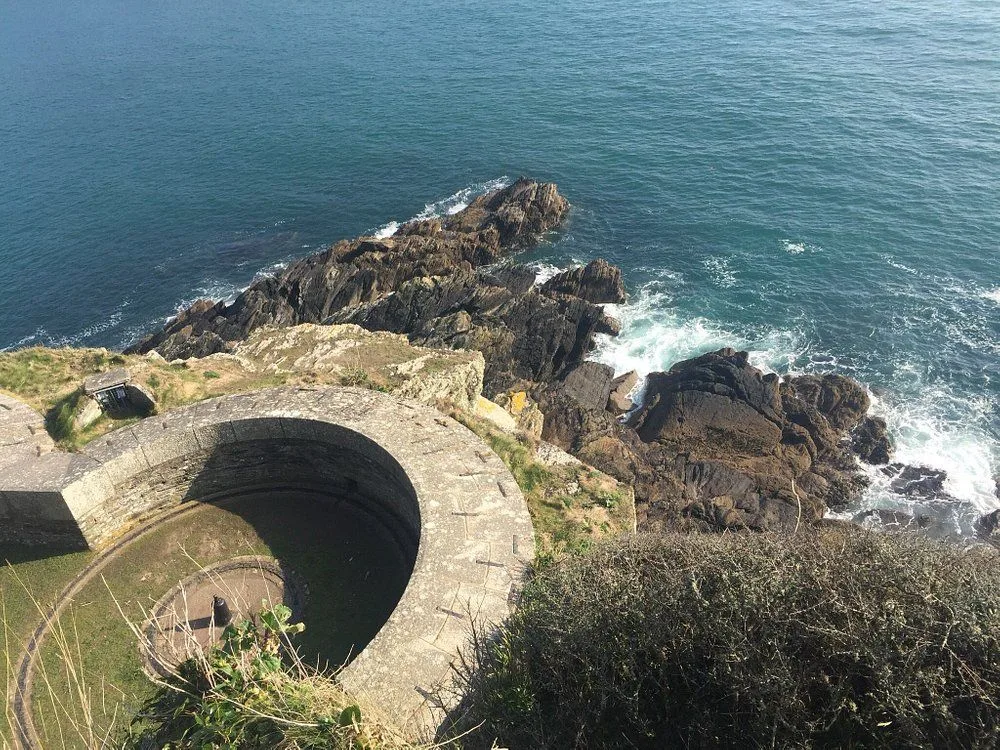
Henry VIII built a chain of coastal artillery forts in the 1540s. Pendennis Castle guards the mouth of the Fal Estuary at Falmouth; St Mawes Castle faces it from the Roseland, three miles across the water. Both are English Heritage sites with interpretation covering the Civil War and both World Wars.
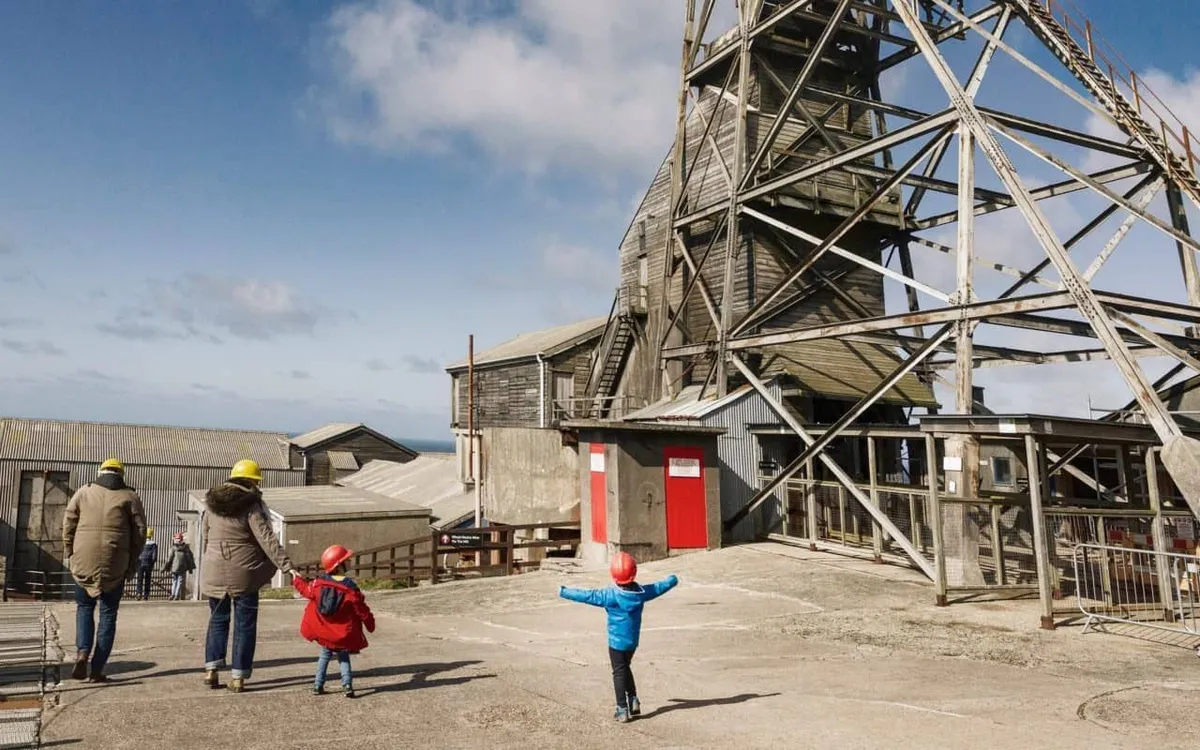
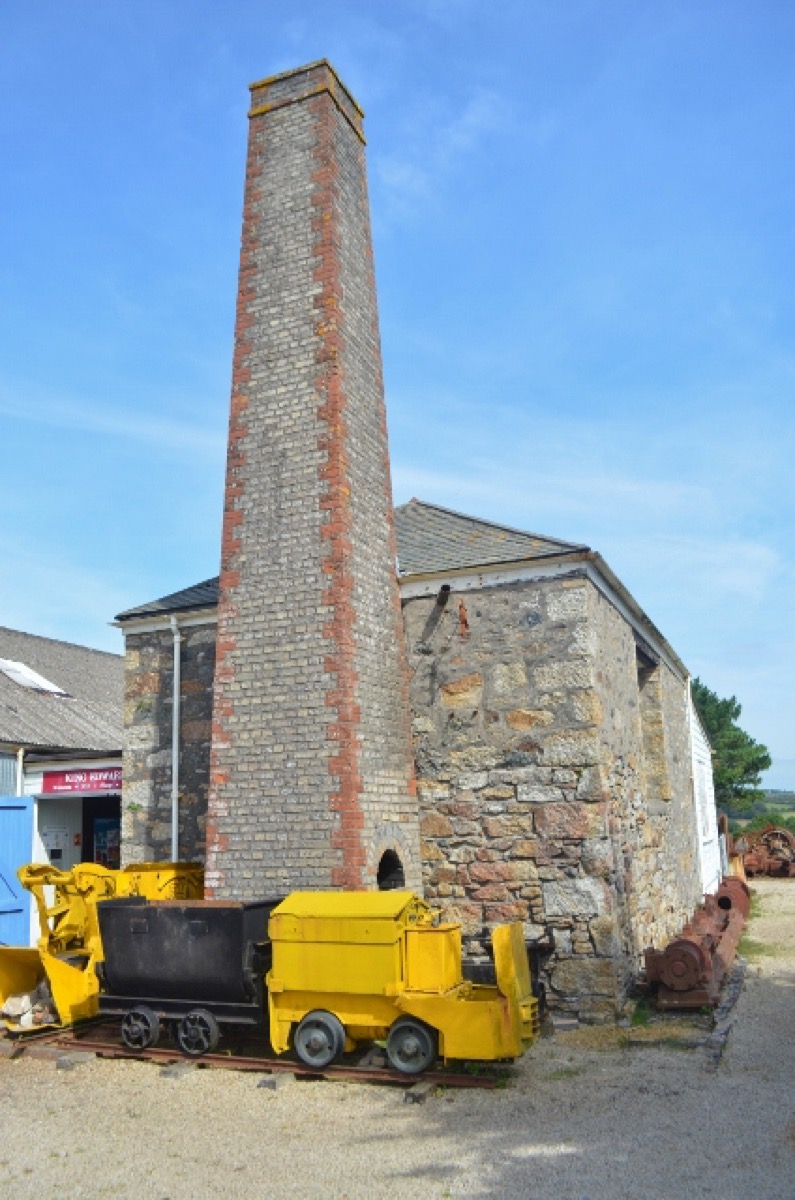
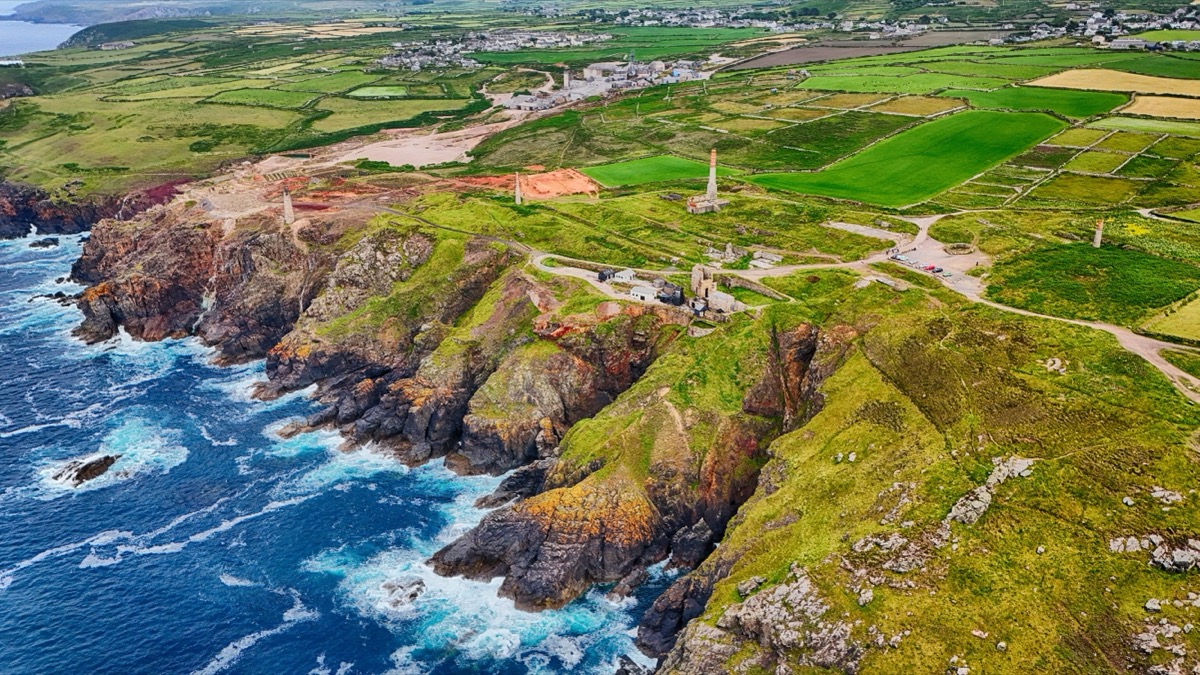
Cornwall’s mining landscape - the engine houses, chimneys, and industrial remains stretching from St Agnes to St Just - is a UNESCO World Heritage Site. Several sites in this list interpret that history directly, including the working beam engine at Levant Mine and the underground tours at Geevor and King Edward Mine.
Truro Cathedral is the only cathedral in Cornwall and the first new Anglican cathedral built in England since the Reformation, completed in 1910. Free entry. Most of the castles on this list charge English Heritage or National Trust admission; an annual membership to either pays back on a Cornwall trip.