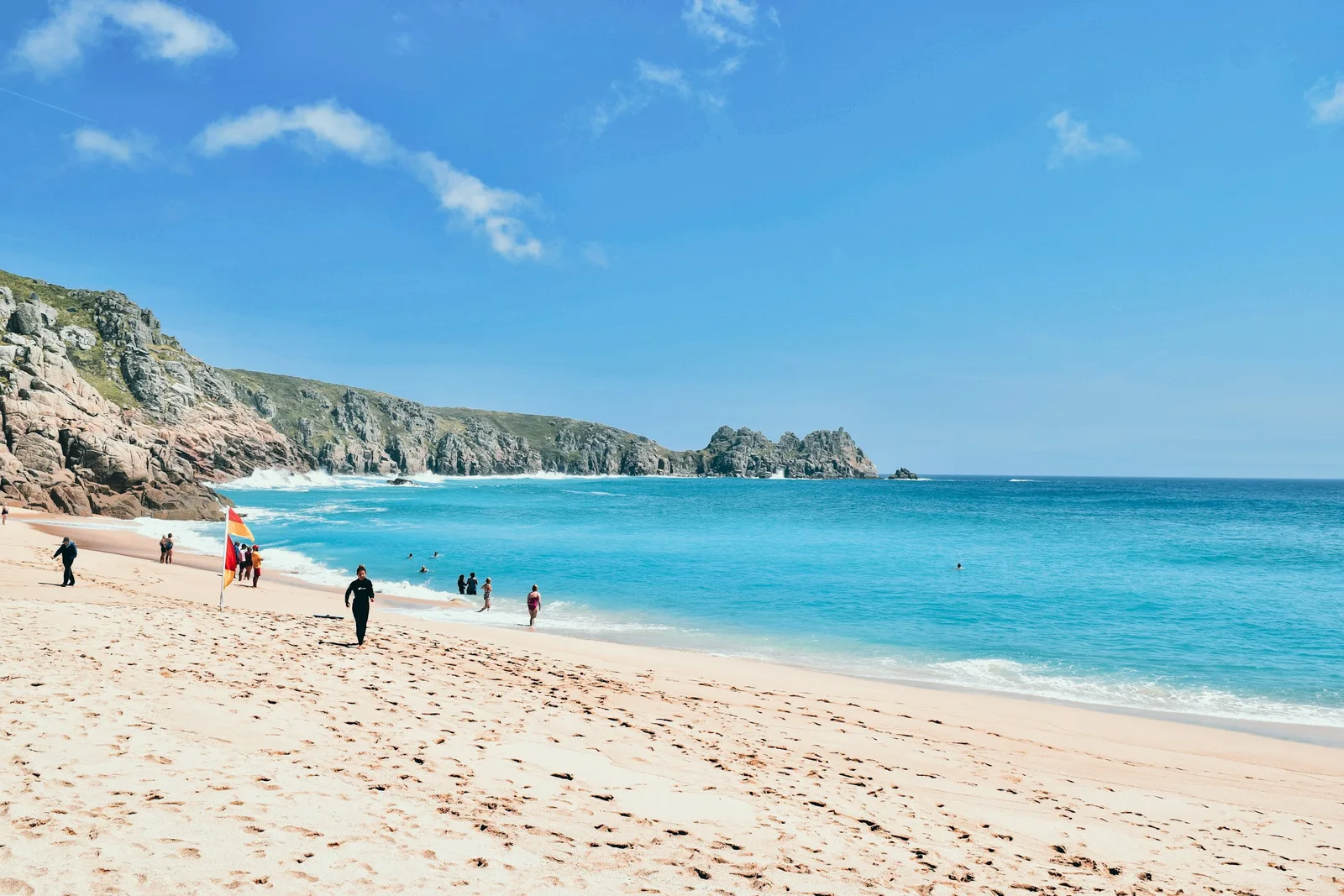
Cornwall Holidays: Your Guide to Where to Stay
Big skies, cold sea, warm pasties. Compare 5,622 Cornwall holiday cottages, hotels and holiday parks, then find your corner of Cornwall.
By region
Explore Cornwall
The north and south coasts barely feel like the same county. Pick a side first, then a town.
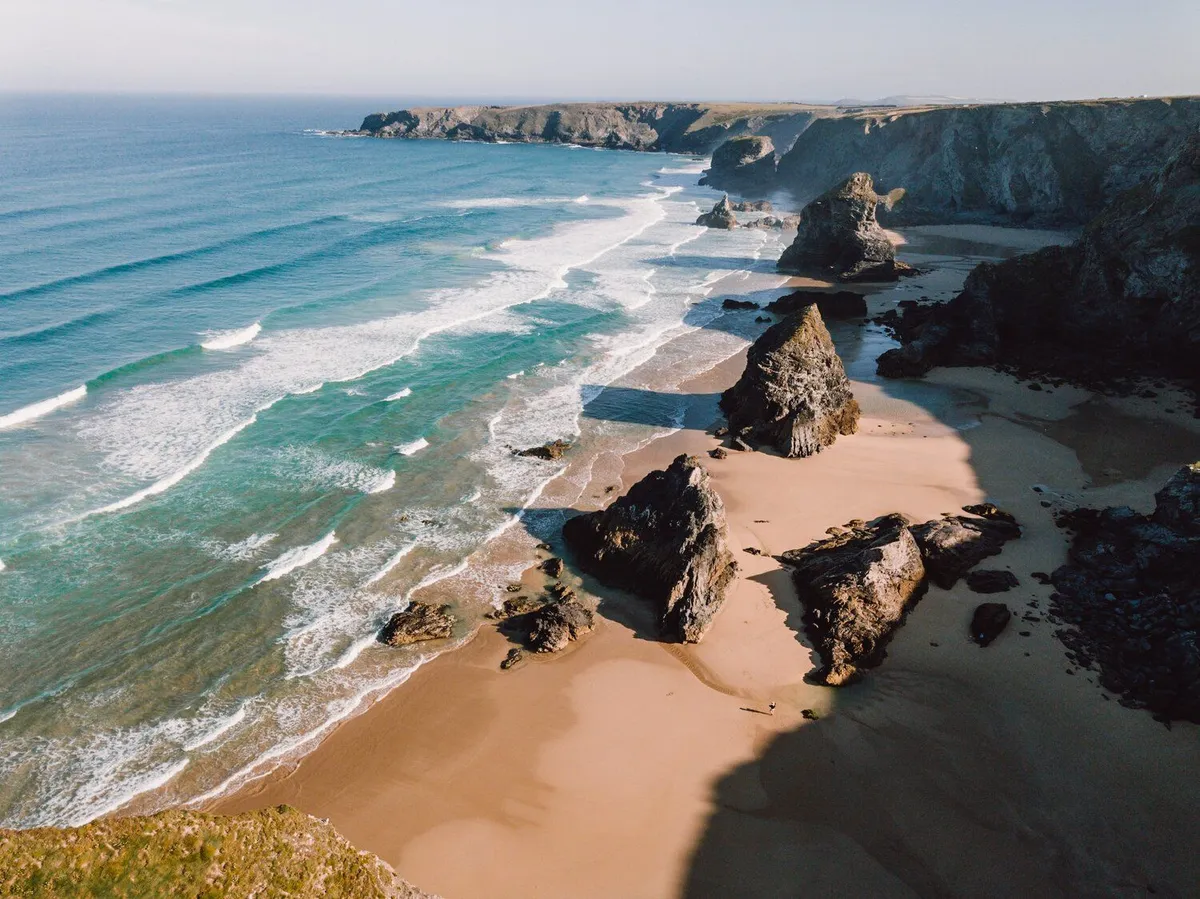
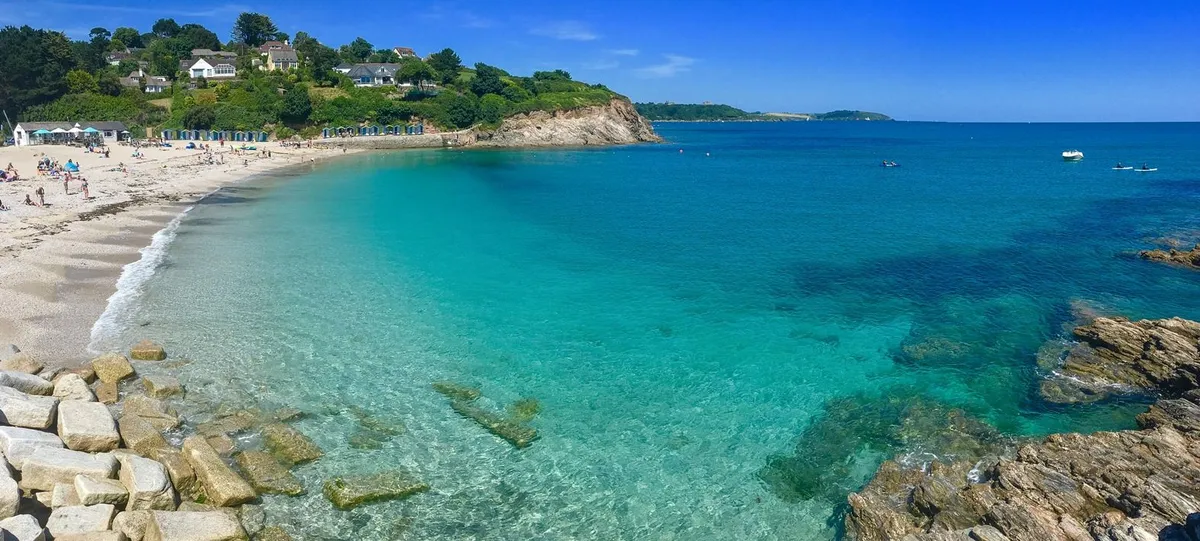
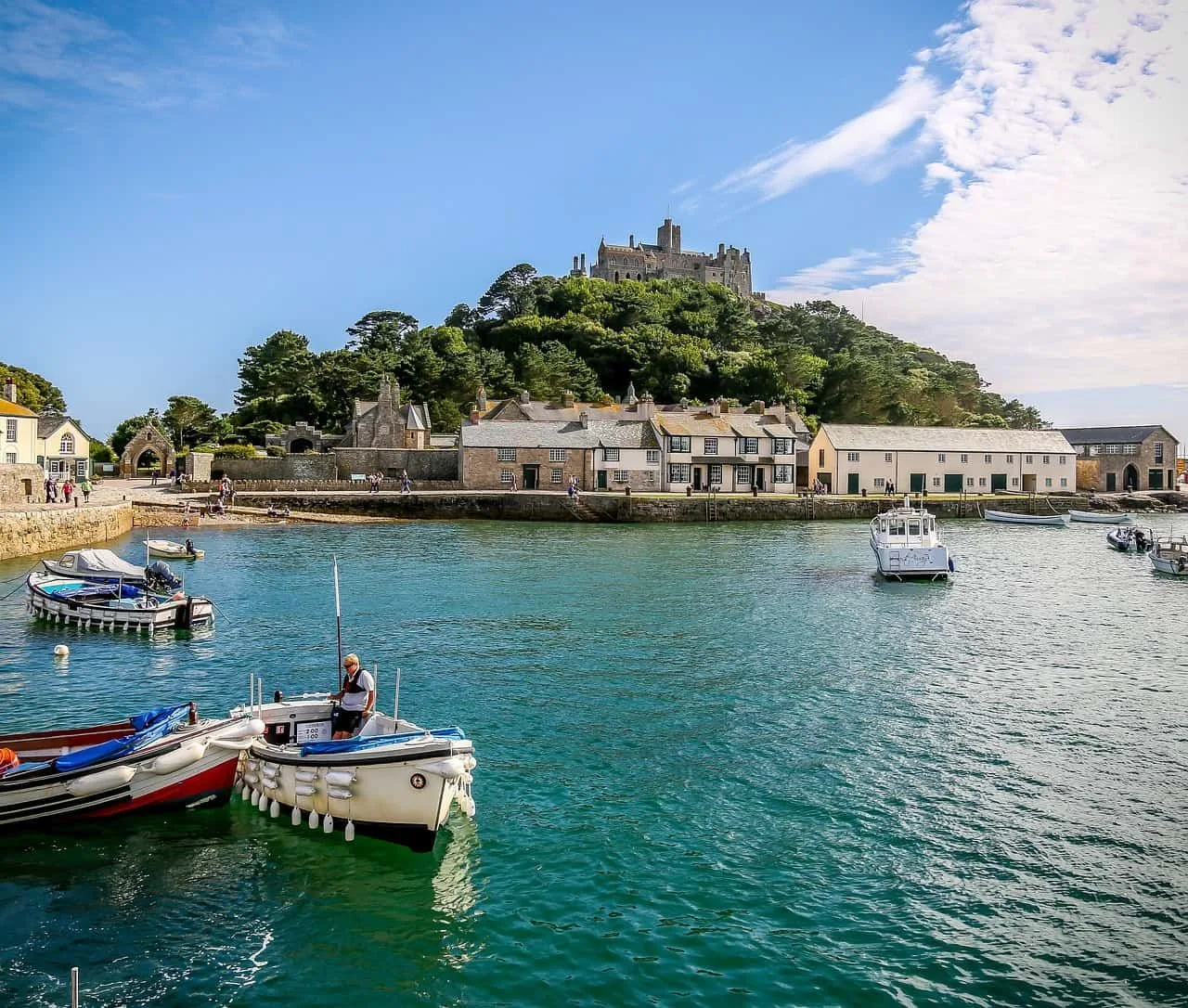
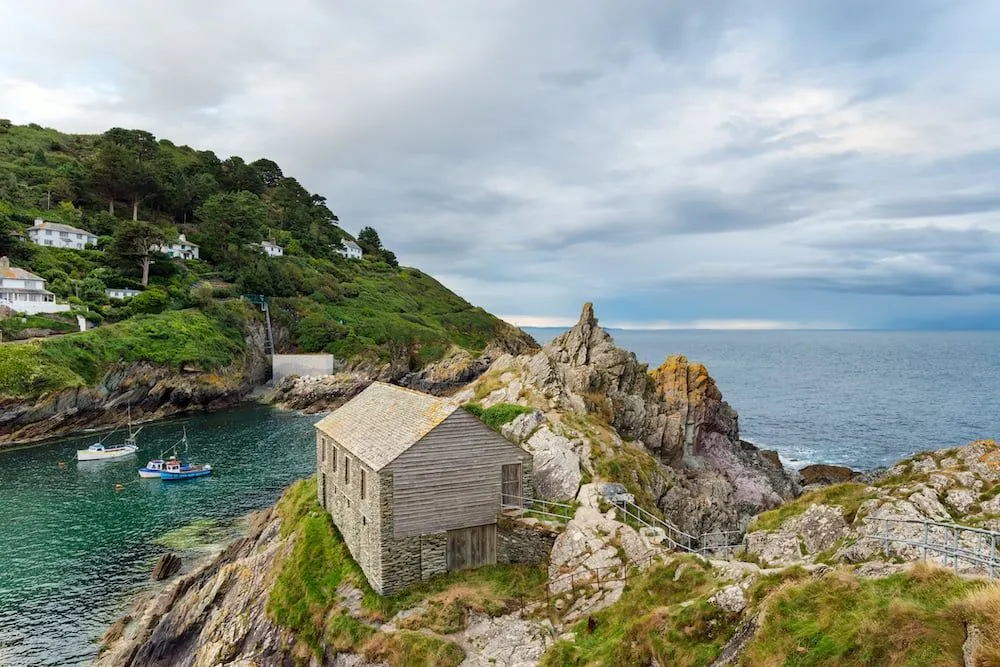

Popular towns
Where to base yourself
Get the base right and the rest of the holiday follows. These are the ones people come back for.
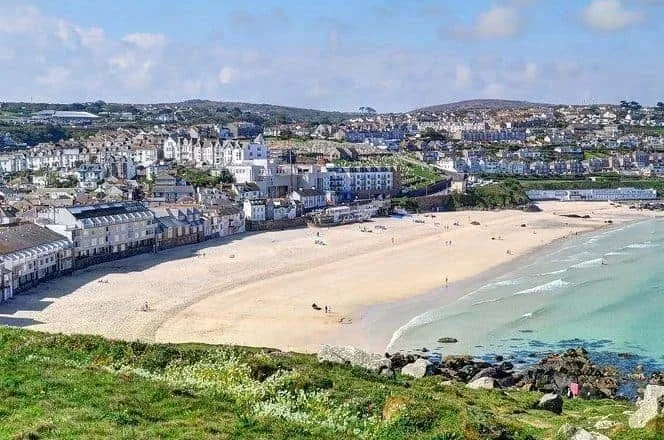
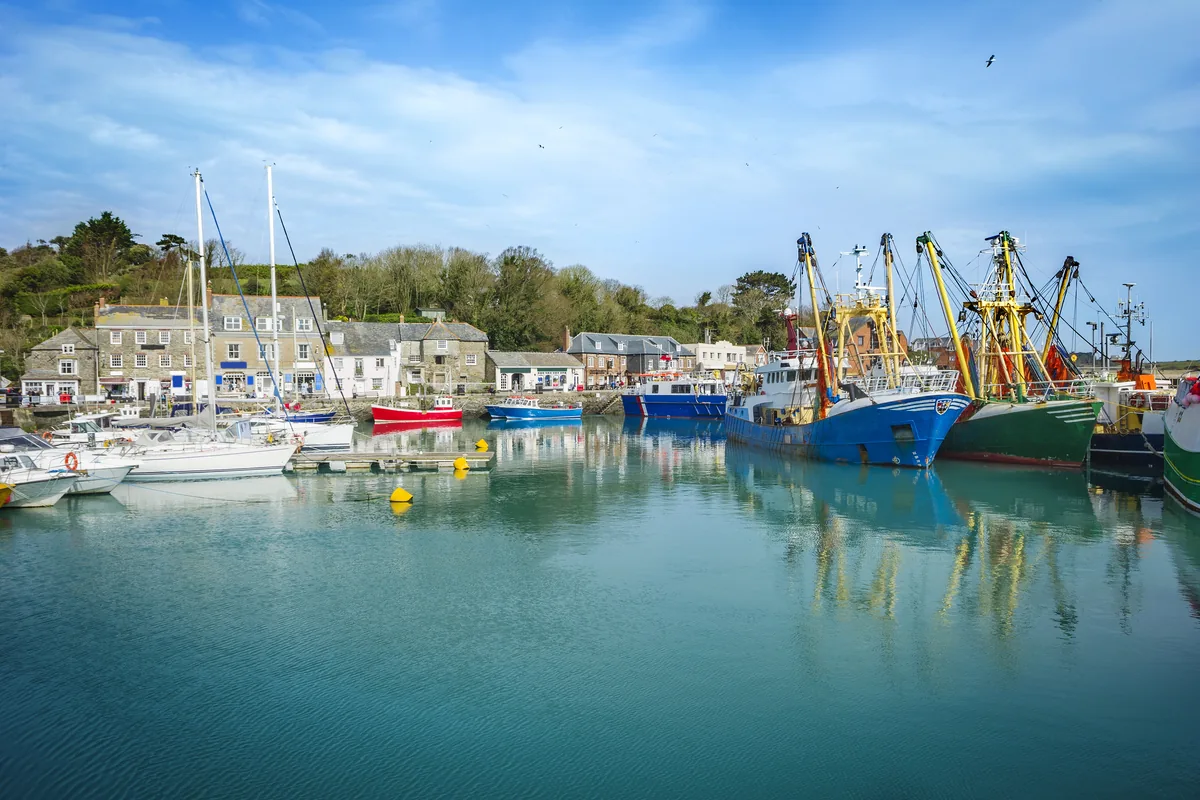
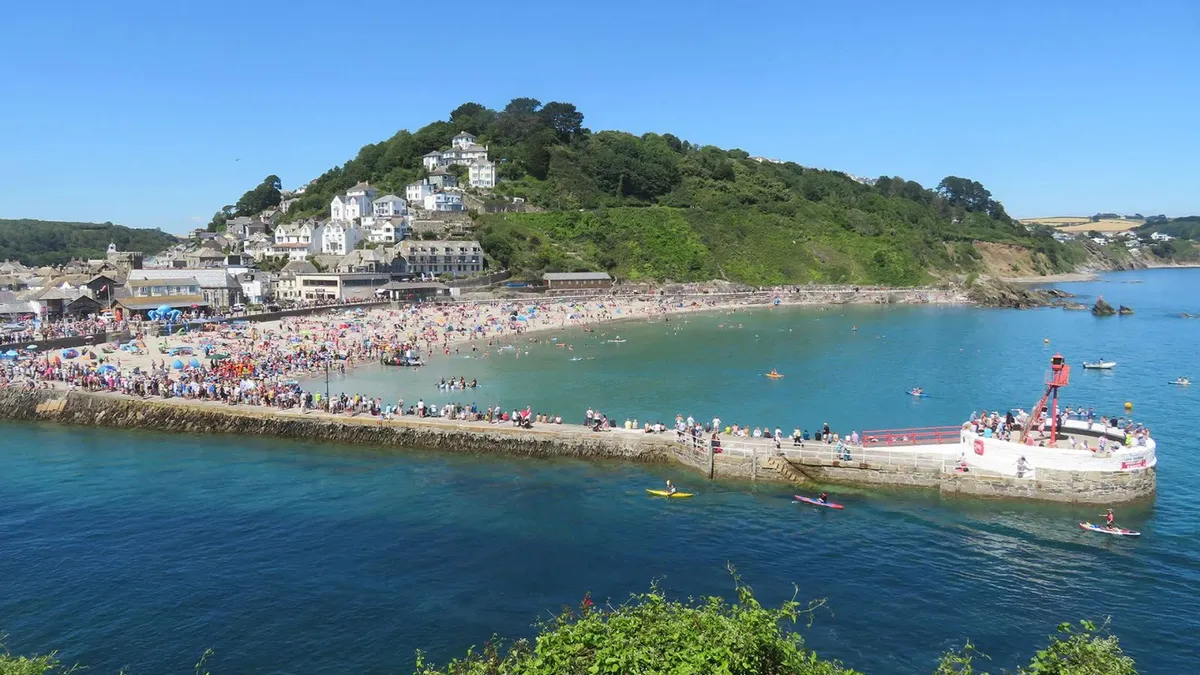
Find your stay
Holiday Ideas
Start with the one thing you won't compromise on.
Why us
Why Cornwall Holidays
Most cottage sites only show you their own. We show you everyone's.
Nine agencies, one search
We gather properties from all the major holiday agencies and show them in one place. One search here does the work of nine.
No pay-for-placement
Ranking isn't for sale. We order properties by guest rating - 208,000 reviews and counting - fit, and our own judgement, never by who pays the most commission. We earn when you book, not when we feature.
A guide, not just listings
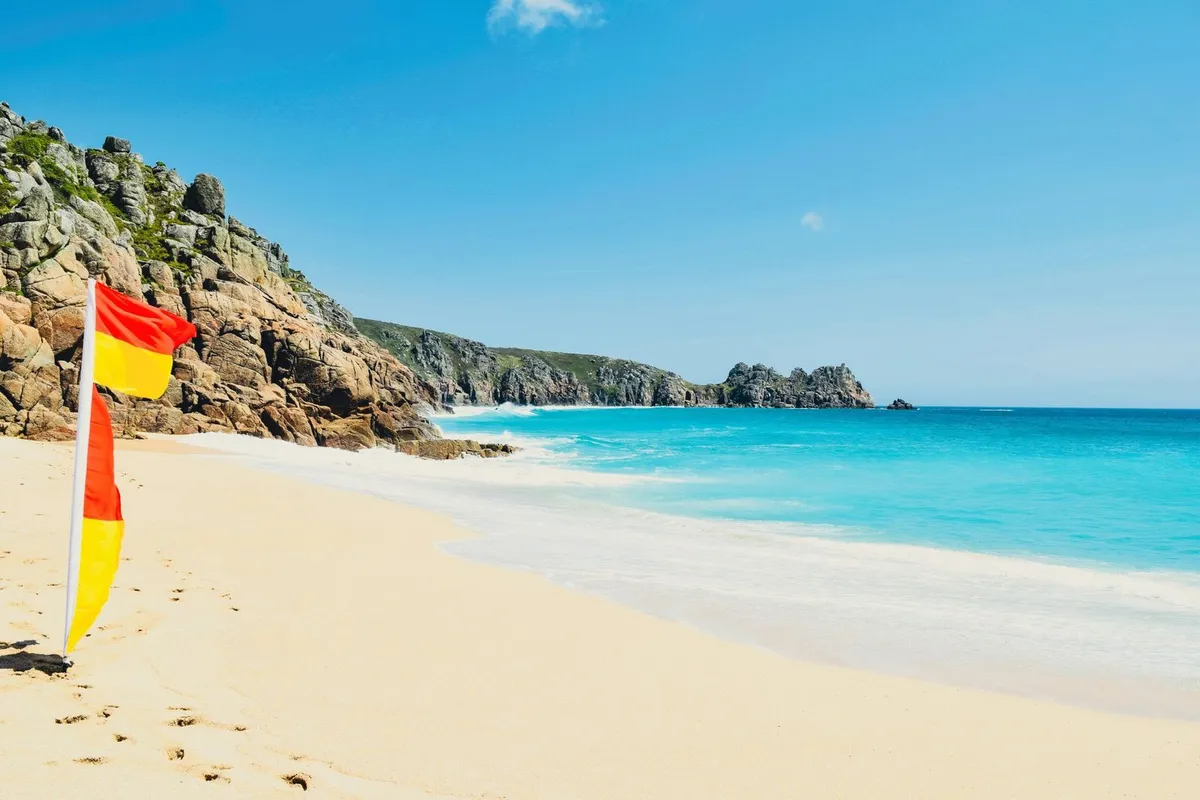
More than 100 beaches and 160 attractions, each with the practical detail agencies skip: seasonal dog bans, lifeguard cover, parking, and an honest line on the swimming. The unglamorous ones stay listed too.
Hand-picked
Featured Stays
A handful we'd happily book ourselves.
Coming up · 2 Nov
Cornwall Film Festival 2026
Falmouth
The coast
Cornwall's Beaches
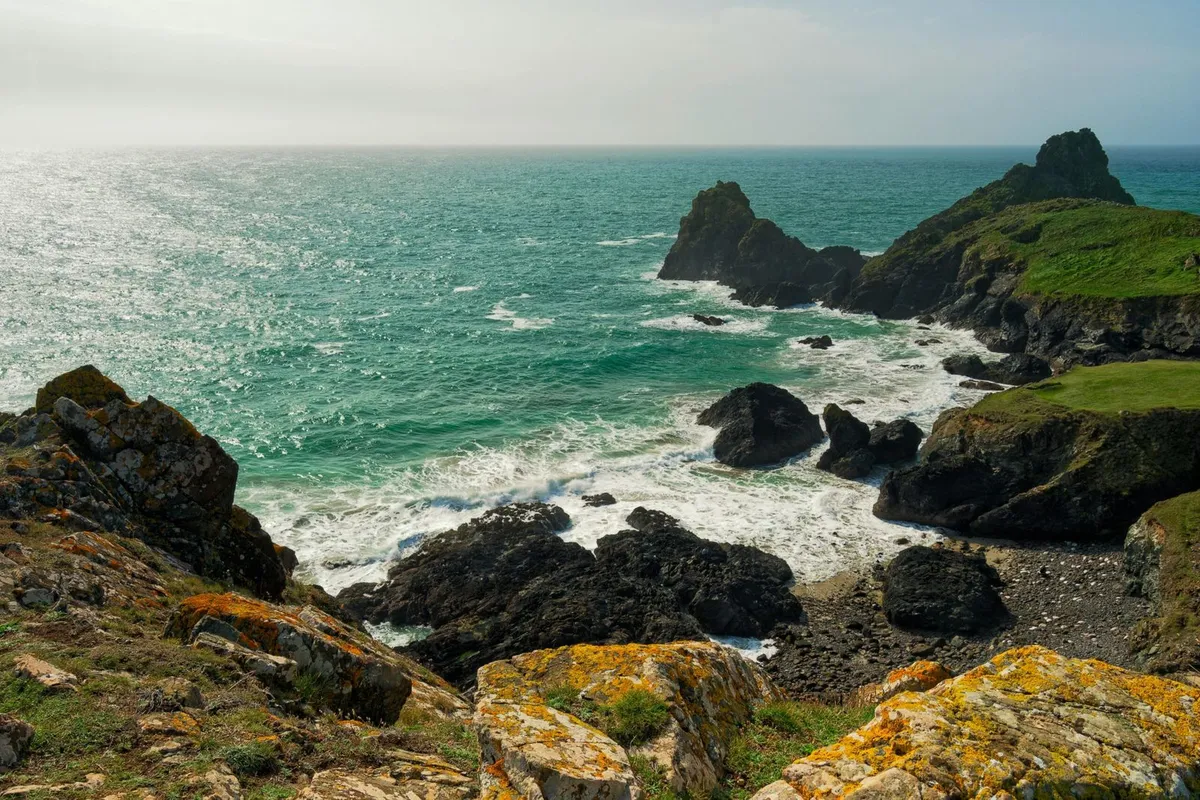
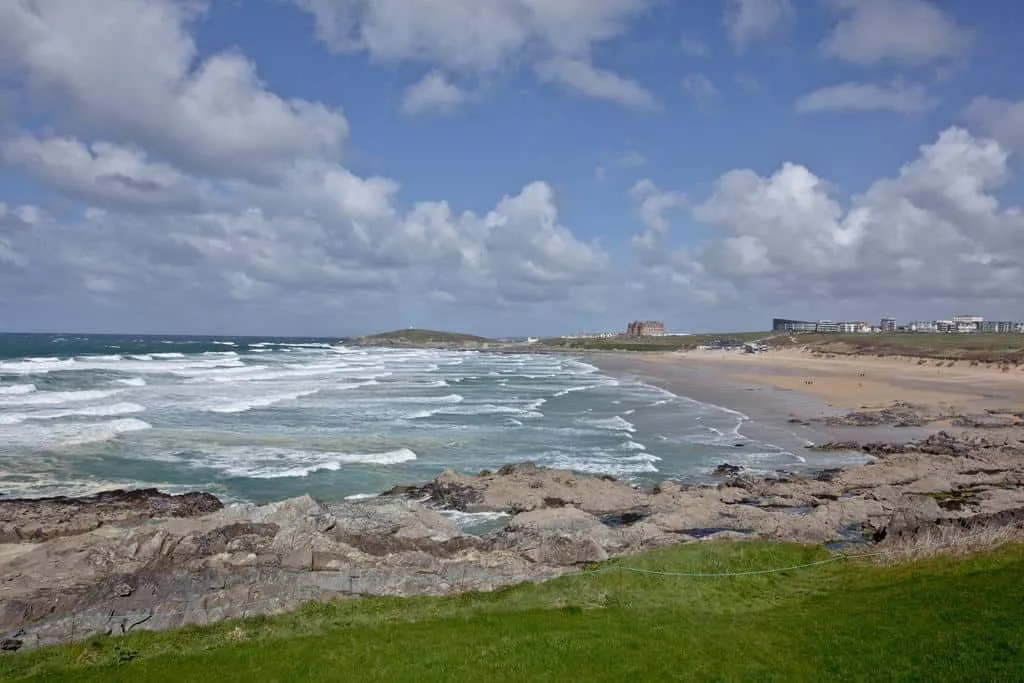
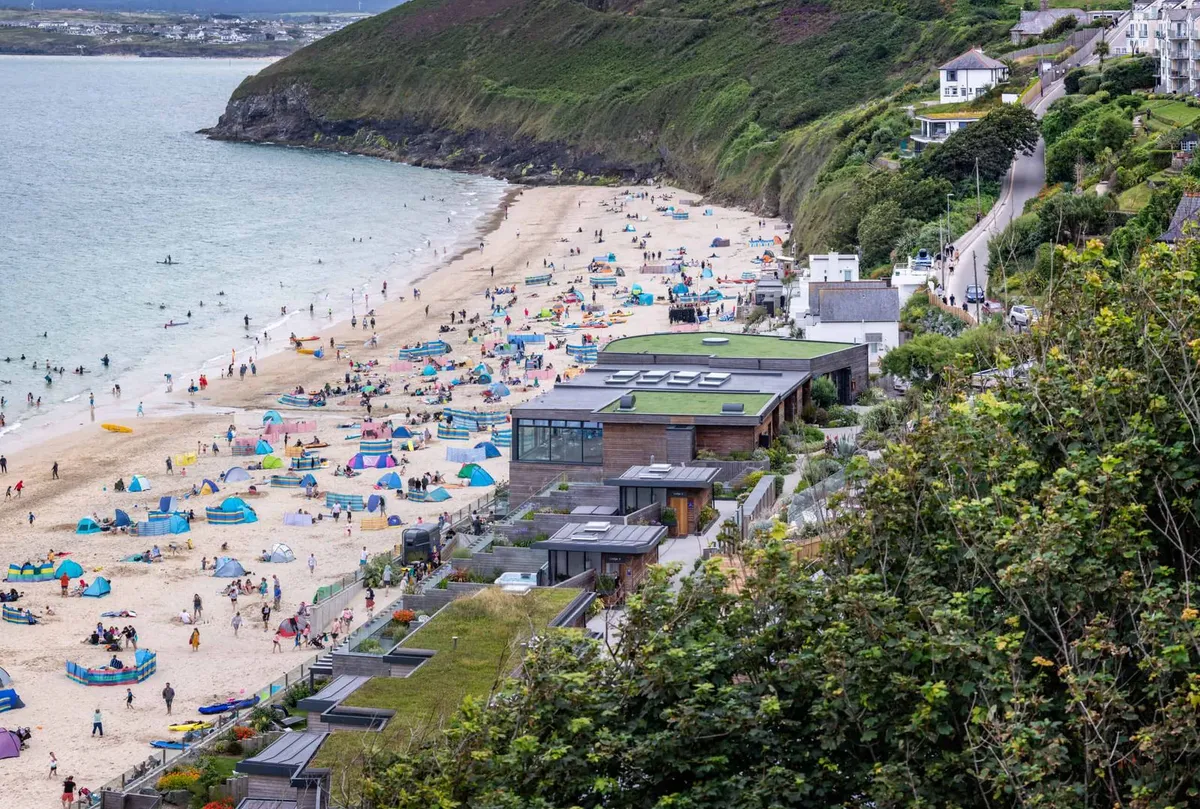
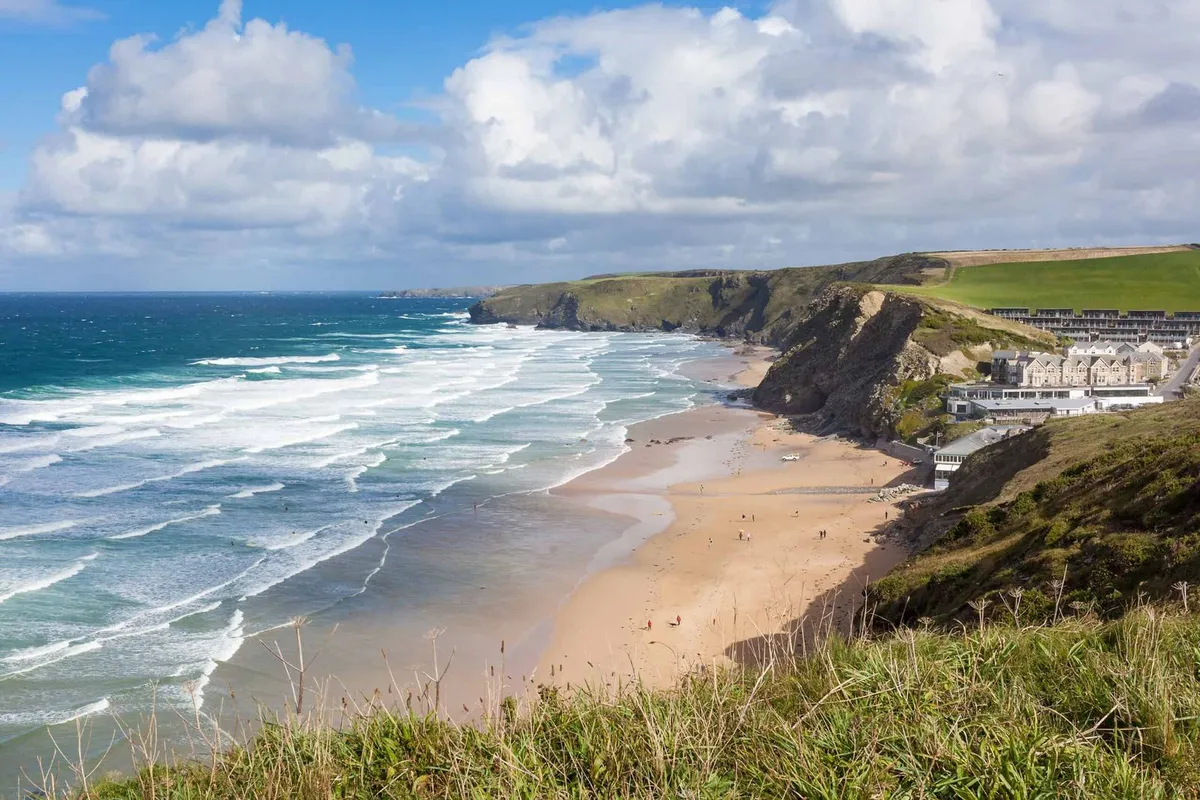
Some you walk to from the pub, some you have to earn. These are the ones worth it.
Days out
Things to Do
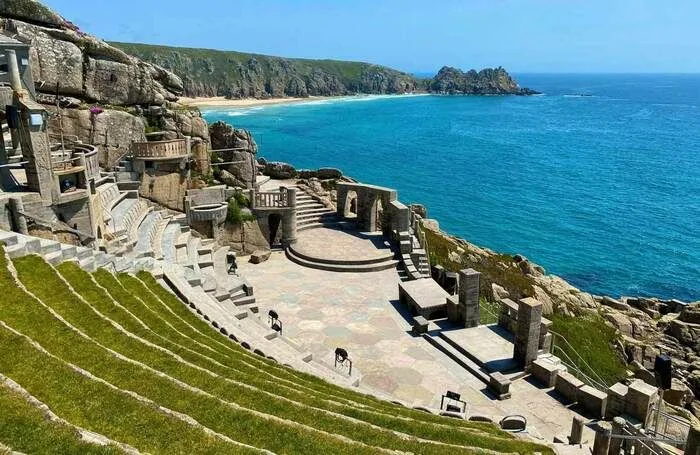
What to do when the weather turns - and when it doesn't.


The calendar
What's On in Cornwall
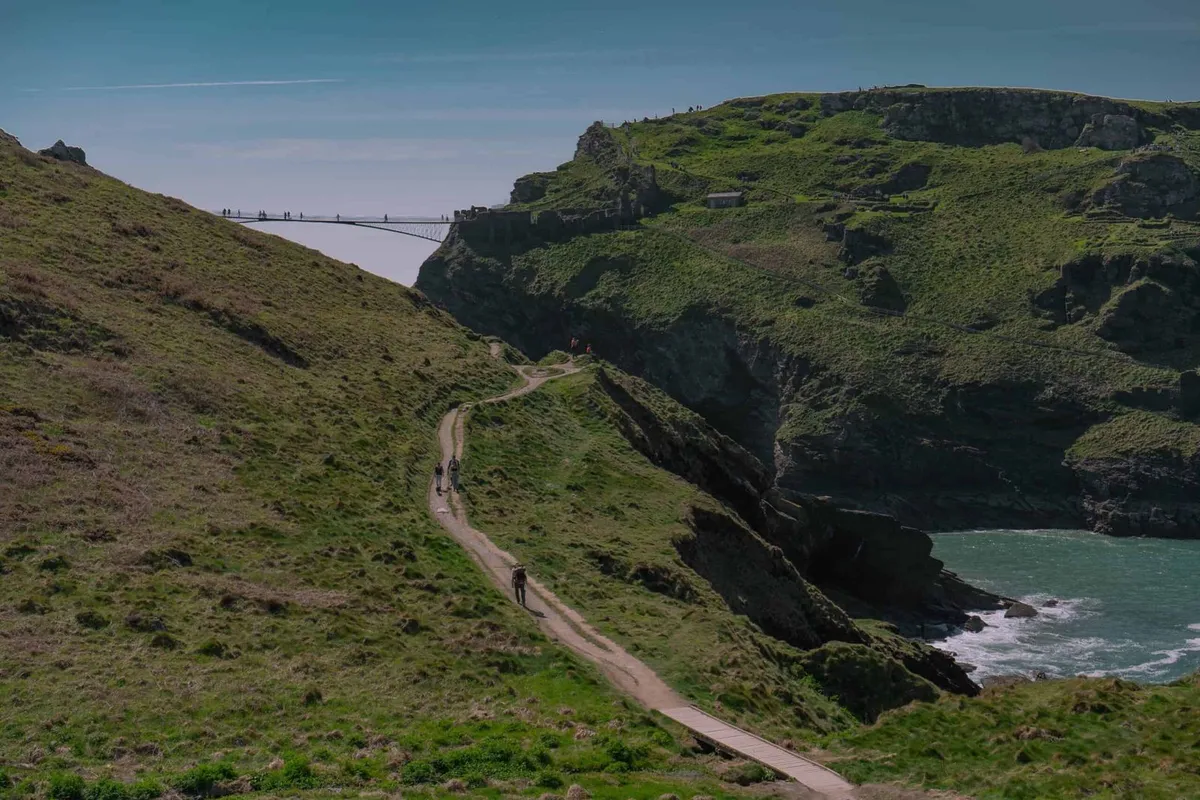
Worth building a trip around. Or just catching while you're here.
Local knowledge
Cornwall Guides
Longer reads, written like we're telling a friend where to go.
Best Cottages in Cornwall for 2026
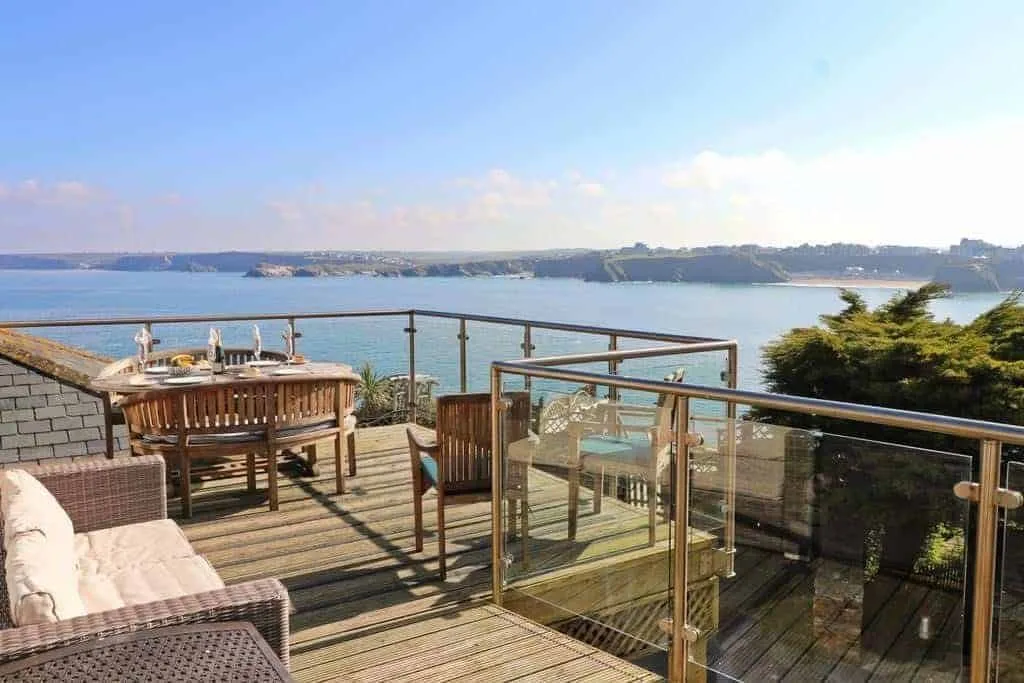
A practical guide to Cornwall's best holiday cottages - from coastal boltholes to large group houses. Covers areas, types, booking tips, and what to look for.
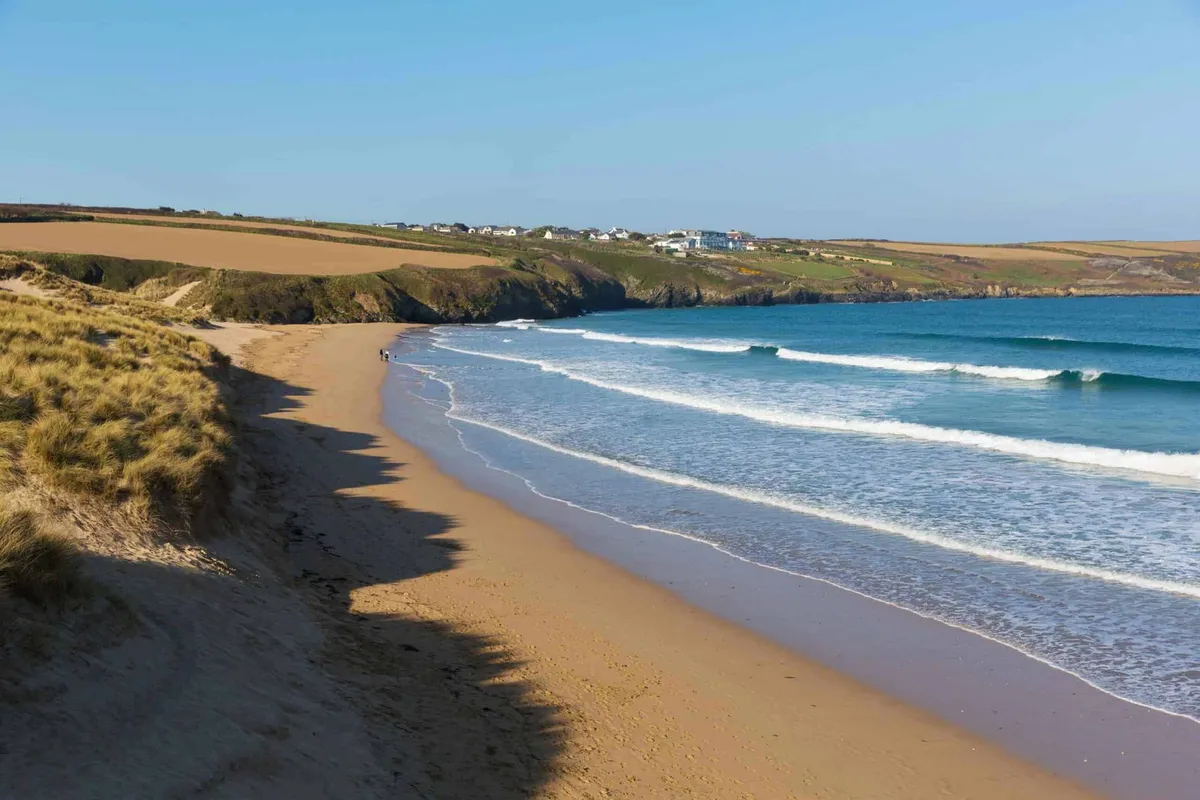
Cornwall in Spring
April to June is Cornwall at its best - wildflower coast paths, warm gardens, quieter beaches, and lower prices. Here's what to expect and how to plan.
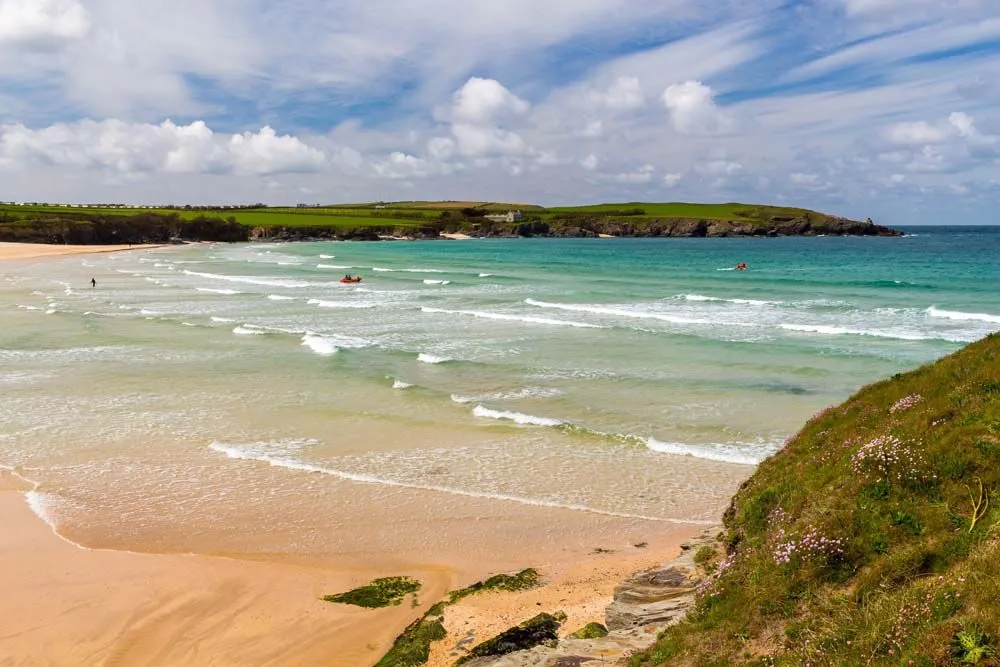
Things to Do with Kids in Cornwall
Cornwall family guide with beaches, wildlife, adventure activities, castles and rainy day options - practical tips from prices to age suitability.
Frequently asked questions
Quick answers to the questions we hear most often.
When is the best time to visit Cornwall?
May, June, and September are the best months for visiting Cornwall. School holidays in July and August bring higher prices and busy beaches - particularly on the north coast around Newquay and Fistral. May and early June offer warm weather, uncrowded beaches, and the full programme of spring events including Flora Day in Helston and the Padstow Obby Oss. September brings warm sea temperatures after a full summer and significantly quieter roads.
How many days do you need in Cornwall?
A week is the minimum to cover Cornwall properly. The county is larger than most visitors expect - driving from Bude in the north to Land's End takes around 2 hours without stops, and the roads are slow. A week allows three or four base locations with day trips. Two weeks allows a proper circuit of both coasts plus inland areas including Bodmin Moor and the Tamar Valley. Many visitors return annually and focus on a single area rather than trying to cover everything.
Where are the best places to stay in Cornwall?
The best base depends on what you want from the holiday. St Ives suits beach lovers and gallery visitors - six beaches within walking distance plus the Tate St Ives. Padstow is the food capital, with Rick Stein's restaurants and the Camel Trail cycle path. Falmouth combines beaches with a working harbour town and proximity to the Helford River. Rock and Polzeath are popular with families for their surf beaches. Looe and Fowey on the south coast offer sheltered harbours and calmer seas. For walking, stay near the north coast path between Tintagel and Port Isaac.
How much does a holiday cottage in Cornwall cost?
A 2-bedroom cottage in Cornwall starts from around £400-600 per week in low season (October to March) and £800-1,500 per week in peak summer (July to August). Larger properties sleeping 6-8 range from £700-2,000 per week depending on location and season. Properties in St Ives, Rock, and Padstow command premium prices. Dog-friendly cottages and those with hot tubs are typically 10-20% more. Check live dates and book with the listing agency.
How far in advance should I book a Cornwall holiday?
For July and August, book 6 to 9 months ahead. The most in-demand cottages in St Ives, Rock, and Padstow sell out by January for the following summer. May, June, and September can usually be booked 2 to 3 months out. Winter and shoulder-season weeks are often available with two weeks notice and frequently come with 20-40% discounts. Bank holiday weekends and half-terms book up faster than the surrounding weeks.
Do I need a car for a Cornwall holiday?
A car helps for most parts of Cornwall, but not all. If you base yourself in St Ives, Falmouth, Penzance, or Newquay, you can manage on foot, bus, and train for most of the trip. Rural cottages, the Lizard, the Roseland, and Bodmin Moor are difficult without a car - bus services are infrequent and stop early. Taxis between villages are expensive. If you do drive, expect narrow lanes, slow average speeds, and limited parking in coastal villages during peak season.
A practical guide to Cornwall holidays
Cornwall splits cleanly into two coasts. The north is exposed Atlantic - surf breaks at Fistral, Polzeath and Watergate Bay; fishing villages like Padstow and Port Isaac; and the UNESCO mining heritage around St Agnes. The south is sheltered, with softer sands, river estuaries and sailing towns - Fowey, Falmouth, Looe and the Roseland. Water temperatures on the south coast run a degree or two warmer by August, which matters with small children. Most visitors pick a side; the county is too spread out to split a week between the two without a lot of driving.
May, June and September are the best-value weeks. Sea temperatures peak in mid-September after three months of summer warming, the crowds have dropped, and prices fall 20-40% against peak August. Half-term and bank holiday weeks fill early - book six months ahead for Easter, October half-term or Christmas. Winter trips suit storm-watchers and dog walkers: the coast is empty, cottages are cheap, and most major attractions including the Eden Project and Tate St Ives stay open year-round.
A car makes the rural parts of Cornwall work. If you want to reach Kynance Cove on the Lizard, the Helford River, the Roseland or Bodmin Moor without a long wait at a bus stop, you need one. The alternative is basing yourself in a town on the mainline - Penzance, Truro, St Ives, Falmouth or Newquay - and using the branch lines, ferries and a few taxis. The St Ives branch line from St Erth is one of the more scenic rail rides in the UK.
Pick the base, then pick the cottage - not the other way around. St Ives suits beach and gallery lovers: six beaches within walking distance, the Tate, and a food scene that's grown past its tourist-town roots. Padstow is for food - Rick Stein opened his first restaurant here in 1975, and Paul Ainsworth holds a Michelin star at No. 6. Falmouth blends a working harbour with university energy and access to the Helford. Looe and Fowey are calmer south coast harbour towns. For walking, Tintagel to Port Isaac on the north coast path is hard to beat.
Ready to book your Cornwall holiday?
Browse 5,622+ properties across 249 Cornish towns. Find a cottage, hotel or seaside apartment with no pay-for-placement.
4.6 average · 208k+ guest reviews · No booking fees · No pay-for-placement