Cornwall has some of the best camping in England — proper coastal camping where you wake up to the sound of waves rather than a motorway. Whether you want a basic tent pitch on a clifftop, a shepherd’s hut with a wood burner, or a yurt with a hot tub, the county covers the full range.
This guide covers the campsites and glamping sites worth knowing about, with honest takes on each. We’ve included practical booking advice at the end, because Cornwall in August rewards those who plan ahead.
Traditional Campsites
These are the tent-and-touring sites — the kind of camping where you pitch your own tent, cook on a gas stove, and actually feel like you’re camping.
Ayr Holiday Park, St Ives
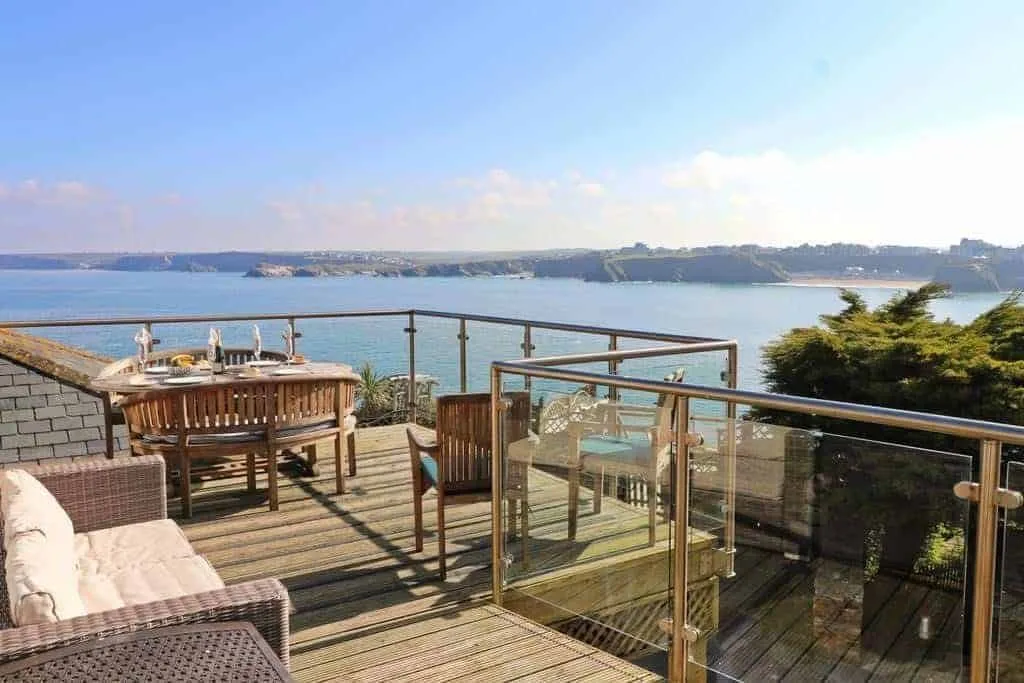
The closest campsite to St Ives town centre, Ayr sits on the hill above Porthmeor Beach with views across St Ives Bay. You can walk into town in 10 minutes, which is a genuine advantage — most St Ives campsites need a car or bus. Pitches take tents, tourers, and motorhomes. Facilities are clean but not flashy. Booking is by phone only (01736 795855), which feels old-fashioned but means pitches don’t vanish online in seconds.
Best for: Anyone who wants to camp and walk to St Ives without driving. The location is hard to beat.
The honest take: It’s a relatively compact site, and the proximity to town means it doesn’t feel remote. If you want wild, isolated camping, look elsewhere. If you want a beach holiday without paying St Ives cottage prices, this is your answer.
Trevornick Holiday Park, Holywell Bay
A large family-oriented park overlooking Holywell Bay — a mile of sand, dunes, and rock pools backed by National Trust land. Trevornick won AA Holiday Park of the Year for 2024/25, and the facilities reflect that: heated outdoor pool, five food outlets, kids’ club, fishing lake, spa, and soft play. Touring pitches from around £27 per night, with electric, premium, and all-weather options. Open Easter to September plus October half-term.
Best for: Families who want activities on tap. Teenagers won’t get bored here, which is worth something.
The honest take: This is a big holiday park, not a quiet field with a tap. If you want peace and birdsong, Trevornick isn’t it. If you want a pool, entertainment, and a great beach on the doorstep, it delivers.
Trevalgan Touring Park, St Ives
A five-star touring park two miles from St Ives, set in farmland with coastal views. Trevalgan is the kind of site that takes the details seriously — underfloor-heated shower blocks, fresh bread and pastries baked to order each morning, and a regular bus to St Ives from the site entrance. Pitches are grass or hardstanding, with 16-amp electric hook-ups. Open May to mid-September. From around £22 per night. New for 2026: up to 3 dogs per pitch.
Best for: Couples and families who want a well-run site near St Ives without the holiday park atmosphere.
The honest take: No pool, no entertainment, no bar. That’s deliberate — Trevalgan is about the pitch, the views, and the coast path (which runs right past the site). If you need on-site activities, choose Trevornick instead.
Henry’s Campsite, the Lizard
A genuinely different campsite at Caerthillian Farm on the Lizard — England’s most southerly point. Henry’s has a farmyard with alpacas, pigs, goats, chickens, and ducks. There’s an on-site cafe (The Galleon), a small shop, and a 10-minute walk to the coast path. Most pitches have electric hook-ups and sea views down Caerthillian Valley. Around £37-£40 per night.
Best for: Anyone who wants character over polish. Henry’s has a loyal following for good reason.
The honest take: Reviews consistently call it “quirky,” which is accurate. The facilities are functional rather than luxurious — showers cost 40p, and the site has a slightly chaotic, working-farm feel. If you like things regimented and spotless, you won’t love it. If you want personality, community, and easy access to Kynance Cove and the Lizard coast path, it’s one of the most memorable campsites in Cornwall.
Glamping
For when you want to sleep outdoors without actually roughing it. Cornwall has embraced glamping fully — yurts, geodomes, pods, safari tents, and converted shepherd’s huts are everywhere. Quality varies enormously. These are the ones worth the premium.
The Park, Mawgan Porth
A five-star holiday village set across 27 acres in a valley less than 300 yards from Mawgan Porth beach. The Park offers yurts (sleeping 2-4, with log burners and rustic furniture), luxury lodges, cottages, and park cabins — many with hot tubs. On site: indoor and outdoor pools, sauna, steam room, a restaurant (The Kitchen by The Beach), and soft play for small children. Yurts from around £600 for a 4-night break. Dog-friendly lodges and cottages available.
Best for: Families or couples who want glamping with proper resort facilities. The beach access is a genuine selling point — Mawgan Porth is a broad, sandy surf beach without the crowds of Newquay.
The honest take: This is glamping at the premium end. You’re paying for the facilities and location, and both justify the price. But if your idea of glamping is escaping to somewhere wild and remote, The Park is too polished for that.
Ekopod, Bodmin Moor
Seven glamping units — two safari tents, four geodomes, and a pod — spread across five acres of wildflower meadow on the edge of Bodmin Moor. No electricity in the units, which is the whole point. Each has a king-size bed, wood-burning stove, and individual BBQ area. There’s an outdoor wild spa and pizza oven on site. About 20 minutes from the beaches at Bude and 15 minutes from Launceston.
Best for: Couples or small families who want to properly switch off. The no-electricity policy forces the issue in a good way.
The honest take: Ekopod is genuinely off-grid, which is rare for glamping sites that often just bolt fairy lights onto a canvas tent and call it rustic. The Bodmin Moor location means you’re inland — no sea views, no coastal walks from the door. But the dark skies at night are exceptional.
Trecombe Lakes, near Falmouth
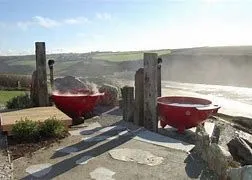
Award-winning glamping in a woodland and lakeside setting about five miles from Falmouth. Luxury yurts with private paddocks, fire pits, and hot tubs, plus glamping pods (sleeping up to 5) and lodges (sleeping 6) with underfloor heating and log burners. Each lodge has a Swedish hot bath on the decking. Views toward Dartmoor from the upper pitches.
Best for: Groups or families who want space and privacy. Each unit has its own paddock, so you’re not on top of your neighbours.
The honest take: Trecombe Lakes is well set up for families — the lodges sleep 6 comfortably, and the lakeside setting gives kids room to run. It’s inland, but Falmouth’s beaches (Gyllyngvase, Swanpool, Maenporth) are a short drive, and the Helford River is close by.
Trewan Hall, St Columb Major
A 36-acre estate of woodland and gardens between Newquay and Padstow, about 10 minutes from the coast. Trewan Hall combines traditional camping (spacious pitches from around £20 per night) with a 25-metre heated pool, games rooms, table tennis, a playground, and a well-stocked shop. Dog-friendly throughout. High-season evening entertainment. Open Easter through September.
Best for: Families who want a mid-range campsite with good facilities at a sensible price. The location between Newquay and Padstow gives you two coastlines within 15 minutes.
The honest take: Trewan Hall isn’t glamorous, but it’s honest, well-maintained, and family-run. The pool is a lifesaver on rainy days. The pitches are generous — you won’t be sardined in next to your neighbour’s guy ropes.
Shepherd’s Huts, Bell Tents & Safari Tents
Cornwall has dozens of these scattered across farms, smallholdings, and coastal fields. A few stand out.
Shepherd’s huts work well for couples. They’re solid, insulated, and usually come with a wood burner — which means they’re usable year-round, unlike most canvas glamping. Expect to pay £80-£150 per night. The best ones are on working farms with private plots, hot tubs, and views over the north Cornwall coast. Check Hipcamp and Canopy & Stars for curated options.
Bell tents are the entry point to glamping — a furnished canvas tent with a proper bed. Several Cornwall companies (Ysella Glamping, Glamped Up) offer bell tent hire delivered to a venue or private land, which is a good option for weddings or group celebrations. On-site bell tent glamping runs £60-£100 per night.
Safari tents bridge the gap between tent and lodge. They’re spacious (often sleeping 4-6), with separate bedrooms, a kitchen area, and a covered porch. Trevornick and several other large parks offer them as a step up from tent camping.
Wild Camping in Cornwall
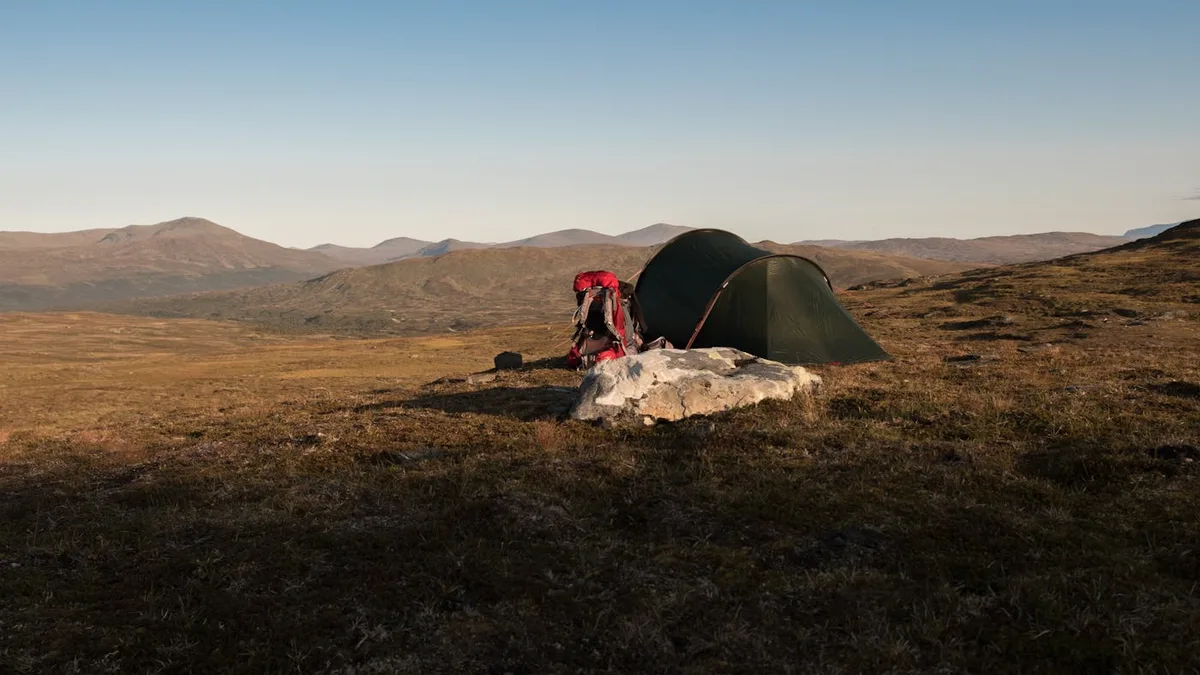
Let’s be direct: wild camping is not legal in Cornwall. England and Wales have no general right to wild camp (Scotland does, under the Land Reform Act). All land in Cornwall is privately owned or managed, and camping without permission is trespass.
In practice, a discreet one-night bivvy in a remote coastal spot is generally tolerated — but “tolerated” is not the same as “legal.” The key rules if you do it:
- Ask permission. Many farmers will say yes if you ask politely. Turning up uninvited is different.
- Pitch late, leave early. Arrive after 7pm, pack up before 9am. Use a bivvy bag or small tent — not a gazebo and windbreak.
- No fires. Full stop. Cornwall’s gorse and heathland are tinder-dry in summer.
- Leave no trace. Carry everything out. No litter, no food waste, no toilet paper left behind.
- Avoid sensitive areas. SSSIs, nature reserves, and National Trust land generally prohibit camping.
The Dartmoor wild camping rights (partially restored after the 2023 court case) do not extend to Cornwall. If you want legal wild-style camping without the risk, look at platforms like Hipcamp, which connect landowners offering low-impact pitches from around £15 per night.
Practical Tips
Booking
Peak season (mid-July to end of August) fills up months ahead. The best pitches at popular sites like Trevornick and Ayr are gone by Easter. Book 3-6 months ahead for summer, 6-8 weeks for shoulder season (May, June, September). Many sites — especially the smaller, independent ones — open bookings in January.
Campfires
Most Cornwall campsites don’t allow ground fires due to the dry conditions and grass pitches. Many provide fire pits or allow raised fire bowls. Check before you go, and buy firewood locally (never forage from hedgerows or woodland — it’s someone’s land).
Dog-Friendly Sites
Cornwall is generally excellent for camping with dogs. Trevalgan, Trevornick, Henry’s Campsite, and Trewan Hall all welcome dogs. Policies vary on numbers, breeds, and whether dogs can use pool areas. Some glamping sites charge a supplement (typically £20-£30 per stay). The coast path is dog-friendly year-round, but many beaches restrict dogs May to September — check our dog-friendly beaches guide.
Facilities Comparison
| Site | Showers | Pool | Shop | Food On-Site | Electric | Dogs |
|---|---|---|---|---|---|---|
| Ayr Holiday Park | Yes | No | No | No | Yes | Check |
| Trevornick | Yes | Heated | Yes | 5 outlets | Yes | Yes |
| Trevalgan | Heated | No | Bakery | No | 16A | Yes (3) |
| Henry’s | Yes (40p) | No | Yes | Cafe | Yes | Yes |
| Trewan Hall | Yes | Heated 25m | Yes | No | Yes | Yes |
When to Go
- May-June: Warm enough for camping, quieter than summer, longer days. Our pick for the best camping experience.
- July-August: Warmest weather but busiest roads, fullest sites, highest prices. Book early or accept what’s left.
- September: Still mild, much quieter, lower prices. Some sites close mid-month.
- Easter/October half-term: Open at larger parks only. Bring layers.
Cornwall’s campsites range from basic to bougie, and there’s no single “best” option — it depends what you want from your trip. A family of five has different needs from a couple with a campervan. Start with the location, then match the site to your budget and tolerance for communal shower blocks.