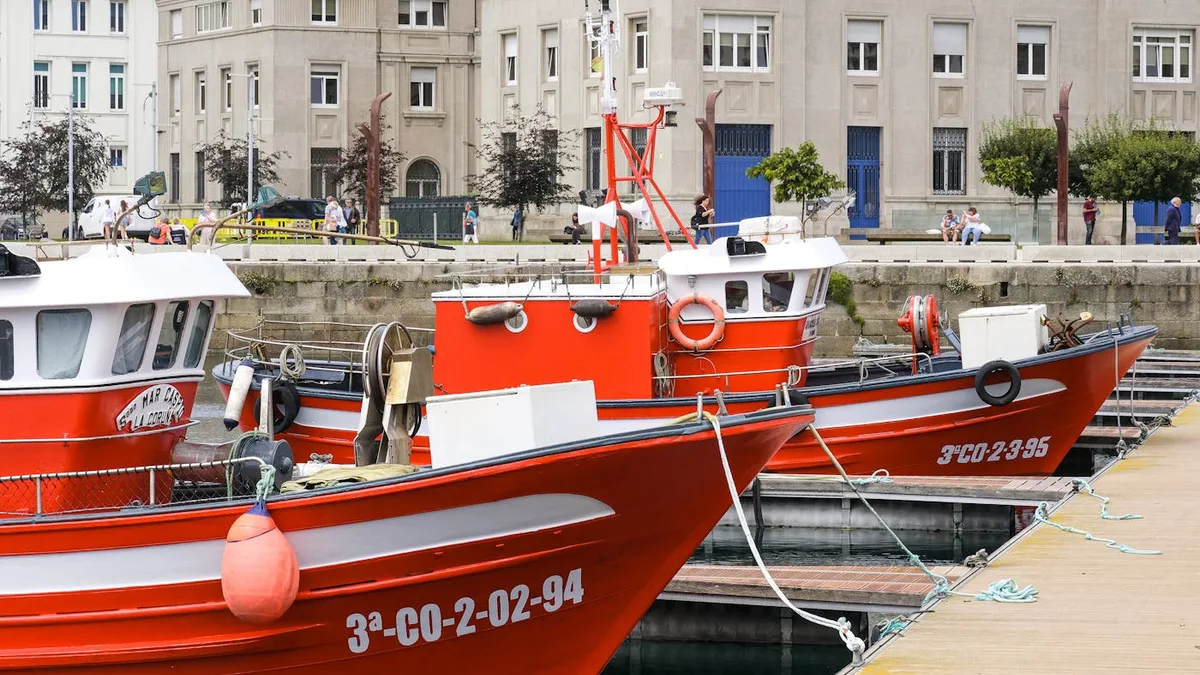
Cornwall has over 400 miles of coastline, two distinct coasts with different characters, and a handful of productive rivers running off Bodmin Moor. Whether you want to fill a bucket with mackerel on a 2-hour boat trip, fight a blue shark 20 miles offshore, or wade a wooded river for sea trout at dusk, it is all here. This guide covers the main ways to fish in Cornwall, what each costs, and the practical details you need to plan a trip.
Mackerel Fishing Trips
Mackerel trips are the most popular way to get out on the water in Cornwall. They run from almost every harbour on both coasts between June and October, last around 2 hours, and require zero experience. Skippers provide rods, feathers, and bait — you just turn up.
The boats motor out a mile or two from the harbour, find a shoal on the sonar, and you drop a string of feathered hooks into the water. When the mackerel are in, you can pull up 4 or 5 fish at a time. Most skippers will gut and bag your catch at the end of the trip.
Where to go:
- Padstow — Emma Kate and Supreme Fishing Trips both run regular mackerel trips from Padstow harbour. The Camel Estuary gives sheltered water close to port, with deeper marks further out towards Trevose Head.
- Newquay — Several operators run from Newquay harbour, including Fish Newquay and Newquay Sealife. Trips cost around £30 per person for a 2-hour session. Newquay Coastal Mackerel Trips has been running harbour cruises for over 50 years.
- Falmouth — Falmouth Fishing Trips and Anglo Dawn both operate from the harbour. Mackerel trips here tend to run slightly cheaper, from around £20 per person for a 2-hour trip. The deep natural harbour and Carrick Roads give access to sheltered water as well as open coast.
- Looe and Mevagissey — Both south coast harbours have a long fishing heritage and several charter boats offering mackerel trips alongside longer reef and wreck sessions.
Season: Late May through October. July and August are the peak months, with the largest shoals and most reliable catches.
What to bring: Waterproof jacket, sun cream, sturdy shoes (no flip-flops on boats), and a cool bag if you want to take fish home. Seasickness tablets if you are prone — even a short trip can get choppy.
Deep Sea and Charter Boat Fishing
For more serious fishing, charter boats operate from ports right around the coast. Full-day and half-day trips target species including pollack, bass, cod, ling, conger eel, and — further offshore — blue shark and even bluefin tuna (on licensed catch-and-release tags).
Mevagissey is one of the main charter ports, with boats like Aquila Sport Fishing running wreck and reef trips over productive ground in St Austell Bay and beyond. Looe has a strong charter fleet too, with Sowenna Fishing offering shark trips and tuna fishing in season. Bite Adventures runs out of Penzance, fishing some of the most productive marks in the far west. Falmouth charters with boats like Bluefin Charters work the south coast wrecks and reefs.
What to expect: A half-day charter (4-5 hours) typically costs £40-60 per person on a shared trip, or £300-500 for a private boat taking up to 6-8 anglers. Full-day shark trips and tuna charters run higher. Most charter skippers provide all tackle, but check when booking.
Best months: Reef and wreck fishing runs from April through November. Shark season peaks in July and August. Tuna tagging runs from late August through October.
Shore Fishing
You do not need a boat to catch fish in Cornwall. The coastline offers hundreds of shore marks — rock platforms, beaches, harbour walls, and estuary channels — producing bass, wrasse, pollack, mackerel, ray, and more.
Top shore marks:
- Loe Bar near Helston — a steep shingle bar known for thornback ray and spotted ray, particularly good in May and June. Bull huss, dogfish, and mackerel also show regularly.
- The Lizard — rocky coves and headlands around Cadgwith, Kynance, and Lizard Point produce wrasse, pollack, and bass from the rocks. Access can be scrambled, so check tides carefully.
- The Fal Estuary around Falmouth — a deep, wide estuary holding bass, mullet, thornback ray, and gilthead bream. Multiple marks accessible from the shore.
- Trevose Head near Padstow — exposed north coast headland with marks for ray, turbot, pollack, and mackerel. Park Head nearby is well regarded for its variety including gurnard.
- St Ives harbour wall and Smeaton’s Pier — good summer mackerel from feathers, plus wrasse and pollack on float tackle.
Practical notes: Shore fishing in saltwater is free — no licence required. A basic set-up of a 10ft beachcaster rod, fixed-spool reel, and a few rigs will cover most situations. Ragworm, lugworm, and mackerel strip are the go-to baits. Always check tide times before fishing rock marks, and never fish alone on exposed platforms.
Rock and Harbour Fishing
If you are on a family holiday and want something low-effort, harbour walls and rock pools are a good starting point. Harbours at Padstow, Mevagissey, Looe, and St Ives all produce mackerel in summer using cheap feathering rigs dropped from the wall. Kids can catch wrasse, blennies, and small pollack on float tackle with ragworm bait.
A basic harbour fishing set-up — telescopic rod, reel, hooks, weights, and a pack of feathers — costs under £30 from tackle shops in most coastal towns. Newquay, Falmouth, and Padstow all have well-stocked tackle shops that can set you up and give advice on local marks and conditions.
River Fishing
Cornwall’s rivers are short, steep, and rain-dependent — classic spate rivers that fish best after a good downpour. The two main game fishing rivers are the Camel and the Fowey, both draining off Bodmin Moor.
River Camel
The Camel runs from Bodmin Moor through Wadebridge to the estuary at Padstow. It holds runs of sea trout (locally called peal) from around July, with salmon arriving from late August through to mid-December. Brown trout are present throughout. The Wadebridge and District Angling Association controls several miles of water and sells day permits. Note that salmon must be returned on the Camel — catch-and-release only under current Environment Agency rules.
River Fowey
The Fowey rises on Bodmin Moor and runs south through Lostwithiel to Fowey harbour. It is one of the best late-autumn salmon rivers in England, with the season open until 15 December. Sea trout arrive from April if there has been spring rain, with the main runs in June and July. Day permits for some beats are available from around £15. The Lostwithiel and District Angling Club controls productive stretches of the river.
Licensing
All freshwater fishing in England requires an Environment Agency rod licence. An annual trout and coarse licence (2 rods) costs £36.80. Salmon and sea trout licences are £93.10 per year. Day licences start at £7.30. You can buy one instantly at gov.uk. Children under 13 fish free; ages 13-16 can get a free junior licence.
Where to Buy Tackle
Most coastal towns have at least one tackle shop. Some of the better-stocked options:
- Padstow Angling Centre in Padstow — bait, tackle, and local knowledge for both boat and shore fishing
- Anglers Corner in Newquay — well-established shop covering sea fishing gear and bait
- Falmouth Tackle in Falmouth — good for south coast shore marks advice
- Looe Tackle in Looe — bait and tackle plus tips on local charter boats
Fresh bait (ragworm, lugworm, squid) is usually available from tackle shops and some harbour-side stores. During peak summer, pre-ordering bait is worth doing to avoid disappointment.
Planning Your Fishing Trip
Best months overall: June through September covers mackerel season, calm seas for charters, and the start of sea trout runs on the rivers. October brings autumn bass fishing on the shore and salmon on the Fowey.
Tides matter: Check tide tables before any shore fishing session. Many rock marks are only fishable on certain tides, and bass fishing is often best in the 2 hours either side of high water. Skippers will plan boat trips around the tide too.
Weather: Cornwall’s weather changes fast. Waterproofs, layers, and polarised sunglasses (for spotting fish and reducing glare) are worth packing even in July.
Booking: Mackerel trips rarely need booking more than a day ahead outside school holidays. Charter boats for specific species — shark, tuna, wrecking — should be booked well in advance, as the best skippers fill up months ahead for peak dates.
Cornwall has fishing for every level of interest, from a casual hour on the harbour wall to a full day chasing blue sharks offshore. The combination of Atlantic and Channel coasts, sheltered estuaries, and moorland rivers means there is always somewhere to fish regardless of conditions. Check our watersports guide for more ways to get out on the water, or find a base near the coast with our places to stay guide.