Grampound
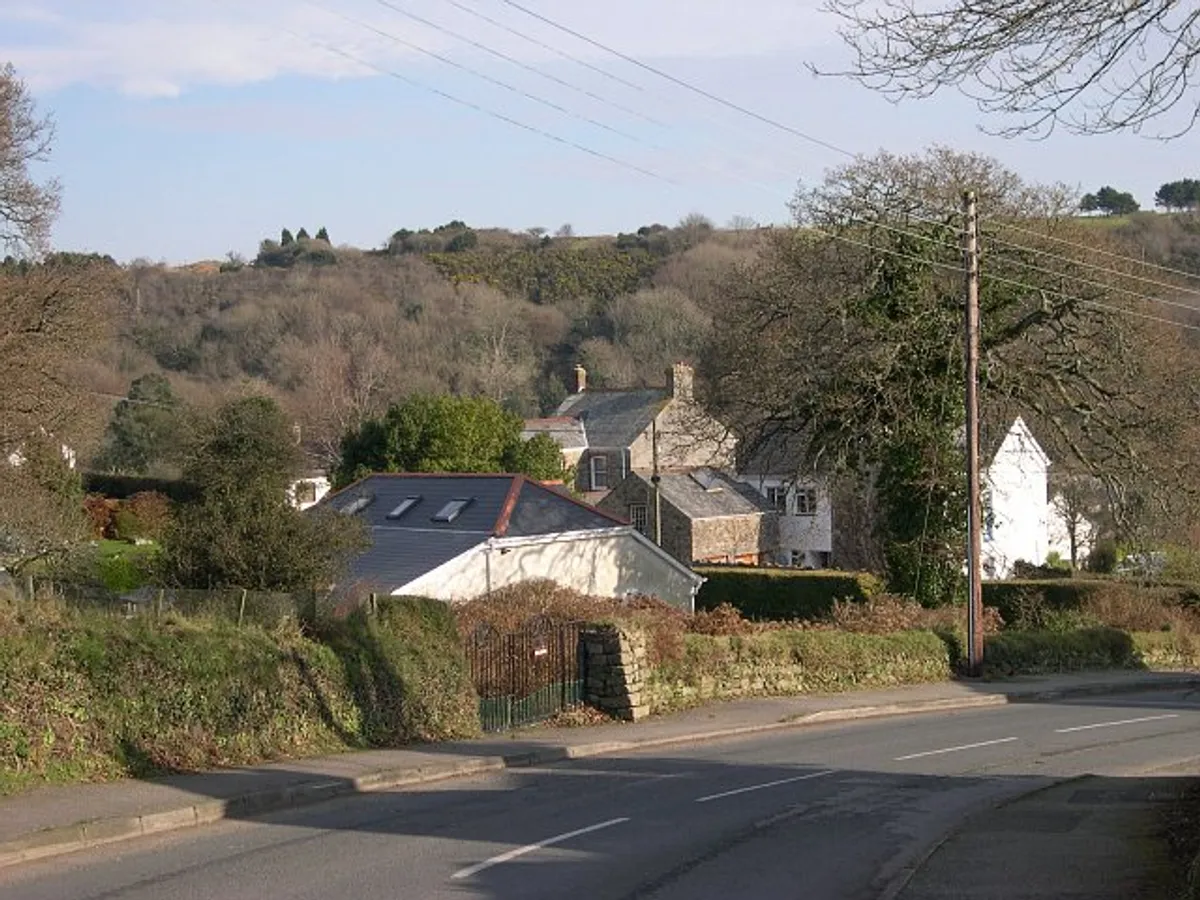
Grampound is a village on the River Fal in central Cornwall, roughly midway between Truro and St Austell on the A390. The name comes from Norman French - “grand pont” meaning great bridge - reflecting the village’s origins as the main crossing point on the Fal. A charter granted in 1332 by John of Eltham, Earl of Cornwall, gave the settlement a weekly market, fairs and freedom from tolls.
The village has a colourful political history. In the Tudor period it became a parliamentary borough, but by the late 18th century it was notorious as one of Cornwall’s most corrupt rotten boroughs. Vote-buying was so blatant that each vote reportedly cost up to 280 pounds at one election. After the 1818 general election, 24 people were jailed for bribery, and Parliament abolished the constituency in 1821 - one of the earliest boroughs to be stripped of its seats.
Leather tanning sustained the village economy for generations. The Croggon family tannery, the last working tannery in Grampound, operated until 2002. Today the village has a community shop, a pub and a heritage centre that documents local history. The surrounding Fal valley is good walking country, with paths following the river south toward the Roseland. Truro is about 8 miles west, the Lost Gardens of Heligan around 6 miles southeast, and Mevagissey’s harbour sits on the coast below. Grampound’s central position and direct A390 access make it a convenient base for reaching both the south coast and the gardens and estates of mid-Cornwall.
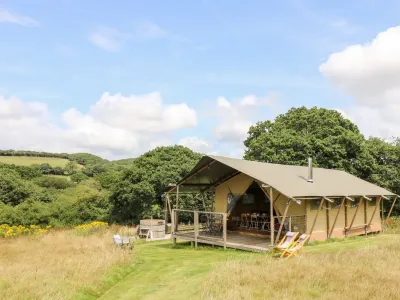
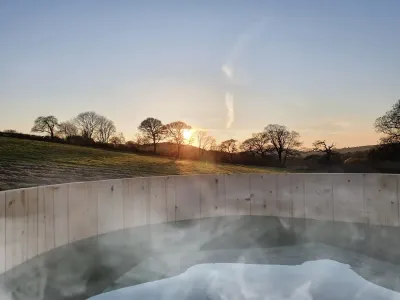
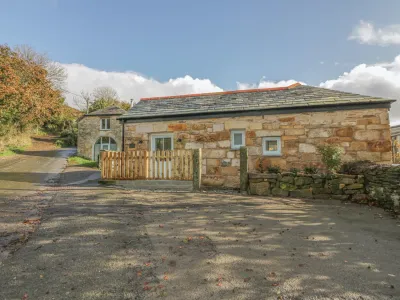
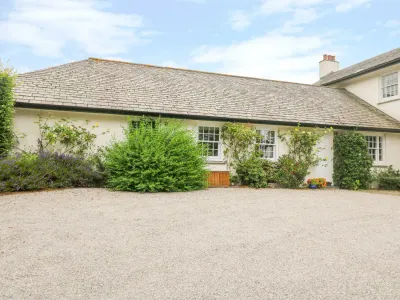
Places to Stay in Grampound
Hand-picked accommodation from cottages to boutique hotels.