Cornwall has more free activities than almost any holiday destination in England. Every beach is open to everyone. The coast path runs for hundreds of miles without a turnstile. Seals, sunsets, harbour villages, and some of the best walking in the country cost nothing at all.
This is not a list padded with things that are technically free but require a £10 car park fee to reach. Where parking costs apply, we say so. These are genuinely free experiences that make Cornwall worth visiting even on the tightest budget.
Beaches
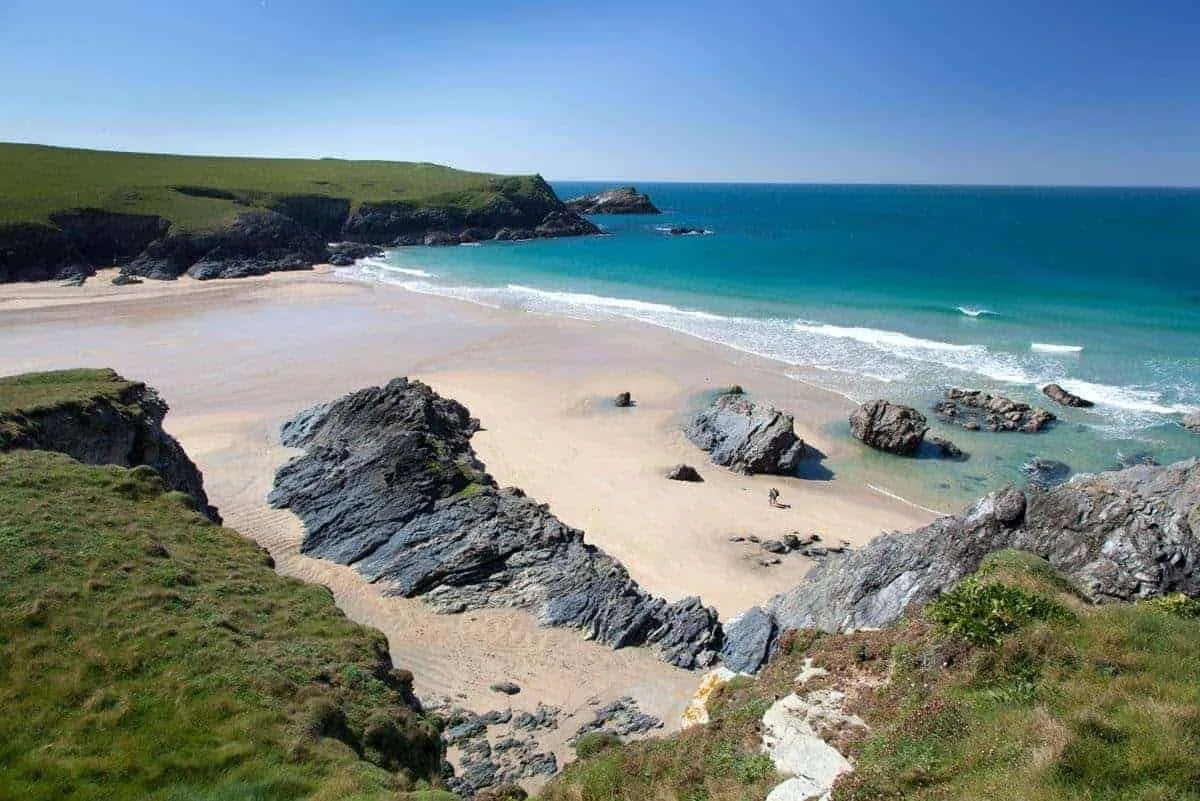
All of Cornwall’s 300-plus beaches are free to visit. No admission charges, no roped-off sections, no fees for swimming. This is true for the famous ones like Fistral and Porthminster and for the tiny coves that barely appear on maps.
The only cost is parking, and you can avoid even that. Beaches within walking distance of towns need no car park - Porthmeor in St Ives is a 2-minute walk from the town centre, Gyllyngvase in Falmouth is 10 minutes on foot from the high street, and Summerleaze in Bude is right beside the town.
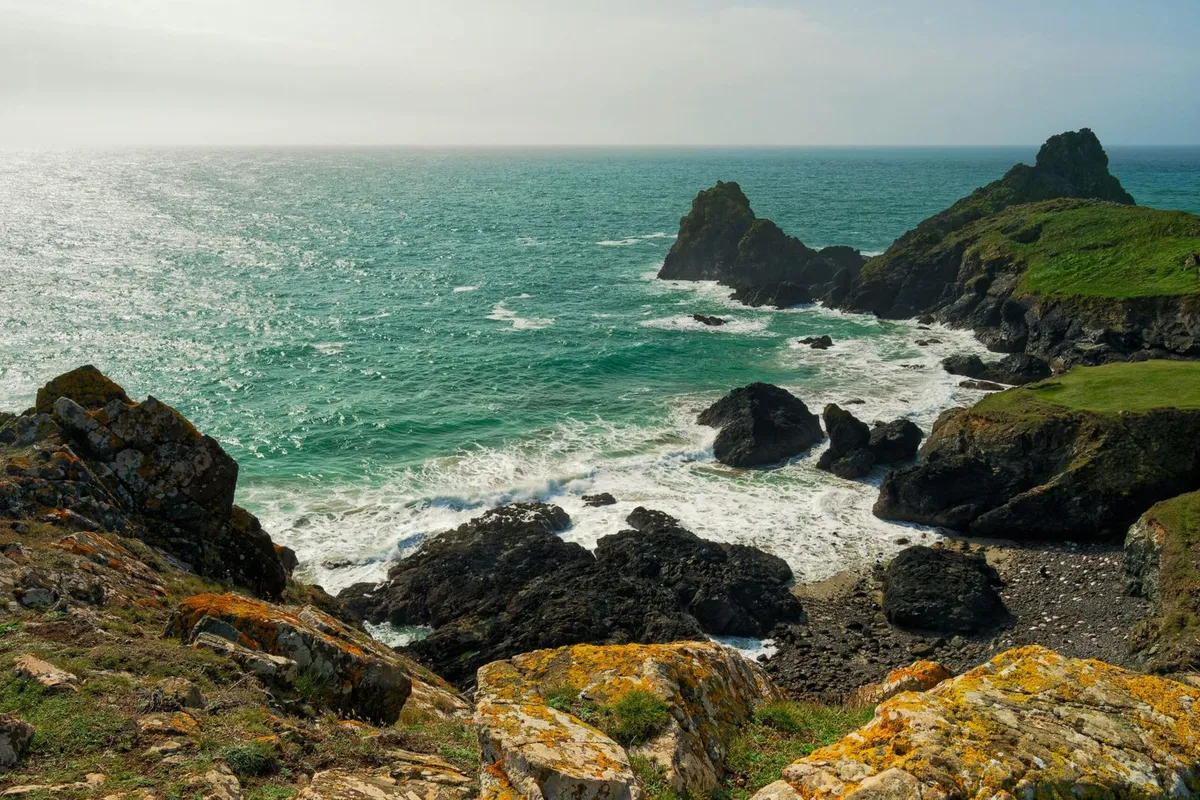
For the beaches that do require a car park, National Trust members park free at sites including Godrevy, Kynance Cove, Bedruthan Steps, and Porthcurno. The membership cost pays for itself within a few visits if you are spending a week in Cornwall.
Best Free Beach Picks
- Sennen Cove - Wide sandy beach near Land’s End. Reliable surf, lifeguards in summer, cafe on the beach. A short walk along the coast path brings you to Land’s End itself.
- Porthcurno - Turquoise water between granite cliffs. The sand is part crushed shell, which gives it a distinctive pale colour. The Minack Theatre sits on the cliff above.
- Lantic Bay - Requires a 20-minute walk down a steep field path from the car park, which keeps it quiet even in August. No facilities, no lifeguard, no crowds. Bring everything you need.
- Crantock - A broad sandy beach near Newquay reached across dunes from the village. The Gannel estuary at the back of the beach has calm, shallow water for children.
- Pedn Vounder - Reached by a steep scramble down the cliff near Treen. Dramatic rock arch, clear water, and a sense of remoteness despite being a short walk from the coast path.
South West Coast Path
The 630-mile South West Coast Path is a National Trail that runs from Minehead in Somerset to Poole in Dorset, with approximately 288 miles threading along the Cornish coastline. Walking it is completely free - no tickets, no permits, no tolls.
You do not need to commit to long distances. Some of the best sections take less than an hour. A 2-mile walk along the cliffs delivers panoramic views, wildflowers (particularly from April to June), and the kind of headspace that a beach day does not quite match.
Short Free Walks
- Sennen Cove to Land’s End - 1.5 miles one way along well-maintained clifftop paths. On clear days you can see the Isles of Scilly, 28 miles offshore. Walk it in the late afternoon when the coach parties have left.
- Lizard Point to Kynance Cove - About 3 miles return along dramatic serpentine rock cliffs. Kynance itself is one of Cornwall’s most photographed beaches, and approaching it from the coast path is better than driving to the car park.
- Pentire Head circular from Polzeath - 3.5 miles with views across the Camel Estuary towards Padstow. Look for the Rumps, an Iron Age cliff castle at the far point of the headland.
- Boscastle to Crackington Haven - About 5 miles one way through some of the most dramatic cliff scenery on the north coast. The folded rock strata at Crackington Haven are worth the walk alone.
- Zennor to St Ives - Approximately 6 miles along the wild north coast. Granite cliffs, moorland, and seabird colonies. This walk takes a full morning and is moderately challenging with several ascents and descents.
Our full guide to coast path walks in Cornwall covers 11 sections with distances, difficulty grades, and parking information.
Engine Houses and Mining Heritage
Cornwall’s tin and copper mines operated for centuries, and the remains of their engine houses are scattered along the clifftops. The Cornwall and West Devon Mining Landscape is a UNESCO World Heritage Site, and viewing these structures from the coast path or public footpaths is entirely free.
Best Free Mining Viewpoints
- Wheal Coates, near St Agnes - The most photographed engine house in Cornwall, perched on the cliff above Chapel Porth beach. Walk from the National Trust car park at Chapel Porth (free for members) to see the engine house silhouetted against the sea.
- Botallack and Crowns engine houses, near Pendeen - Two engine houses cling to the cliff face above the Atlantic. Visible from the coast path between Pendeen and Botallack. The walk from the Botallack car park takes about 15 minutes.
- Wheal Prosper and Wheal Trewavas, near Porthleven - Reached from the coast path west of Porthleven. Less visited than the north coast sites, which makes the experience quieter and more atmospheric.
- South Crofty, Pool - The last working tin mine in Cornwall, closed in 1998. The headframe is visible from the road. The surrounding area was part of the Heartlands heritage site, which closed in 2024 but is expected to reopen under National Trust management.
Rock Pooling
Rock pooling is one of the best free activities in Cornwall for families. All you need is a low tide, a bucket (or just your eyes), and a beach with rocky platforms. Expect to find shore crabs, sea anemones, blennies, hermit crabs, shrimp, and starfish depending on the beach and the tide.
Best Rock Pooling Beaches
- Crooklets Beach, Bude - Extensive rock platforms exposed at low tide with deep, well-established pools.
- Trevaunance Cove, St Agnes - The remains of old harbour walls create excellent sheltered pools.
- Hannafore, near Looe - A long rocky reef extends from the beach at low tide. Good variety of marine life.
- Godrevy - The rocky areas at the northern end of the beach have varied pool habitats.
- Treyarnon Bay - Home to a natural rock pool large enough to swim in at low tide.
Check tide times before you go. Low spring tides expose the most pools. Always replace rocks and creatures where you found them.
Seal Watching from Clifftops
Grey seals are resident around the Cornish coast throughout the year, and watching them from elevated cliff paths is free and requires no boat trip. The most reliable viewing location is Mutton Cove at Godrevy Head, near Hayle.
Walk 5 minutes from the National Trust car park at Godrevy Point, and you can look down onto the beach at Mutton Cove where seals haul out on the sand. In winter months, over 100 seals gather here. The cove is inaccessible from below, which keeps the animals undisturbed.
Best times: Grey seals are visible year-round, but numbers peak between October and March. Low tide is best, as the beach is submerged at high water. Pupping season runs from September to January, when mothers and newborn pups are visible on the sand.
Other free seal spots: The coast path near Polzeath, Lizard Point, and Porthgwarra near Land’s End. Bring binoculars for better views. Keep dogs on leads and maintain a safe distance from the cliff edge.
Exploring Harbour Villages
Some of the most enjoyable hours in Cornwall cost nothing. Walking harbour walls, watching fishing boats come in, and exploring the tight lanes of Cornish fishing villages is free - and genuinely engaging.
Villages Worth Exploring
- Mousehole - A tiny granite harbour village 3 miles south of Penzance. The harbour wall is perfect for sitting and watching. In December, the village is famous for its harbour lights display (free to view).
- Mevagissey - A working fishing harbour with colourful boats, narrow streets, and a proper aquarium in the harbour wall itself (small charge for the aquarium, but the harbour is free).
- Port Isaac - Known as Port Wen in Doc Martin. Steep lanes lead down to a small working harbour. The Platt - the open area at the bottom of the village - is where the fishermen’s friends singing group performs on Friday evenings in summer (free).
- Charlestown - A Georgian harbour with tall ships moored in the dock. Free to walk around and photograph. The harbour was built in the 1790s and still looks much as it did then.
- Boscastle - A natural harbour carved into the cliffs on the north coast. The harbour entrance is dramatic from the coast path above. The village rebuilt after devastating floods in 2004.
- Fowey - A deep-water harbour town on the south coast. Watch the river traffic from the Town Quay, including the chain ferry crossing to Bodinnick. The Readymoney Cove walk from the town centre takes 15 minutes and passes St Catherine’s Castle (English Heritage, free to visit).
Bodmin Moor Walks
Bodmin Moor covers 80 square miles of open moorland in central Cornwall. Walking across it is free, and the landscape feels genuinely wild - granite tors, Bronze Age stone circles, wild ponies, and long views in every direction.
Free Walks on the Moor
- Rough Tor - Cornwall’s second-highest point at 400 metres. A straightforward walk from the free car park near Camelford, taking about 45 minutes each way. Clear day views extend to both coasts.
- Brown Willy - At 420 metres, Cornwall’s highest point. Often combined with Rough Tor into a circular walk of about 5 miles. The terrain is rougher and boggier than Rough Tor - proper walking boots are essential.
- The Cheesewring, Minions - A natural granite stack formed by weathering, sitting above an old quarry near the village of Minions. Free car park at the village, and the walk to the Cheesewring takes about 20 minutes. Nearby are the Hurlers, a set of 3 Bronze Age stone circles, also free to visit.
- Golitha Falls - Technically on the southern edge of Bodmin Moor. A series of cascading waterfalls through ancient oak woodland on the River Fowey. Free car park, and the walk through the woods is about a mile each way. One of the best wet-weather activities in Cornwall - the woodland is atmospheric in rain.
Free Art and Culture
Falmouth Art Gallery
Falmouth Art Gallery is one of the best free galleries in the South West. The permanent collection includes Pre-Raphaelite works, Cornish artists, automata, and a programme of temporary exhibitions that changes several times a year. Located on The Moor in central Falmouth, open Monday to Saturday, completely free.
Truro Cathedral
Cornwall’s only cathedral, completed in 1910, with 3 spires visible from across the city. Free to enter and worth 30-60 minutes to look at the stained glass, the Willis organ, and the 14th-century south aisle that survives from the earlier parish church of St Mary’s. Truro Cathedral also hosts free lunchtime recitals on certain days.
Cornwall Museum and Art Gallery, Truro
Formerly the Royal Cornwall Museum, this Truro institution reopened in 2025 under its new name. Free entry for under 18s. Adults pay £10 for an annual pass, which makes a repeat visit effectively free. The mineral collection is one of the finest in the country - Cornwall’s mining heritage produced remarkable specimens.
Church Art and Architecture
Cornwall has over 200 medieval churches, and all are free to enter when open. Highlights include St Senara’s Church in Zennor (with a famous mermaid carving on a 600-year-old bench end), St Endellion Collegiate Church near Port Isaac, and the Church of St Morwenna at Morwenstow near Bude, where the eccentric vicar Robert Hawker wrote. Many smaller churches are unlocked during daylight hours.
Natural Tidal Pools
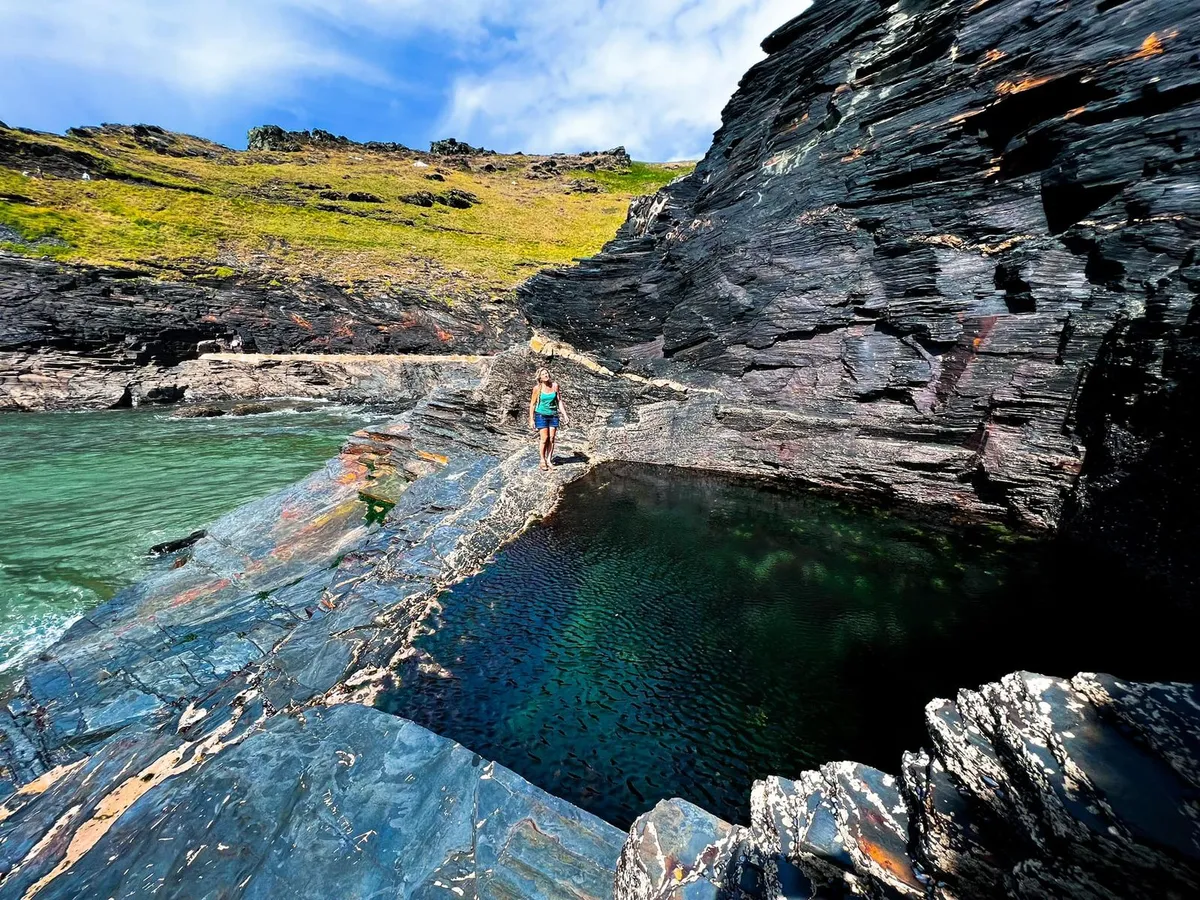
Cornwall has several natural and constructed tidal pools where you can swim for free. These fill with seawater at high tide and retain the water as the tide drops, giving you a sheltered pool without waves.
- Bude Sea Pool - A large semi-natural pool on Summerleaze Beach, free to use year-round. One of the most popular wild swimming spots in Cornwall.
- Treyarnon Rock Pool - A natural pool in the rocks at Treyarnon Bay, swimmable at low to mid tide. Cold, clear, and memorable.
- Trevone Sea Pool - A round, deep natural pool carved into the rock platform. Popular with locals.
- Chapel Rock Tidal Pool - Near Perranporth, a dramatic natural pool surrounded by rocks.
Watching Sunsets
Cornwall faces west, which means its sunsets are exceptional. Watching one costs nothing and is often the highlight of a day.
Best Free Sunset Spots
- Sennen Cove - The most westerly beach on the mainland. Watch the sun drop into the Atlantic from the beach or the coast path above.
- Porthmeor Beach, St Ives - West-facing, with the sun setting directly over the water. The grassy area above the beach is a popular gathering spot.
- Gwithian Towans - 3 miles of west-facing beach with views to Godrevy Lighthouse. Less crowded than St Ives.
- Bedruthan Steps - The giant rock stacks catch the evening light dramatically. View from the clifftop path (the beach itself is not safely accessible at all times).
- Pendeen Watch, near St Just - The headland near the lighthouse gives a wide, unobstructed view of the sun setting over the Atlantic.
Farmers’ Markets and Food Festivals
Cornwall has weekly farmers’ markets in most towns. Browsing is free, and many stalls offer samples. Even if you do not buy, markets are a good way to see what Cornwall produces and to absorb the atmosphere of a market town.
Regular weekly markets include:
- Truro Farmers’ Market - Wednesdays and Saturdays on Lemon Quay. One of the largest in Cornwall.
- Penzance Market - Tuesdays and Saturdays.
- Falmouth Market - Tuesdays on The Moor.
- Helston Market - Mondays on Coinagehall Street.
Several food festivals run through the year with free entry to the main festival areas, including Porthleven Food Festival and the Newquay Fish Festival. Check dates before planning your trip, as they vary year to year.
Making the Most of Free Cornwall
The key to a great free day in Cornwall is combining activities. Walk a section of coast path in the morning, rock pool or swim at a beach in the afternoon, explore a harbour village in the early evening, and watch the sunset from a west-facing clifftop.
Pack a picnic - a pasty from a bakery, some fruit, and a flask of tea - and you can spend a full day outdoors without spending more than a few pounds. Cornwall’s best experiences are not behind ticket barriers. They are on the cliffs, in the water, and along the harbour walls where the light, the air, and the landscape do all the work.
Browse our full guide to things to do in Cornwall for more activities, or check Cornwall on a budget for tips on keeping the whole holiday affordable.