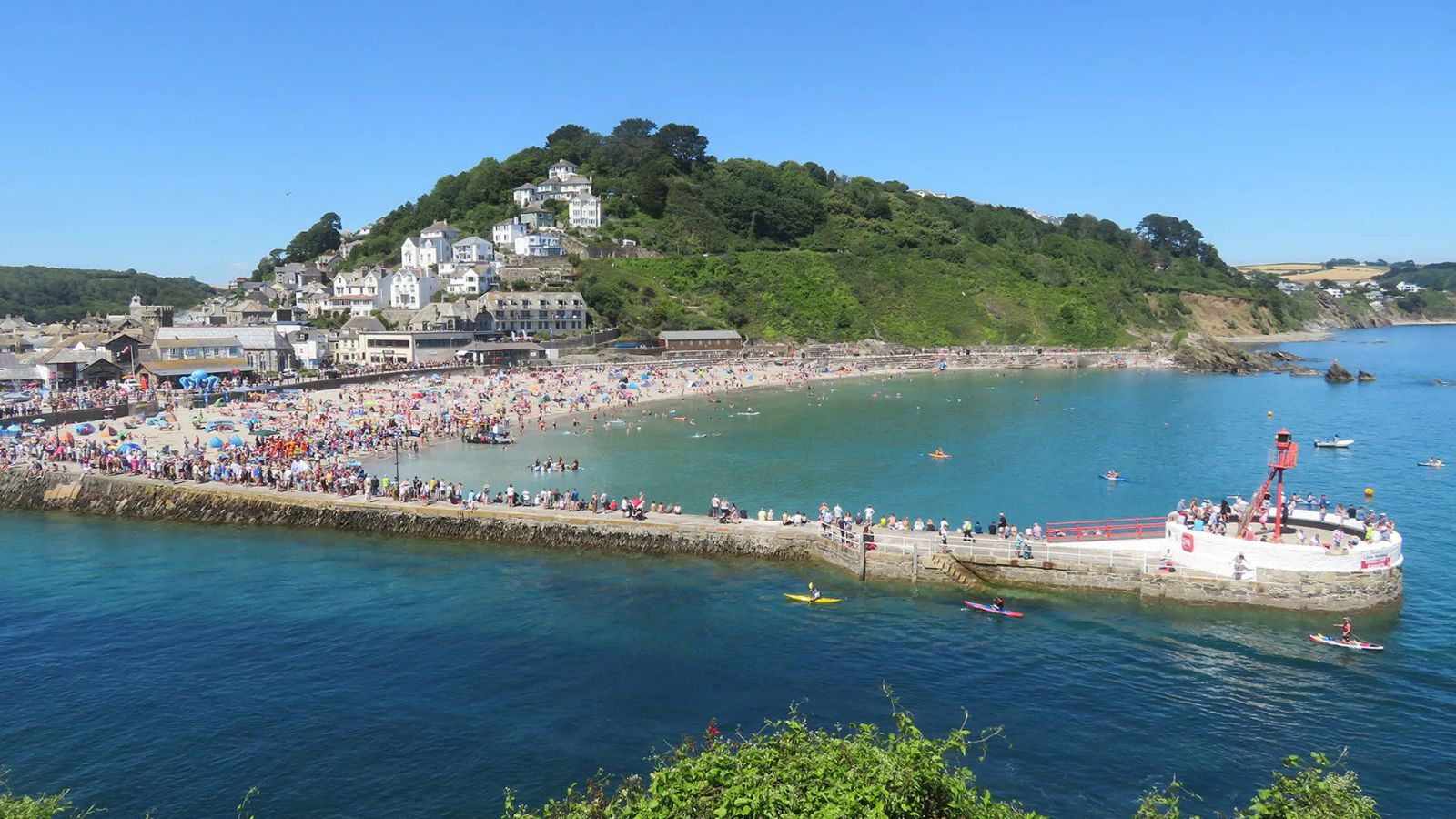
Looe is a fishing town in south east Cornwall, split into two halves by the River Looe. East Looe and West Looe face each other across the tidal river, connected by a seven-arched bridge that has been rebuilt several times since the original was constructed in the 15th century. The town climbs steeply up both hillsides from the water, and the narrow streets on the East Looe side are packed with independent shops, galleries, and restaurants.
Looe has been a working fishing port for centuries and still is. The harbour fleet lands fish daily, and the quayside activity gives the town a purpose beyond tourism. That said, visitors are well catered for - there are boat trips to an island nature reserve, a coast path walk to neighbouring Polperro, beaches in both directions, and a dining scene centred on seafood so fresh it was probably still swimming that morning.
East Looe and West Looe
The two Looes have distinct characters. East Looe is the commercial half - the one with the high street, the harbour, the restaurants, and the beach. It is where most visitors spend their time. The streets are narrow and largely pedestrianised near the quay, and the buildings are a mix of 16th-century cottages and Victorian terraces stacked up the hillside.
West Looe is quieter and more residential. It has fewer shops and restaurants but offers good views back across the river to East Looe’s waterfront. The bridge between the two is a focal point of the town - it is wide enough for a single lane of traffic plus a pavement, and crossing it gives you the best perspective on the harbour.
The river itself empties at low tide to reveal sand and mud flats, while at high tide it fills right up to the harbour walls. This tidal rhythm shapes everything in Looe - when the boats go out, when the island trips run, and how the harbour looks from hour to hour.
Looe Harbour and Fishing Fleet
Looe’s harbour is the heart of the town. The fishing fleet operates from the quay on the East Looe side, and you can watch boats coming and going throughout the day. The fleet catches a range of species - pollack, mackerel, crab, lobster, and whatever else the season brings.
The old fish market building sits on the quay, and fresh fish is sold locally. Several of the town’s restaurants buy directly from the boats, which is why the seafood here tends to be better than average. Walking the quay in the early morning, when the fleet is heading out, gives you Looe at its most authentic.
Fishing trips for visitors also run from the harbour. Several operators offer mackerel fishing excursions and longer deep-sea trips, typically between April and October.
Looe Island
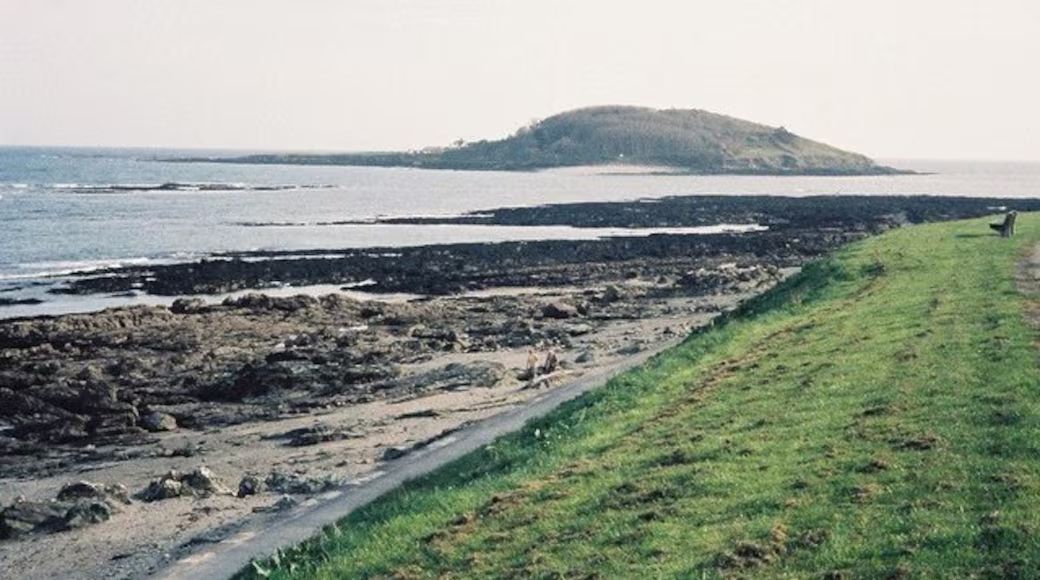
Looe Island - also known as St George’s Island - sits about a mile offshore, clearly visible from the harbour and East Looe Beach. The island is a nature reserve owned and managed by the Cornwall Wildlife Trust, and it is one of the best wildlife day trips in south Cornwall.
Boat crossings to the island run from the harbour, operated by Looe Sea Safari. The crossing takes about 20 minutes and is only possible around high tide in fair weather. Once on the island, a warden leads a guided tour lasting about 2 hours. The island is home to breeding colonies of cormorants, shags, and great black-backed gulls, along with grey seals, butterflies, and wildflower meadows.
The return boat fare is around 12 pounds for adults and 6 pounds for children aged 10 and under, with an additional landing fee paid on the island. Boats are small - typically limited to 11 passengers - so trips can sell out. Book ahead through Looe Sea Safari, especially in summer.
The island has an interesting backstory. In 1965, two sisters - Babs and Evelyn Atkins - bought the island and lived there for decades, writing two books about the experience. After Babs’s death in 2004, the island was bequeathed to the Cornwall Wildlife Trust to be preserved as a nature reserve. Dogs are not allowed on the island.
Banjo Pier
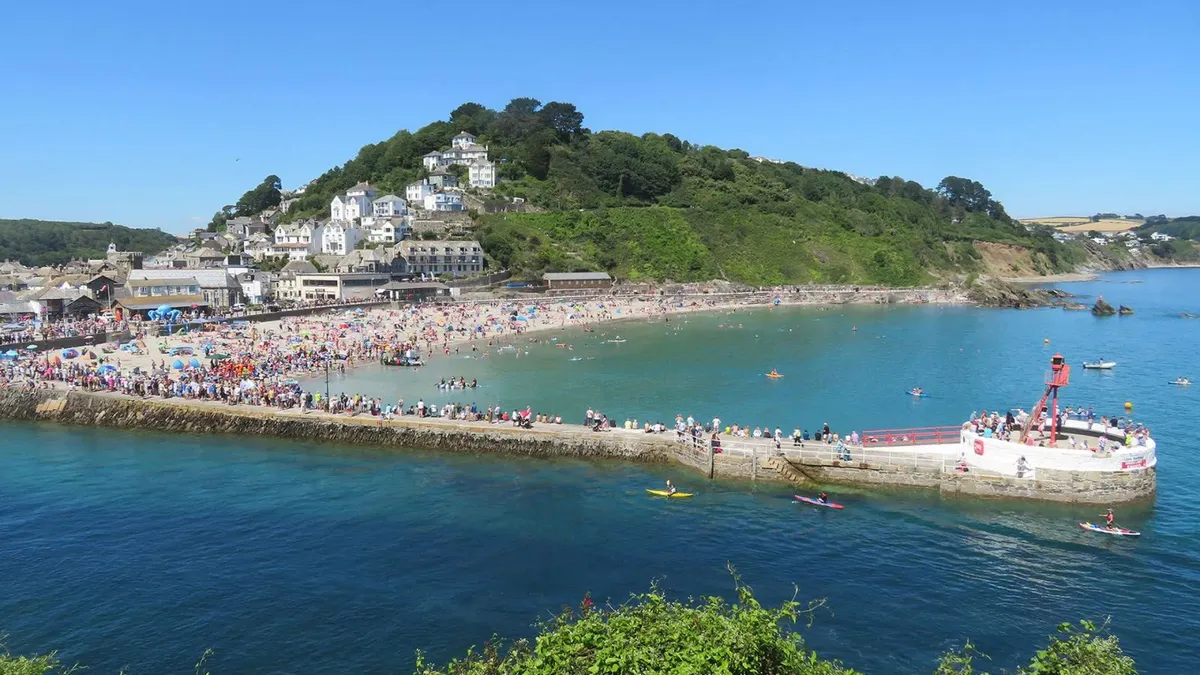
Banjo Pier extends from the east bank of the river mouth, and its circular end - which gives it the shape of a banjo when seen from above - makes it one of the more distinctive structures on the Cornish coast. The pier was built in 1897 to solve a practical problem: the River Looe kept silting up at its mouth, blocking ships from entering the harbour.
Local engineer Joseph Thomas designed the circular pier head to redirect the current and keep the channel clear. He was so confident in his design that he refused payment until the pier was built and proven effective. It worked, and he got paid. The design was later copied by piers around the world, making Looe’s the prototype for the banjo pier form. It is a Grade II listed structure.
Today the pier is used by anglers fishing for bass and pollack at high tide, and by visitors walking out to the end for views back across the harbour and along the coast. At high tide in rough weather, waves crash over the narrow neck of the pier and it becomes unsafe - gates at the entrance are closed when conditions are bad.
The Monkey Sanctuary and Wild Futures
The Monkey Sanctuary, located between Looe and Seaton, was founded in 1964 by Len Williams - father of the classical guitarist John Williams. It is the flagship project of Wild Futures, a charity dedicated to primate welfare and conservation.
The sanctuary has cared for woolly monkeys, capuchins, marmosets, and macaques rescued from the pet trade and poor conditions. At its peak it was home to over 35 individuals, and a visit offered an intimate look at a working rescue centre rather than a conventional zoo.
However, the sanctuary has faced significant financial difficulties in recent years. It was closed to the public for the 2025 season due to rising operational costs, and the charity placed its site - Murrayton House, a 19th-century building - on the market as part of a strategic review. The future of public visits is uncertain at the time of writing, so check the Wild Futures website for the latest information before planning a trip. The charity continues to care for the animals at the site regardless of public access.
Beaches
East Looe Beach
East Looe Beach is the town’s main beach, a sandy strip at the mouth of the river directly below the harbour. It is sheltered by the pier and the headland, which makes it calmer than most Atlantic-facing beaches. At low tide there is plenty of sand; at high tide the beach narrows significantly. Lifeguards patrol during summer months. It is an easy walk from the town centre - essentially just follow the harbour wall south.
Seaton Beach
Seaton Beach is about 3 miles west of Looe, in a wide bay backed by a nature reserve. The beach is long and sandy with room to spread out even in high season. A large car park sits behind the beach. Seaton tends to be quieter than Looe’s town beach and is a better option if you want a longer stretch of sand for walking or beach games.
Millendreath Beach
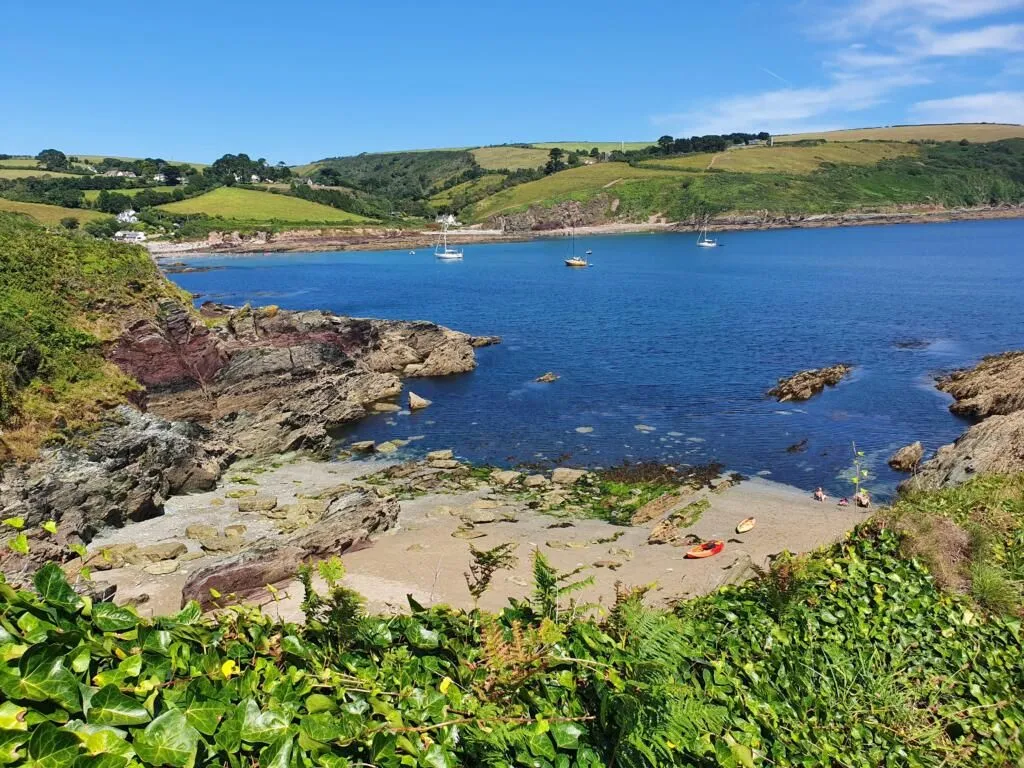
Millendreath is a small, sheltered cove between Looe and Seaton, accessible by a steep lane. It has a mix of sand and shingle and feels more secluded than either of the main beaches. A cafe operates in season. It is a decent option for a quiet swim.
Hannafore Beach
Hannafore is on the West Looe side, beyond the headland. It is a rocky shore rather than a sandy beach, but it has rock pools that are excellent for exploring at low tide, and good views across to Looe Island.
South East Cornwall Discovery Centre
Located at Millpool in West Looe, this small centre has displays and exhibitions on south east Cornwall - its history, landscape, and wildlife. It functions partly as a tourist information point, with maps, brochures, and advice on local accommodation and activities. The centre is housed in the same building as the Looe library and town council offices.
It is not a major attraction in itself, but it is worth 20 minutes if you are in West Looe, particularly on a rainy day when you want context on the area before heading out to explore.
Looe to Polperro Coast Path Walk
The walk from Looe to Polperro along the South West Coast Path is about 5 miles one way and takes roughly 1.5 to 2 hours. It is one of the most popular short walks in south east Cornwall, connecting two of the area’s most characterful towns.
The path starts from the seafront in East Looe and heads west along the cliffs. The first mile is on flat tarmac before the route climbs onto the coast path proper. The path is uneven in places and includes several steep sections - one long climb in particular will test your legs. The going can be muddy after rain.
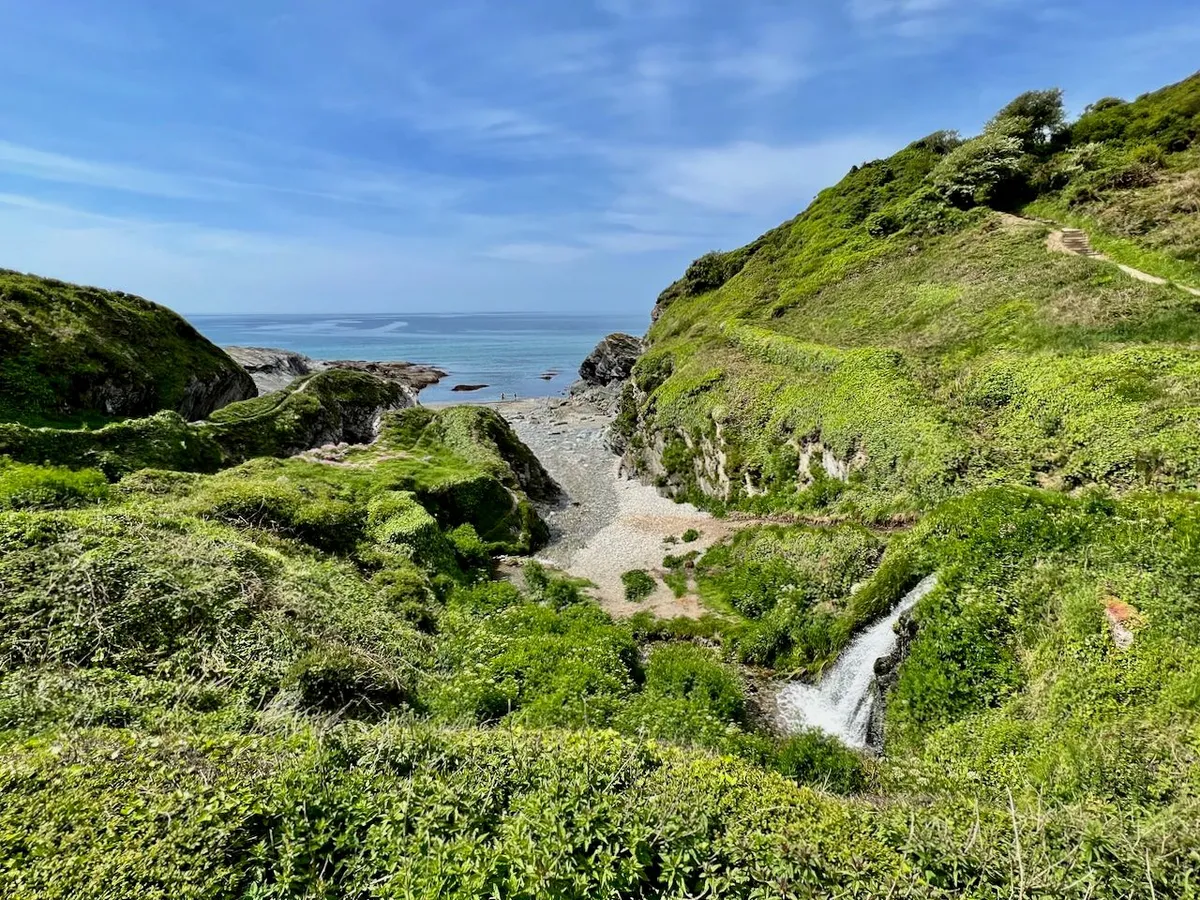
Talland Bay, about 3.5 miles into the walk, makes a natural stopping point. The small beach here is worth a rest before the final 1.5-mile stretch into Polperro. The views along this section are consistently good - you look west along the coast toward Polperro’s harbour entrance, which is invisible until you are almost on top of it.
Polperro itself is a fishing village squeezed into a narrow valley, with a tiny harbour and whitewashed houses stacked up the hillside. It is worth spending an hour or two exploring before heading back. Rather than walking the return leg, you can take the bus from Polperro to Looe - the service runs regularly in summer and takes about 20 minutes.
Where to Eat
Squid Ink
Squid Ink is a small, 32-cover restaurant in East Looe, run by owner Adrian Woodward since 2008. The restaurant occupies a building that dates back over 300 years. The menu focuses on locally caught seafood, and the cooking is careful and precise. Booking is essential - the small size means walk-ins are rarely possible.
The Sardine Factory
The Sardine Factory sits in a converted sardine factory on the quayside, with views across the harbour to East Looe. Chef Ben Palmer returned to his hometown to open it, focusing on simple, seasonal seafood. The restaurant holds a Michelin Bib Gourmand - the only one in Looe. Current opening is limited to several days a week, so check ahead.
Trawlers on the Quay
Trawlers on the Quay is a reliable harbour-front option with a straightforward fish menu. It is family-friendly, though they ask families with children to book earlier sittings. There is no set children’s menu, but children can share a main course or choose a starter as a main.
Other Options
Looe has a solid range of cafes, pubs, and fish and chip shops on both sides of the river. The Jolly Sailor on the quay is a traditional pub with harbour views. For self-catering, the fish sold directly from the quayside is hard to beat - you will not find fresher anywhere.
Getting to Looe
Looe has its own railway station on the scenic Looe Valley branch line, which connects to the main line at Liskeard. The branch line runs through the wooded river valley and is worth the journey in its own right - it takes about 30 minutes from Liskeard. From London Paddington, the journey to Liskeard takes around 4 hours on the main Cornwall line.
By car, Looe is reached via the A387 from the A38. Parking in town is limited. The main car park at Millpool in West Looe is the largest option. There is also parking at the station and in East Looe, though spaces fill quickly in summer.
For places to stay in the Looe area, there is a mix of hotels, B&Bs, self-catering cottages, and holiday parks. Polperro is close enough to use as a base while visiting Looe.
More to Do Nearby
Looe is a good base for south east Cornwall. The walk to Polperro is a highlight, but there is more beyond it. Fowey and its harbour are about 12 miles west. Inland, Bodmin Moor is within 30 minutes’ drive. The coast around Whitsand Bay offers wilder, Atlantic-facing beaches. And the Rame Peninsula - sometimes called Cornwall’s forgotten corner - is worth a day trip for its quiet villages and coastal walking.
For broader planning, see our guide to things to do in Cornwall and Cornwall’s beaches.