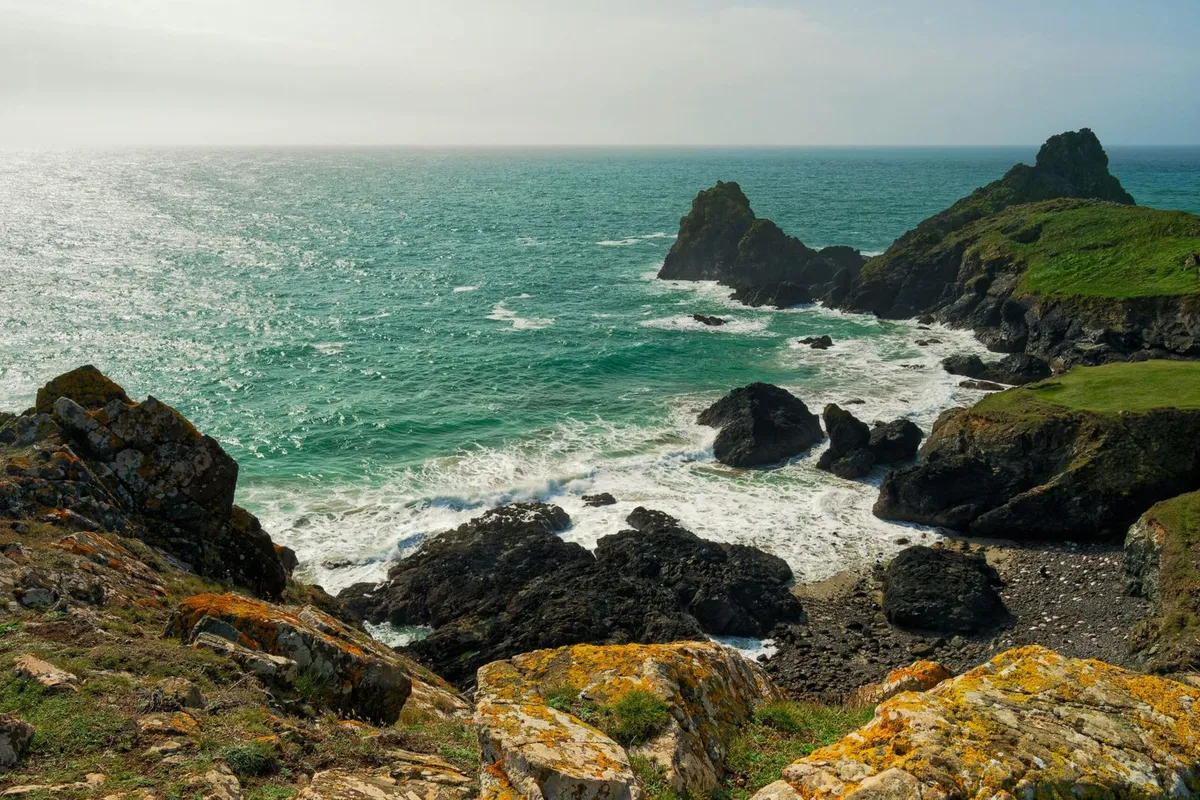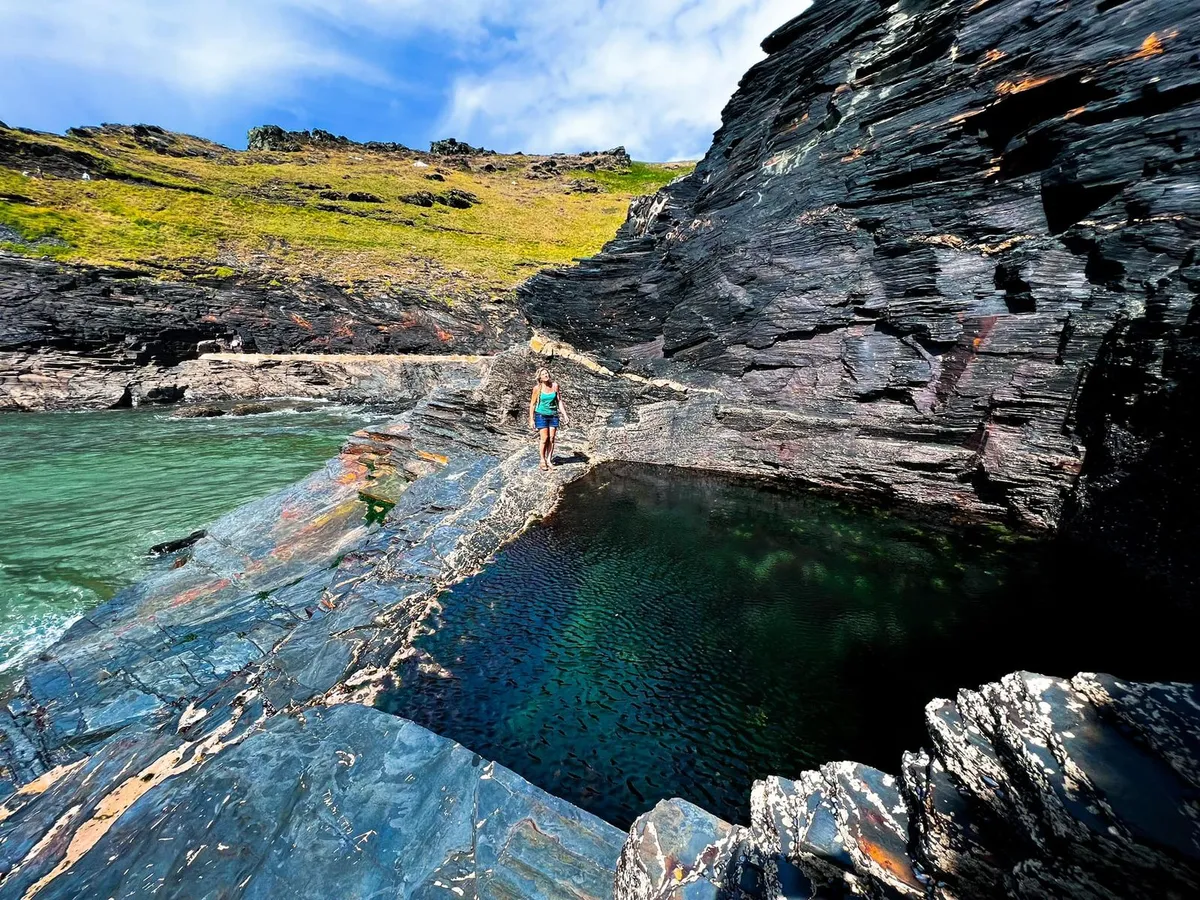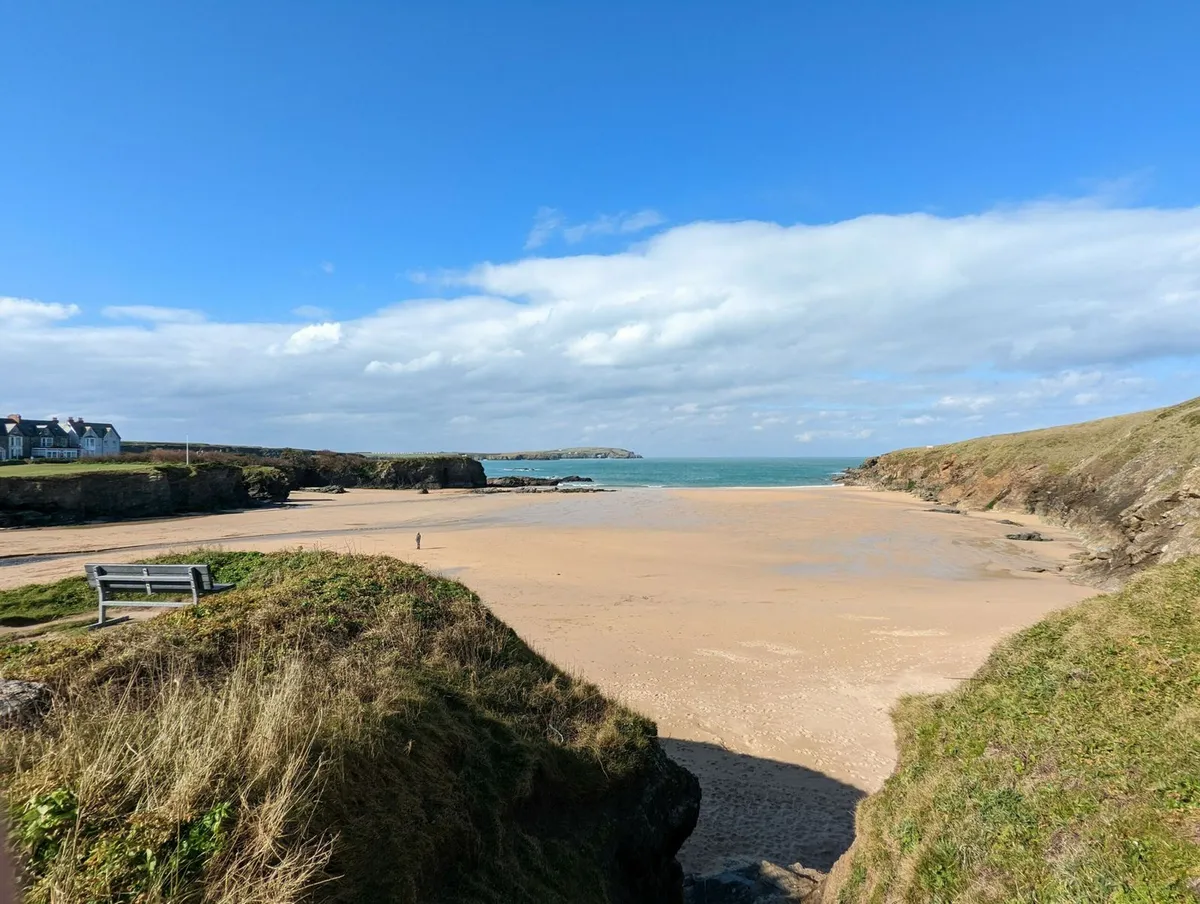
Padstow sits on the western bank of the Camel Estuary, roughly 12 miles north of Newquay. It is a working fishing port with a population of around 3,000 that swells considerably in summer, when the combination of good food, coastal scenery, and easy beach access pulls visitors from across the country. The town earned the nickname “Padstein” decades ago thanks to Rick Stein’s restaurant empire, but there is more to it than seafood - an Elizabethan manor house, one of Cornwall’s best cycling trails, and a coastline with three very different beaches all sit within a few miles of the harbour.
This guide covers what is worth your time in and around Padstow, from the headline restaurants to the activities that justify a stay of several days. For places to stay, see our accommodation guide.
The Harbour
Padstow Harbour is the centre of gravity for the town. Fishing boats and pleasure craft share the inner harbour, and the quayside is lined with fish and chip shops, ice cream sellers, and the occasional gallery. At low tide, the harbour empties to reveal sand and mud; at high tide, it fills with enough water to float the larger boats. The Harbour Master’s Office sits on the South Quay, and from here you can check tide times and boat trip schedules.
A circuit of the harbour takes about 15 minutes on foot. The war memorial on the north side marks the start of the coast path toward Stepper Point, a walk of roughly 2 miles each way with views across the estuary mouth to Pentire Head. On calm days, the water in the estuary is remarkably clear - you can often see fish from the quayside wall.
Rick Stein’s Padstow
Rick and Jill Stein opened The Seafood Restaurant on the harbour in 1975. Half a century later, the Stein name is attached to six venues in Padstow, and the town’s food reputation owes a significant debt to that original investment.
The Seafood Restaurant
The flagship. Head Chef Pete Murt now runs the kitchen, turning out lobster thermidor, turbot hollandaise, and Indonesian seafood curry from a menu that changes with the catch. The restaurant also has 16 rooms upstairs for those who want to roll from dinner to bed without crossing the street. Expect to spend upwards of GBP50 per head for a main course and dessert. Booking well ahead is essential in summer.
Rick Stein’s Cafe
Smaller and less formal than the main restaurant, the Cafe sits on Middle Street and holds a Bib Gourmand in the 2026 Michelin Guide - recognition of good food at reasonable prices. The menu leans toward simpler preparations: grilled fish, curries, and solid breakfasts. It is one of the more affordable Stein venues and takes walk-ins more readily than The Seafood Restaurant.
St Petroc’s Bistro
A bistro in a townhouse just off the harbour, St Petroc’s serves steaks, seafood, and bistro classics. Daily lunch specials are priced at around GBP18. It is less seafood-focused than the main restaurant and suits those who want a relaxed meal without the formality.
Other Stein Venues
Stein’s Fish & Chips on South Quay serves battered cod, haddock, hake, and lemon sole to eat in or take away. The Deli across the road stocks cheeses, wines, and prepared foods. The Cornish Arms in the nearby village of St Merryn is a proper pub with St Austell ales, pub food, and a summer beer garden with wood-fired pizzas.
Rick Stein’s Cookery School
The Cookery School runs day and multi-day courses covering everything from fish preparation to vegetarian cooking. Classes are hands-on, typically capped at around 12 students, and held in a purpose-built kitchen behind the main restaurant. Course prices vary by length and subject. It is a good option for a rainy day or anyone who wants to take skills home rather than souvenirs.
Beyond Stein’s - Where to Eat
Padstow’s food scene now extends well beyond one family’s empire. Two places in particular are worth knowing about.
Paul Ainsworth at No. 6
Paul Ainsworth at No. 6 holds one Michelin star, awarded in 2013 and retained in the 2026 Guide. The restaurant occupies a Georgian townhouse on Middle Street and serves modern British food with Cornish produce at its core. Ainsworth trained under Gordon Ramsay and Marcus Wareing before moving to Cornwall. Expect a tasting menu format with creative touches - this is the town’s fine dining option, and the bill will reflect that. Book well in advance.
Prawn on the Lawn
Rick and Katie Toogood opened Prawn on the Lawn on Duke Street in 2015, bringing the concept from their Islington original. The format is tapas-style seafood small plates - seared tuna, Thai marinated scallops, crispy chilli monkfish - with a menu that changes daily based on what comes off the boats. The fish is sourced sustainably, and the restaurant adds a discretionary GBP1 to every bill in support of the National Lobster Hatchery down on the quay. The sister venue, Little Prawn, operates a few doors along as a test kitchen and seafood bar.
For a wider look at Cornwall’s food scene, see our best restaurants guide.
The Camel Trail
The Camel Trail is a flat, traffic-free cycling and walking route built on a disused railway line that follows the River Camel. The section from Padstow to Wadebridge covers 5.5 miles and takes about 30 to 45 minutes by bike at a comfortable pace. The full trail continues from Wadebridge to Bodmin and on to Wenfordbridge, covering 18 miles in total, but the Padstow to Wadebridge stretch is the most popular and the most scenic - it tracks the estuary, with birdlife on the mudflats and water views most of the way.
Several bike hire shops operate in Padstow. Padstow Cycle Hire on South Quay and Bridge Bike Hire in Wadebridge both rent standard bikes, electric bikes, tandems, and child trailers. Standard adult bike hire typically costs around GBP15-20 for a full day. The trail surface is tarmac and compacted gravel, suitable for road bikes and pushchairs as well as mountain bikes.
The Camel Trail is one of the few flat routes in Cornwall, which makes it genuinely family-friendly. Children who can ride a bike comfortably will manage the Padstow to Wadebridge section without difficulty. Wadebridge has cafes and a pub or two for a stop before riding back.
Prideaux Place
Prideaux Place is an Elizabethan manor house set in grounds that overlook the town and estuary. The Prideaux-Brune family has lived here for over 400 years, and the house contains a collection of paintings, furniture, and artefacts accumulated across those centuries. The interiors include an ornate plaster ceiling in the Great Chamber and a morning room with original Elizabethan panelling.
The house opens for the 2026 season from Easter Monday (6 April) to 9 October, Monday to Friday. Guided tours run five times daily, the first at 11am and the last at 3pm. Adult admission is GBP18.50 for a house tour; grounds-only tickets are GBP5 for adults. The grounds and Terrace Cafe are open 10:30am to 4:30pm. The house closes for Padstow’s May Day celebrations in early May.
The grounds are worth a visit in their own right - a deer park, formal gardens, and views down to the Camel Estuary. Prideaux Place has appeared as a filming location for several period dramas, including adaptations for ITV and the BBC.
Rock, Polzeath, and the Water Taxi
The village of Rock sits directly across the Camel Estuary from Padstow, and the easiest way to get there is by boat. The Black Tor Ferry runs during the day from the harbour - GBP3 each way, contactless only, no booking required. The crossing takes 5 to 10 minutes. In summer (21 July to 31 August), the last ferry from Padstow departs at 7:45pm.
After the day ferry stops, the Wavehunters evening water taxi takes over, running from April to October between 6pm and 11pm. Fares start from GBP7.50 per person. The taxi is a 10-metre catamaran with indoor and outdoor seating, and you can call the skipper on 07778 105297 if the boat is on the other side.
Rock itself is a sailing and watersports centre with a wide sandy beach on the estuary. From Rock, it is about 3 miles by road to Polzeath, one of North Cornwall’s best surf beaches. Polzeath Beach faces the open Atlantic and has consistent waves, surf schools, and lifeguard cover through summer. The combination of a morning in Padstow and an afternoon surfing at Polzeath makes for a solid day out.
Beaches Near Padstow
Padstow does not have its own beach, but three good ones sit within a short drive.
Harlyn Bay
Harlyn Bay is about 3 miles west of Padstow and faces north-east, which means it is sheltered when the prevailing south-westerly winds blow. The beach is sandy with some rocky sections, and the water is generally calmer than the exposed beaches further along the coast. There is a car park directly behind the beach and a seasonal cafe. Lifeguards patrol during summer. Harlyn is one of the most reliable family beaches in the area - when other beaches are blown out, Harlyn is often still swimmable.
Constantine Bay
Constantine Bay sits a mile further west from Harlyn and is a different proposition - a wide, exposed beach with rolling Atlantic surf. It is popular with surfers and bodyboarders, and the Constantine Bay Surf School runs lessons from the beach. The sand here is backed by dunes and a golf course (Trevose Golf Club). The beach is sandy at low tide but the water has strong currents, so swimming is best kept to the lifeguarded zone. Dogs are allowed on a lead during restricted months.
Trevone Bay
Trevone Bay is the closest beach to Padstow - about 2 miles west - and is compact and sheltered. The main beach is sandy with rock pools at low tide, and the Round Hole blowhole on the headland above is worth the short walk. Trevone is less busy than Harlyn and Constantine, partly because the car park is smaller and the access road narrow. It suits families with young children who want a quieter option.
For more options across the county, see our beaches guide.
National Lobster Hatchery
The National Lobster Hatchery sits on South Quay and is part conservation project, part visitor attraction. The hatchery breeds and releases juvenile European lobsters into the wild to support depleted populations along the Cornish coast. Visitors can see the tanks where tiny lobsters grow before release, learn about marine conservation, and (the part children remember) adopt a lobster.
The hatchery is open daily, typically 10am to 4pm, year-round except for a few weeks in January for maintenance. Dogs are welcome. A visit takes about 30 to 45 minutes. It is a low-key attraction but a genuinely interesting one, and it pairs well with a walk along the harbour.
The Obby Oss Festival
Padstow’s May Day celebration is one of the oldest and most distinctive folk festivals in Britain. Every 1 May, two hobby horses - the Old Oss and the Blue Ribbon Oss - are paraded through the streets in separate processions that take 12 hours to complete. The festivities begin at midnight on 30 April, when townspeople gather outside the Golden Lion Inn to sing the Night Song. By morning, the town is decorated with greenery and flowers around the maypole.
The Osses themselves are wooden frames covered in black oilskin, each weighing around 100 pounds. Only residents with family roots in Padstow going back at least two generations are permitted to wear the Oss or join the official procession. The event regularly draws crowds of up to 30,000 people into a town built for a fraction of that number. Accommodation books out months in advance, and the streets become impassable for much of the day.
The Blue Ribbon Oss dates from the Victorian era, when temperance campaigners established a rival procession to the original Old Oss. Both still dance the streets and only meet at the maypole at the end of the day. If you are visiting in late April or early May, be aware that Padstow effectively shuts down to traffic on 1 May. It is worth seeing at least once, but plan your logistics carefully.
Boat Trips
Several operators run boat trips from Padstow Harbour between spring and autumn. The most popular excursions are:
Seal and wildlife watching - Trips head out of the estuary mouth toward the coast between Stepper Point and Trevose Head, where grey seal colonies haul out on the rocks. Most trips last 60 to 90 minutes.
Fishing trips - Half-day mackerel fishing runs during summer, typically departing in the morning or early afternoon. Equipment is provided. Expect to pay around GBP25-35 per person for a half-day trip.
Speed boat tours - Faster RIB-style trips cover more coastline and often include caves and coves that slower boats cannot reach. These tend to run from spring through September.
Check departure boards on the quayside for the day’s schedule, which depends on tides and weather. Most operators also list trips on their websites.
Tarquin’s Gin Distillery
Tarquin’s Gin is distilled about halfway between Padstow and Wadebridge, and the distillery runs tours and tastings. Tarquin Leadbetter started the operation after returning to Cornwall, and the brand has won multiple international awards. Distillery tours typically last about an hour and include a guided tasting of several gins. Booking in advance is recommended, especially in summer. The distillery shop stocks the full range, including limited editions not available elsewhere.
Practical Tips
Parking - The main car park is on the harbour (around 400 spaces). A second overflow car park sits on the edge of town. Both charge by the hour, with rates increasing during peak season. Arriving before 10am in summer is wise.
Getting around - Padstow is small enough to walk everywhere. The harbour, restaurants, and shops all sit within a few hundred metres of each other. The Camel Trail starts at the south end of the harbour.
Best time to visit - May, June, and September offer warm weather, open attractions, and noticeably fewer crowds than July and August. The Obby Oss festival falls on 1 May every year. October is quieter still, with most restaurants remaining open.
Rainy day options - Rick Stein’s Cookery School, the National Lobster Hatchery, and Prideaux Place (when open) all work in wet weather. The Deli and various galleries on the harbour also provide shelter with purpose.