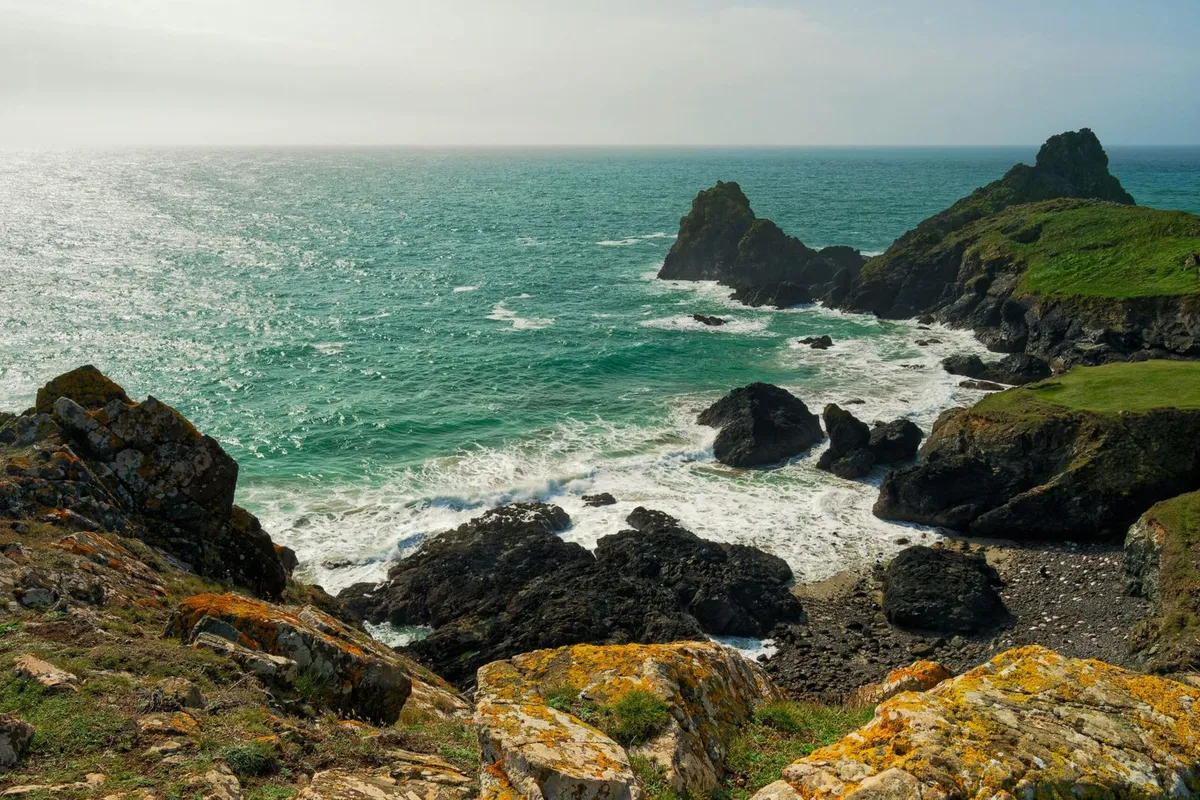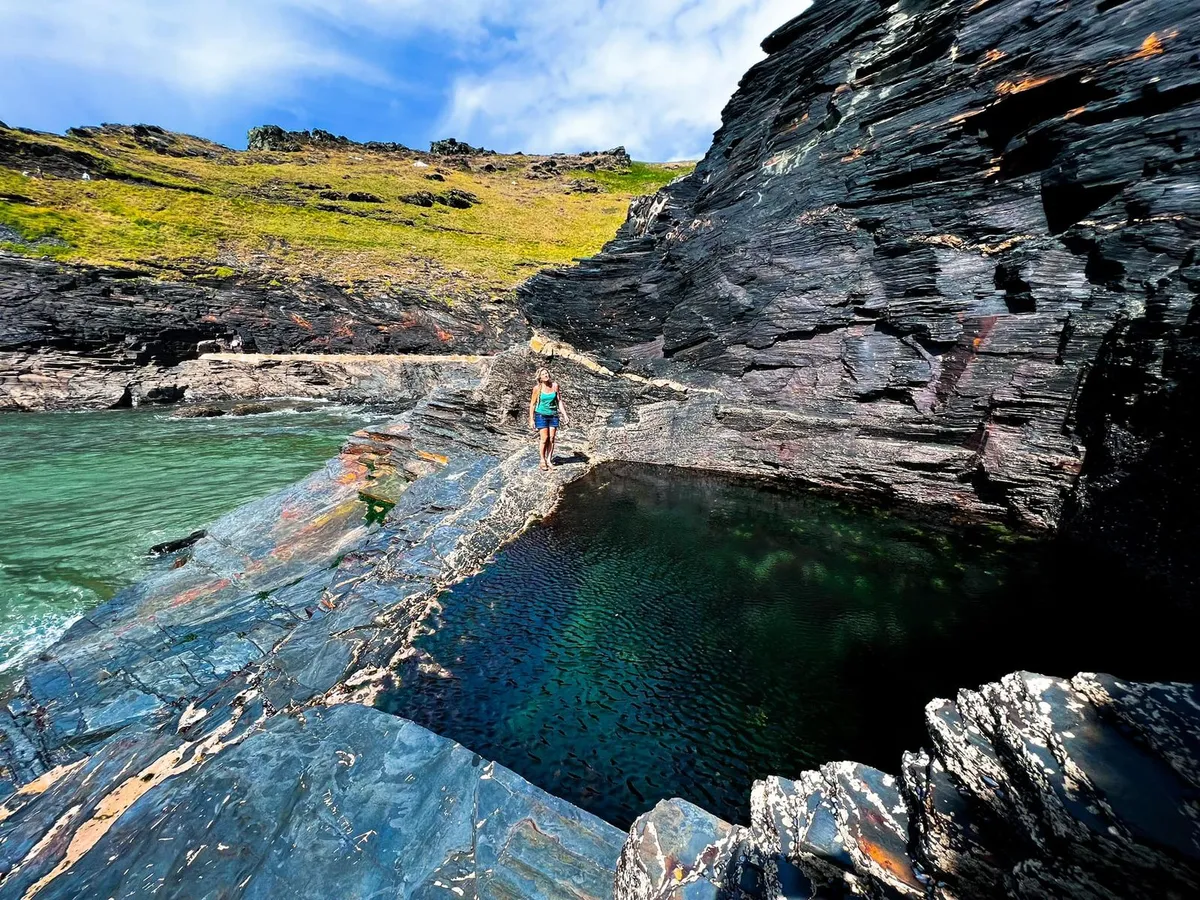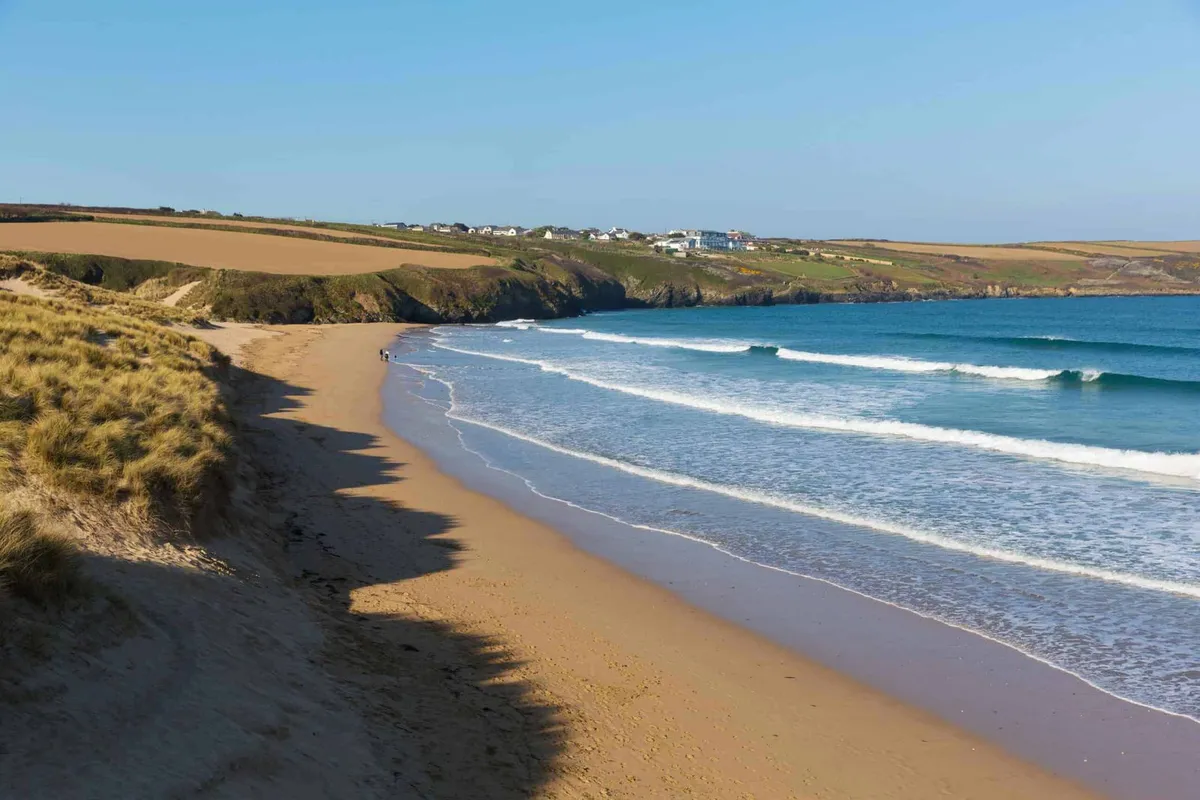
Cornwall has a reputation for being expensive, and it is true that a harbourside cottage in St Ives in August will not come cheap. But the county also has more free things to do than almost anywhere in England. Every beach costs nothing to visit. The 630-mile South West Coast Path is free to walk. Many of the best experiences - rock pooling, seal watching, exploring fishing villages - require nothing more than a pair of shoes and some curiosity.
This guide covers practical ways to keep costs down without missing out on what makes Cornwall worth visiting.
Free Beaches - All of Them
Every beach in Cornwall is free to access. There are over 300, from vast surfing beaches like Fistral and Perranporth to tiny coves you might have to yourself. No entry fees, no roped-off VIP sections, no charges for swimming.
The cost comes from parking. Beach car parks in summer can charge £8-12 per day at popular spots. Here is how to avoid that:
- Walk in. Beaches within walking distance of towns - like Porthmeor and Porthminster in St Ives, or Gyllyngvase in Falmouth - need no car park.
- National Trust car parks. If you are a National Trust member, parking is free at sites like Godrevy, Kynance Cove, and Bedruthan Steps. A family membership pays for itself within a few visits.
- Arrive early or late. Many car parks are free before 9am or after 5pm. Evening beach visits in summer - when the light is golden and the crowds thin - are often the best anyway.
- Use public transport. The branch line train runs directly to St Ives and Carbis Bay beach. Buses serve many coastal villages.
Some of the best beaches are the least busy, partly because they require a walk to reach them. Lantic Bay near Fowey involves a 20-minute walk down a steep path, which keeps the crowds away. Nanjizal near Land’s End requires a mile of coast path walking. The reward is space, quiet, and no parking charges.
Free Attractions and Activities
The South West Coast Path
The 630-mile South West Coast Path runs the entire Cornish coastline and costs nothing to walk. You do not need to tackle long sections - even a 2-mile stretch delivers cliff views, wildflowers in spring, and the kind of scenery that makes you forget you are in England. The Cornish section alone covers approximately 288 miles.
Some of the best short walks include Lizard Point to Kynance Cove (about 3 miles return), Sennen to Land’s End (1.5 miles one way), and the Pentire Head circular from Polzeath (3.5 miles). Read our full guide to coast path walks in Cornwall for more options.
Engine Houses and Mining Heritage
Cornwall’s tin and copper mining landscape is a UNESCO World Heritage Site. The ruins of engine houses dot the clifftops along the north coast, particularly between Porthtowan and St Agnes. Walking among them costs nothing.
The stretch of coast between Wheal Coates engine house above Chapel Porth and St Agnes Head is one of the most photographed walks in Cornwall - entirely free. Geevor Tin Mine near Pendeen charges admission for the museum, but you can view the buildings and coastal landscape from the path for free.
Rock Pooling
Dozens of Cornish beaches have excellent rock pools exposed at low tide. All you need is a bucket, a willingness to get your feet wet, and a basic identification guide (free apps work fine). Children can spend hours hunting for crabs, anemones, shrimp, and small fish.
The best rock pooling beaches include Crooklets in Bude, Trevaunance Cove at St Agnes, Hannafore near Looe, and the pools around Godrevy. Check tide times before you go - the best pools emerge at low spring tides.
Seal Watching
Grey seals live around the Cornish coast year-round, and watching them from the clifftops is free. The most reliable spot is Mutton Cove at Godrevy Head, where over 100 seals haul out on the beach during winter months. Walk 5 minutes from the National Trust car park and look down from the cliff path.
Other good spots include the cliffs near Polzeath, the coast path around the Lizard, and Porthgwarra near Land’s End. September to January is pupping season, when mothers and pups are visible from the path. Keep your distance and keep dogs on leads near seal colonies.
Harbour Villages
Some of Cornwall’s most enjoyable hours cost nothing at all. Walking the harbour walls of Mousehole, watching fishing boats unload in Mevagissey, or exploring the narrow lanes of Port Isaac (known as Port Wen in Doc Martin) is free.
Charlestown has a working harbour with tall ships moored in the dock - free to view from the harbour wall. Boscastle has a dramatic natural harbour carved into the cliffs. Fowey has a waterfront where you can watch the river traffic without spending anything.
Falmouth Art Gallery
One of the best free cultural attractions in Cornwall. Falmouth Art Gallery has a permanent collection that includes Pre-Raphaelite works and Cornish artists, plus rotating exhibitions throughout the year. Open Monday to Saturday, free entry, right in the centre of Falmouth.
Bodmin Moor Walks
Bodmin Moor covers 80 square miles of open moorland in the heart of Cornwall. Walking is free, and the landscape - granite tors, ancient stone circles, wild ponies - feels genuinely remote despite being within 20 minutes of the A30. Rough Tor and Brown Willy (Cornwall’s highest point at 420 metres) are both accessible from free car parks near Camelford.
Budget Accommodation
Camping
Camping is the cheapest way to stay in Cornwall. Budget campsites start from around £10-15 per night for a basic tent pitch. Even well-equipped sites with shower blocks and sea views charge £20-30 per night in peak season - a fraction of cottage prices.
Some of the best-value sites are smaller, family-run farms near the coast. Pitchup.com lists Cornwall campsites from as low as £9 per night. Book early for popular coastal sites in July and August.
For something more comfortable, glamping options - bell tents, yurts, shepherd’s huts - typically cost £60-100 per night. More than camping but still cheaper than most cottages, and you do not need to bring any equipment. Our guide to camping and glamping in Cornwall covers the options in detail.
Hostels
YHA has hostels in several prime Cornwall locations including Treyarnon Bay near Padstow, Coverack on the Lizard, and Boscastle. Dorm beds typically start around £20-30 per night, and many hostels have private rooms from £50-70 per night. Most have self-catering kitchens, which saves further on food costs.
Off-Season Cottage Deals
Cottages that cost £1,200 per week in August can drop to £500-700 per week between October and March. That is genuine value for a warm, equipped property with a proper kitchen and lounge. Winter short breaks of 3-4 nights bring costs down further.
Last-minute availability appears regularly on our places to stay page. Gaps between bookings, cancellations, and quieter shoulder weeks all create opportunities for good deals.
Cheap Eats
Pasties
A proper Cornish pasty costs £4-6 from a good bakery and constitutes a full meal. Every town has at least one bakery, and many villages do too. In Padstow, Choughs Bakery on the Strand is excellent. Philps in Hayle has a loyal following. Ann’s Pasties operates across several north coast locations. Avoid the mass-produced versions in tourist-trap shops - the difference in quality is noticeable.
Fish and Chips
Harbour-side fish and chips is a Cornwall tradition. A generous portion costs £8-12, less than a restaurant main course and often better. Our guide to the best fish and chips in Cornwall covers the top options. Eat on the harbour wall rather than paying extra for a restaurant seat.
Pub Meals
A pub lunch in Cornwall typically costs £10-15 for a main course. Many pubs serve generous portions of local food - fish pie, steak and ale pie, crab sandwiches. Country pubs away from tourist hotspots tend to be cheaper. The best pubs in Cornwall include several with excellent value food.
Self-Catering
The biggest money saver of all. Cook at least half your meals in your cottage or on a camping stove. Cornwall has Lidl stores in Newquay, Truro, Penzance, Camborne, and Bodmin, plus Aldi in several locations. For local produce, farm shops and fishmongers at harbours offer good value - fresh mackerel from a harbour fishmonger costs a few pounds and feeds two.
Farmers’ markets run weekly in most towns. Truro has one of the best on Wednesdays and Saturdays. Buy bread, cheese, and local veg and put together picnic lunches instead of buying cafe sandwiches at £6-8 each.
Transport Savings
Bus Day Tickets
The Cornwall All Day bus ticket costs £9 for adults and £5 for under 19s, giving unlimited travel on any operator’s buses across the county. A family day ticket covering 2 adults and up to 4 children costs £10 - remarkable value. Weekly tickets are £20 per adult.
Buses serve most of Cornwall’s coastal towns and many villages. The Atlantic Coaster route along the north coast between Newquay and Padstow passes several beaches. The Land’s End Coaster runs from Penzance along the south coast.
Branch Line Trains
The St Ives branch line from St Erth is one of the most scenic short railway journeys in England, running along the coast past Carbis Bay beach. It also solves the St Ives parking problem. The Maritime Line runs from Truro to Falmouth through wooded creeks.
A return fare on these branch lines is cheaper than a day’s parking in either town. Railcards (Family & Friends, Two Together, 16-25) offer a third off.
Drive Less
Fuel and parking are two of the biggest Cornwall holiday expenses. Pick a well-located base and walk or bus to activities rather than driving everywhere. A cottage in Falmouth town centre, for example, lets you walk to 3 beaches, dozens of restaurants, Pendennis Castle, and the National Maritime Museum without starting the car.
Off-Season Savings
The single biggest way to save money on a Cornwall holiday is to visit outside July and August. Here is what you gain:
- Accommodation: Cottage prices drop 30-50% in shoulder season (May, June, September) and up to 50% or more in winter (October to March).
- Parking: Beach car parks are quieter, and some are free or reduced outside peak months.
- Beaches: The beaches are the same beaches, just with fewer people on them. September sea temperatures are actually warmer than June after a summer of warming.
- Atmosphere: Cornwall has a different character in the quieter months. Fishing villages return to their working rhythms. Pubs are full of locals. The coast path is almost empty.
The trade-off is weather, which is less predictable outside summer. But Cornwall’s maritime climate means it rarely gets properly cold - January averages around 8-9C. Rain is more frequent, but a good waterproof jacket and a cottage with a wood burner make that part of the experience rather than a problem.
Month-by-Month Guide
- May: Wildflowers on the coast path, longer days, most attractions open. Prices 20-30% below peak.
- June: Often the driest month. Pre-school-holiday pricing. The best balance of weather and value.
- September: Warmest sea temperatures, thinning crowds, harvest festivals. Prices drop after the first week.
- October: Half-term brings a brief price spike, but otherwise excellent value. Autumn colours on Bodmin Moor.
- November to February: The cheapest months. Dramatic storms for watching from clifftops. Christmas markets in Truro, Padstow, and Mousehole (where the harbour lights are famous). Seal pupping season at Godrevy.
- March and April: Spring arrives early in Cornwall. Daffodils, lambs, warming temperatures. Easter week is pricier but the weeks either side are good value.
A Sample Budget Day in Cornwall
Here is what a day out in Cornwall can cost for a couple:
- Morning: Walk a section of the coast path from Sennen Cove to Land’s End. Free.
- Lunch: Pasty from a bakery in Sennen village, eaten on the beach. £10 for two.
- Afternoon: Drive to Porthcurno for a swim, then walk to Porthgwarra. Parking £5.
- Evening: Cook mackerel bought from a fishmonger, with salad from a farm shop. £8.
- Total: £23 for two people.
That is a full day of coast path walking, two beaches, a swim in clear water, and fresh local food. Cornwall does not have to be expensive. The best parts of it are free.
Practical Tips Summary
- Visit outside July and August for the biggest savings.
- Get a National Trust membership if visiting multiple coastal sites - it pays for itself in parking alone.
- Self-cater most meals and buy from local markets and fishmongers.
- Use the £9 bus day ticket instead of driving and paying for parking.
- Walk to beaches from your base rather than driving to a new car park each day.
- Book accommodation early for the best choice at any price point.
- Check our places to stay for last-minute deals and short break availability.
Cornwall rewards planning and flexibility. Come at the right time, stay in the right place, and you will spend less than you expect while doing more than you imagined.