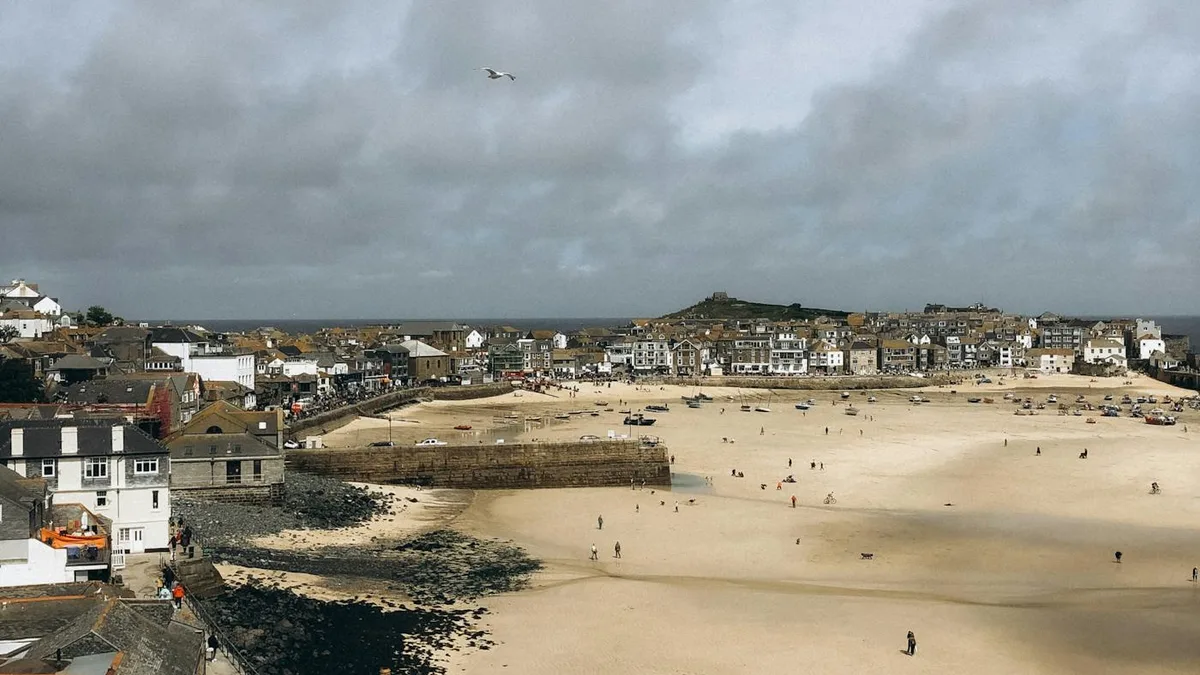
Newquay is Cornwall’s largest resort town, spread across a headland with 11 beaches within walking distance of the centre. It draws surfers, families, and stag parties in roughly equal measure — and somehow manages to cater to all three. The town runs on tourism, which means the infrastructure is solid: regular trains from London Paddington (around 5 hours), a small airport with seasonal flights, and enough car parks to absorb the summer influx.
This guide covers what’s actually worth doing here, from the headline beaches to the lesser-known attractions that justify staying more than a weekend.
The Beaches
Newquay’s beaches are the main draw, and each one has a distinct character. You could spend a week here and swim at a different beach every day.
Fistral Beach
Fistral is the one everyone knows. It faces the full Atlantic swell, which makes it one of the most consistent surf breaks in the UK. The beach runs about 750 metres between two headlands, with a large car park at the south end (expect to pay around GBP5-8 in summer). The Boardmasters music festival takes over the headland each August. Outside of competition days, the north end tends to be quieter than the south, where the surf schools cluster.
Fistral is not a great swimming beach for young children — the waves and rip currents demand respect. But for surfers and bodyboarders, it’s the reason Newquay exists on the map.
Watergate Bay
Watergate Bay sits two miles north of Newquay and feels like a different world. The beach stretches over half a mile of firm sand, backed by dark cliffs rather than buildings. Jamie Oliver’s Fifteen restaurant (now The Watergate Bay Hotel’s restaurant) put it on the foodie map, and the Extreme Academy runs everything from surfing to kiteboarding and waveski sessions.
At low tide, the beach is enormous — wide enough for land-yachting. The car park sits right above the sand, and the walk down is short and manageable with pushchairs.
Towan Beach
Towan Beach is Newquay’s town beach, directly below the centre. A suspension bridge connects the headland to a small tidal island — the one with the private house on top that appears in every Newquay photo. The beach is sheltered, relatively small, and lifeguarded through the summer months. Good for families with younger children who want sand and sea without a long walk from town.
Great Western Beach
Great Western Beach sits just west of Towan, accessible by a flight of steps from the cliff top. It’s sandwiched between rock outcrops and catches less wind than Fistral, making it a solid choice on blowy days. The beach gets its name from the old Great Western Railway, which brought the first tourists to Newquay in the 1870s. At low tide you can walk through to Towan Beach.
Lusty Glaze
Lusty Glaze is a privately managed cove reached by 133 steps cut into the cliff. The beach bar and restaurant operate year-round, and the cove hosts live music events through the summer. It’s compact — maybe 100 metres across — but the sheltered aspect and south-west facing position make it one of the warmest spots in Newquay. The team here also run coasteering and surfing sessions directly from the beach.
Surfing
Newquay is where British surfing started, and the industry here is mature. You won’t struggle to find a lesson or hire a board.
Surf Schools
The British Surfing Association lists over a dozen approved surf schools in the Newquay area. A two-hour group lesson typically costs GBP30-40 per person and includes wetsuit and board. Most schools operate from Fistral or Towan Beach. The Newquay Activity Centre on Fore Street has been running for over 20 years and is one of the longest-established operators.
For improvers, Watergate Bay’s Extreme Academy offers progression sessions and specialist disciplines like stand-up paddleboarding and bodyboarding technique.
Board and Wetsuit Hire
If you already know what you’re doing, board hire runs about GBP10-15 per day from shops along Fore Street and Tower Road. Most hire places stock soft-tops for beginners through to performance shortboards. Wetsuits hire separately for around GBP5-10, or you can get a board-and-suit combo deal.
Water temperatures range from about 9°C in February to 17°C in August — you’ll want a 4/3mm wetsuit most of the year, dropping to a 3/2mm in late summer.
Newquay Zoo
Newquay Zoo is set across 13 acres on the edge of town and is open every day except Christmas Day, opening at 10:00. Under new ownership by Dutch leisure company Libéma since January 2026, the zoo houses around 993 animals across 36 species, including red pandas, penguins, lemurs, meerkats, and otters. Libéma has announced investment plans that include new species such as giraffes and upgraded habitats.
The zoo runs daily keeper talks, a dragon maze, and a seasonal programme of events. It’s a solid half-day activity — most families spend 2-3 hours here. The site is hilly, so bring comfortable shoes.
Blue Reef Aquarium
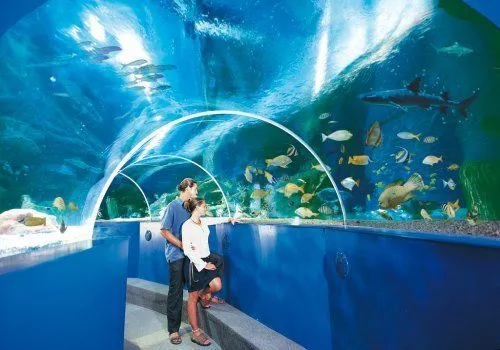
The Blue Reef Aquarium sits on Towan Promenade, right in the centre of town with Towan Beach on its doorstep. More than 40 displays cover marine life from Cornish rockpool species to tropical reef fish, with an underwater tunnel through the main ocean tank. Regular feeding displays, rockpool workshops, and keeper talks run throughout the day.
It’s entirely indoors, which makes it a reliable option on rainy days. Opening times vary seasonally — check their website on the day, as hours can shift. Allow about 90 minutes for a full visit.
Coasteering
If you want to get properly soaked and out of your comfort zone, coasteering is the Newquay activity that delivers. Sessions involve scrambling along sea cliffs, jumping into deep water from ledges (heights typically range from 2 to 10 metres, your choice), and swimming through caves and channels.
Several established operators run sessions from the Newquay coastline. Newquay Activity Centre on Fore Street has been going for over 20 years. Bare Feet Coasteer, established in 2011, holds the top TripAdvisor ranking for outdoor activities in the area and includes GoPro photos with every session. Cornish Wave has accumulated over 2,500 five-star reviews and runs small-group sessions.
Sessions typically last 2-3 hours, cost GBP40-55 per person, and include all equipment. Minimum age is usually eight, though some operators take children as young as six. You don’t need to be a strong swimmer, but you do need to be comfortable in open water.
The Harbour
Newquay Harbour is where the town started — long before the surfers arrived, this was a pilchard fishing port. The old harbour sits in a sheltered cove on the east side of the headland, and the Huer’s Hut on the cliff above is where a lookout once watched for pilchard shoals and called the boats out.
Today the harbour is a working fishing port on a small scale. A handful of boats run fishing trips from the quay, and you can sometimes buy fresh catch directly from the boats. The harbour wall is a good spot for crabbing with kids. The Harbour Tavern overlooks the water and serves decent pub food.
The South West Coast Path passes right through — you can walk from the harbour along the headland to Fistral in about 20 minutes, with views down to each beach along the way.
Lappa Valley Steam Railway
Lappa Valley is a family attraction set in a wooded valley about three miles east of Newquay. The centrepiece is a narrow-gauge steam railway (15-inch gauge) that runs through the valley, but the site has expanded well beyond trains. You’ll find a 12-hole adventure golf course, disc golf, pedal boats on the lake, a toddler maze, trampolines, woodland walks, and The Engine Shed — a multi-level indoor soft play area with a cafe.
The railway operates daily from late March through early October, with weekend openings through much of the winter. A 2026 Grand Gala Weekend promises visiting engines and expanded services. It’s a genuine half-day out, especially with younger children.
Trerice
Three miles east of Newquay, Trerice is an Elizabethan manor house managed by the National Trust. The house dates from the 1570s and is small enough to feel intimate rather than overwhelming — notable features include ornate plasterwork ceilings, a collection of longcase clocks, and an enormous oak table.
Outside, there’s a knot garden, cottage borders, and a lawn where you can try Cornish kayles — a traditional bowling game played here since the Tudor period. Kids can hunt for carved mice hidden around the house or try on Tudor-inspired costumes in the hayloft. Cream teas are served in the tearoom, and there’s a second-hand bookshop in the Undercroft.
Trerice works well as a contrast to Newquay’s beach-and-surf energy — a quiet afternoon away from the crowds.
Eating and Drinking
Newquay has more restaurants per square mile than most Cornish towns, ranging from fish and chip shops on the harbour to waterfront restaurants with tasting menus. Rather than list them all here, we’ve covered the dining scene in detail in our guide to Newquay’s best beach bars for a sunset drink. For broader Cornwall dining, see our fine dining guide.
A few quick notes: the Fish House on Fore Street does good fish and chips with harbour views. The Boathouse on South Quay Hill serves local seafood. For coffee, Pavilion Bakery on Bank Street is worth a stop.
Nightlife
Newquay has the liveliest after-dark scene in Cornwall — no other town comes close for volume. The strip along East Street and Tower Road has bars, clubs, and late-night venues shoulder to shoulder. It draws a young crowd, especially on summer weekends and bank holidays.
If you’re after something more relaxed, the clifftop bars offer drinks with a view rather than a DJ. Our beach bars guide covers the best options for a quieter evening out.
Practical Information
Getting There
Newquay has its own train station on a branch line from Par, connecting to the main London Paddington line. Direct Great Western Railway services run in summer. Cornwall Airport Newquay, four miles from town, has seasonal flights from London, Manchester, Edinburgh, and other UK cities.
By car, Newquay is about 20 miles from the A30 via the A392. The drive from Exeter takes roughly two hours.
Parking
Parking in Newquay can be a challenge in summer. The main car parks are at Fistral (south end), Towan Beach (Berry Road), and the town centre (Manor Road and Bank Street). Most charge GBP5-8 per day in peak season. The Park and Ride service from the edge of town runs during the busiest summer weeks — worth using if you’re visiting in late July or August.
Arrive before 10:00 in summer to have a realistic choice of spots at beach car parks.
Getting Around
Central Newquay is walkable — most beaches, shops, and restaurants sit within a 15-minute walk of each other. For Watergate Bay, Holywell Bay, or Lappa Valley, you’ll need a car, taxi, or the local bus service. The Atlantic Coaster bus runs along the coast to Padstow during summer months.
Best Time to Visit
May to June brings the best combination of warm weather, long days, and manageable crowds. The sea is still cold (around 12-14°C), but the beaches aren’t packed.
September is the sweet spot for surfing — the Atlantic swells pick up as the summer tourists leave. Water temperatures peak in late August and September at around 16-17°C.
July and August are school holidays: expect full car parks, higher prices, and queues at popular attractions. Book accommodation months ahead if you’re visiting in peak season.
Winter has its own appeal — dramatic storms rolling in off the Atlantic, empty beaches, and lower prices. Many attractions close or reduce hours from November to March, but the town itself stays open year-round.